

Latest
  • visit www.artsghana.net for information on the arts
  • visit www.artsghana.net for information on the arts

Arts Ghana

MENU
  • Home
  • About Us
  • Upcoming Events
  • Latest News
  • Artistes Database
  • Archives
  • Links
  • Contact Us
  • Music
  • Dance
  • Theatre
  • Literature
  • Visual Arts
  • Film
  • Fashion
  • You Tube
  • Facebook
  • April 28, 2026 • 197

    Festival reaffirms Togo as a jazz hub

  • April 24, 2026 • 311

    Music shaped by ancestry, improvisation, and transcendence

  • April 23, 2026 • 279

    Brass bands showcase tradition and experimentation

  • April 21, 2026 • 202

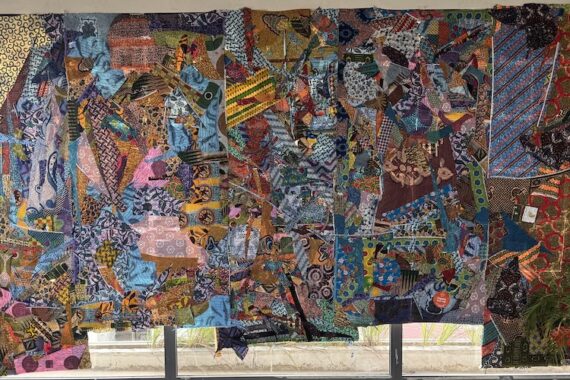
    Set design mirrors dynamism of contemporary African performance

  • April 17, 2026 • 241

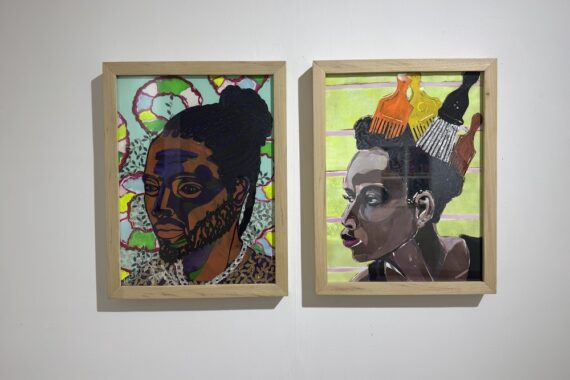
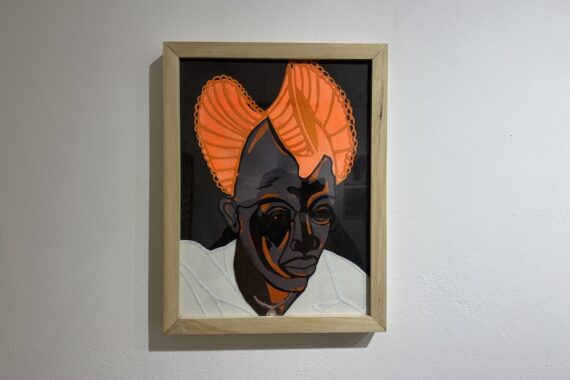
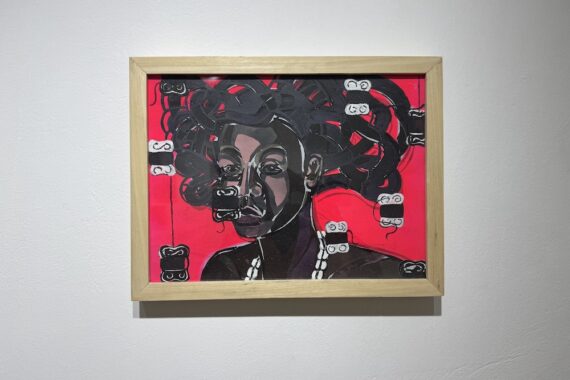
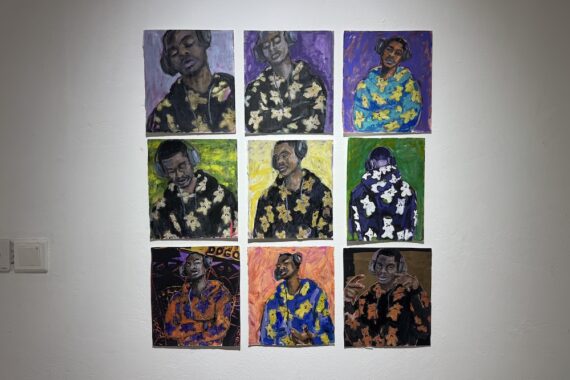
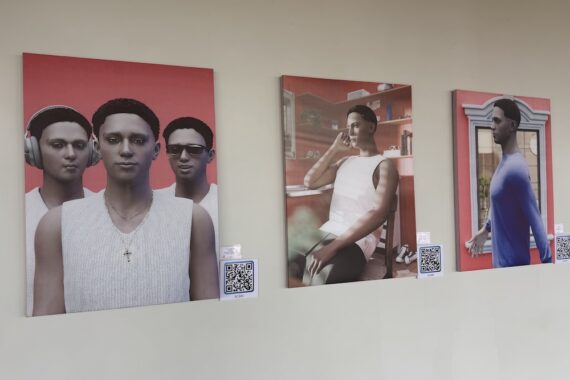
    Shifting portraits of the complexities of male identity

  • April 17, 2026 • 229

    Rhythmic footwork and grounded movements

  • April 16, 2026 • 540

    Raw physicality with spiritual introspection  

  • April 16, 2026 • 275

    Imposition, interruption, and provocation by LED screen

  • April 15, 2026 • 179

    Sonic meditation on tradition and transformation

  • April 15, 2026 • 299

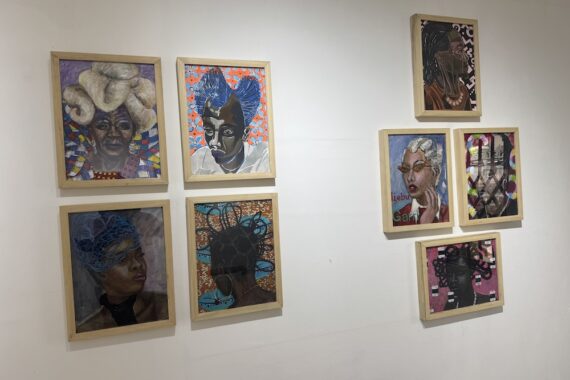
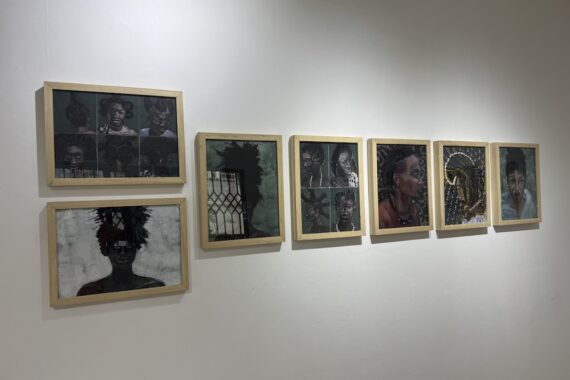
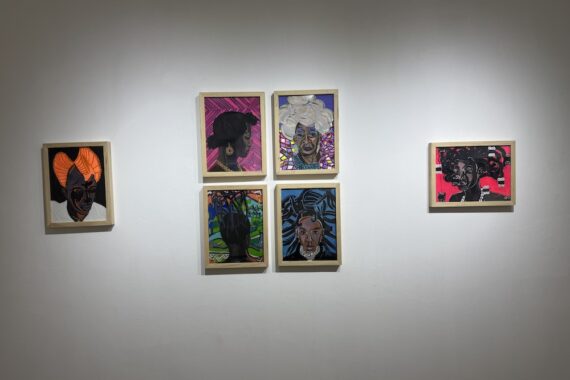
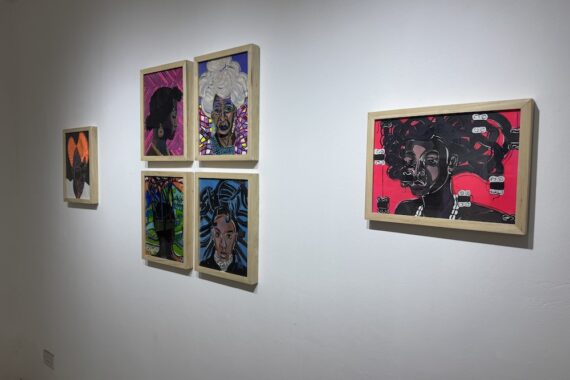
    Subtle exposure of constraints that shape female identity

  • Dancer decries barriers to artists’ mobility

    April 15, 2026 • FeaturedArticle, News • 162

    By John Owoo

    (Abidjan – Côte d’Ivoire)

    Egyptian dancer and choreographer Mounir Saeed delivered a riveting solo performance last night, captivating the audience with a deeply political, emotionally charged exploration of the barriers artists from the Global South face. 

    Presented to a group of dance enthusiasts and fellow practitioners at the Salle Kodjo Ebouclé (Palais de la Culture) as part of the Market for Performing Arts 2026, the piece transformed personal frustration into a universal narrative on mobility, inequality, and artistic freedom.

    Minimalist in staging yet powerful in impact, the performance relied on a striking interplay of movement, text, and sound. A screen positioned prominently onstage displayed excerpts in both Arabic and English—phrases many artists know all too well.

    These were paired with recorded voices, calm yet cutting, reciting the often arbitrary reasons Western consulates give for visa refusals. The effect was chilling: bureaucratic language stripped bare, revealing the systemic barriers hidden beneath administrative procedures.

    Through a carefully constructed movement lexicon, the performer oscillated between restraint and intensity. Subtle gestures—hesitations, pauses, repeated attempts to move forward—evoked the psychological toll of rejection. These moments were punctuated by bursts of forceful, expansive motion, suggesting resistance and resilience. The body became a site of tension, caught between aspiration and restriction.

    What made the work particularly compelling was its ability to translate a highly specific issue into a broadly resonant experience. The repeated phrases—“You will not return to your country,” “You do not have sufficient funds,” “You lack social ties”—echoed throughout the space, underscoring the dehumanizing nature of these assessments. In doing so, the performance highlighted not only the personal cost to artists but also the broader implications for cultural exchange and global artistic dialogue.

    The audience responded with attentive silence, then sustained applause, signaling both appreciation and reflection. In an era when mobility remains deeply unequal, this performance is a timely and necessary intervention. It challenges audiences to reconsider the invisible barriers that determine who gets to be seen, heard, and celebrated on international stages.

    Ultimately, the piece was not merely a dance performance but a poignant act of testimony—one that lingered long after the final movement.

    Read More »
  • Political choreography confronts silence

    April 14, 2026 • FeaturedArticle, News • 361

    By John Owoo

    (Abidjan – Côte d’Ivoire)

    Burundian choreographer Josué Mugisha delivers a strikingly urgent performance that transforms the stage into a site of memory, resistance, and collective reckoning in a piece titled La Première Danse Politique.

    Rooted in the political crises that have shaped Burundi’s recent history, this dance drama, which was performed at the 2026 edition of the Market for Performing Arts Festival, does not merely recount events—it embodies them, turning movement into a potent language of protest and healing.

    From the outset, the choreography establishes a tense atmosphere in which silence feels as heavy as the histories it seeks to uncover. Mugisha’s work draws deeply from postcolonial memory, confronting the long-standing culture of repression and unspoken trauma. The dancers move with a deliberate intensity, their gestures oscillating between fragility and force, as though negotiating the weight of inherited pain and the urgency of release.

    What distinguishes this performance is its seamless merging of the political and the spiritual. The invocation of the sacred—referred to as ibanga—is not symbolic alone; it becomes an active force within the choreography. Ritualistic sequences unfold with hypnotic precision, suggesting that healing is not only necessary but communal. The performers’ bodies become vessels through which stories of suffering, resilience, and hope are transmitted.

    Mugisha resists linear storytelling, opting instead for a fragmented structure that mirrors the gaps and silences in Burundi’s historical narrative. This choice proves effective, as it invites the audience to engage critically, piecing together meaning from movement rather than relying on explicit exposition. The stage becomes an archive of the unsaid, where absence speaks as loudly as presence.

    Visually, the piece is restrained yet evocative. Minimalist staging allows the choreography to take precedence, while subtle shifts in rhythm and spatial dynamics maintain a compelling tension throughout. The dancers’ physical commitment is notable; the performance is raw and unflinching, carrying an emotional charge that resonates beyond the confines of the theatre.

    At its core, La Première Danse Politique functions as both an artistic manifesto and a call to action. It challenges the audience to confront uncomfortable truths and to acknowledge the necessity of collective healing in the aftermath of political violence. Mugisha’s work underscores the power of dance not only as an aesthetic practice but as a tool for social commentary and transformation.

    In reimagining the “blanks” of history, this performance asserts that silence is no longer an option. Through movement, Mugisha and his ensemble reclaim narrative agency, offering a poignant reminder that the body can speak where words have long failed.

    Read More »
  • Restrained and deliberate movement vocabulary

    April 14, 2026 • FeaturedArticle, News • 347

    By John Owoo

    (Abidjan – Côte d’Ivoire)

    At once intimate and politically resonant, Unravel, conceived and performed by Ethiopian dancer Elsa “Zema” Mulder and featuring original music by Cheikh Ibrahim Thiam, unfolds as a poignant meditation on international adoption and the fragile threads of identity it weaves and unravels.

    During a magical performance at Salle Kojo Ebouclé (Palais de la Culture), as part of the ongoing Market for African Performing Arts Festival, Mulder draws the audience into a quiet, almost ritualistic space as they perch and cling to their seats.

    Inspired by the Ethiopian Buna coffee ceremony, the performance treats this cultural symbol not merely as an aesthetic reference but as a powerful metaphor for memory, belonging, and reconstruction. The stage becomes a site of both grounding and dislocation, where gestures oscillate between familiarity and estrangement.

    Mulder’s movement vocabulary is deliberate and restrained, yet charged with emotional intensity. Her body seems to carry the weight of absence—moments of stillness linger just long enough to suggest loss, while sudden shifts in rhythm evoke the internal rupture of separation. The choreography resists spectacle, privileging nuance and interiority. In these quieter passages, Unravel finds its strongest voice.

    Thiam’s musical composition complements this sensibility with a soundscape that subtly bridges continents. The score shifts between textured sonic layers and sparse, almost fragile tones, mirroring the performer’s journey through fragmented memory and inherited silence. The interplay among sound, spoken word, and movement creates a multidimensional narrative that never feels forced, allowing the themes to emerge organically.

    What makes Unravel particularly compelling is its refusal to simplify the adoption narrative. Rather than presenting a linear story, Mulder engages with the “unsaid”—the emotional and psychological complexities often overlooked in public discourse.

    Separation, grief, and the body’s memory are examined not as abstract concepts but as lived realities. The performance interrogates what it means to belong to a place one may not fully remember and how identity is shaped in the absence of choice.

    There are moments, however, when the piece’s introspective nature risks distancing the audience, especially for those less familiar with the cultural references embedded in the work. Yet even in these instances, Mulder’s sincerity anchors the performance, offering glimpses of vulnerability that resonate universally.

    Ultimately, Unravel is a quietly powerful work that lingers long after it ends. It does not seek to resolve the tensions it raises but invites the audience to sit with them—to reflect on the complexities of origin, memory, and selfhood in an increasingly interconnected yet fragmented world.

    Read More »
  • Dancers highlight scope of contemporary African dance

    April 13, 2026 • FeaturedArticle, News • 330

    By John Owoo

    (Abidjan – Côte d’Ivoire)

    At the Salle Niangoran Porquet (Palais de la Culture) during the ongoing MASA Festival 2026 in Abidjan, two strikingly different yet thematically resonant dance works—Dans un couloir by Compagnie AT and Entre-temps by Moayé Ivoire—offered audiences a compelling double bill spanning personal introspection and socio-political critique.

    Dans un couloir, choreographed and performed by Aminata Traoré, is a subtle, immersive exploration of improvisation rooted in Ivorian traditional dance. Drawing on her extensive training and international exposure, Traoré crafts a performance language that feels at once instinctive and deliberate. 

    The piece unfolds like a living organism, guided by the immediacy of the present. Her body responds fluidly to space, evoking the spontaneous rhythms of Abidjan’s streets while preserving a refined choreographic sensibility.

    Minimalist in staging, the work emphasizes corporeal expression and emotional nuance. Each gesture appears unforced, emerging organically as if shaped by unseen currents. The result is a meditative yet dynamic performance that blurs the line between structured choreography and lived experience. Traoré’s presence is magnetic, anchoring the audience in quiet contemplation of movement as both memory and discovery.

    In contrast, Entre-temps by Moayé Ivoire takes a more overtly political stance. Created in response to contemporary societal challenges, the piece interrogates themes of autocracy, corruption, and systemic inequality. Through a series of evocative tableaux, the choreography paints a stark portrait of a world in which meritocracy is undermined by networks of power and influence.

    The dancers embody figures caught in cycles of aspiration and disillusionment, especially as youth confront an uncertain future. Their movements oscillate between resistance and resignation, capturing the emotional weight of navigating a society with unevenly distributed opportunity. The choreography is direct and at times confrontational, using physical tension and group dynamics to underscore the imbalance between the powerful and the marginalized.

    What distinguishes Entre-temps is its urgency. It does not merely present an abstract idea but actively questions the structures that shape lived realities. The work’s strength lies in its clarity of intent and its ability to translate complex sociopolitical issues into visceral, embodied experiences.

    Together, these two pieces highlight the breadth of contemporary African dance at MASA 2026. While Dans un couloir turns inward, embracing improvisation and personal narrative, Entre-temps looks outward, challenging audiences to reflect on societal inequities. Both works, through their distinct approaches, affirm dance as a powerful medium for storytelling, reflection, and resistance.

    Read More »
  • MASA 2026 celebrates African cultural excellence

    April 12, 2026 • FeaturedArticle, News • 308

    By John Owoo

    Abidjan – Côte d’Ivoire

    Abidjan, the Ivorian capital, has come alive with color, rhythm, and emotion as MASA 2026 officially opened, setting the stage for a weeklong celebration of African performing arts.

    Indeed, the 14th edition of the Market for African Performing Arts launched on Saturday, April 12, with vibrant and compelling performances that highlighted the richness and diversity of the continent’s cultural identity.

    Held under the chairmanship of Prime Minister Robert Beugré Mambé and attended by the Minister of Culture and Francophonie, Françoise Remarck, the opening ceremony reaffirmed MASA’s standing as a key cultural event on Africa’s artistic calendar.

    Undeniably, the festival has grown over the past several years into an essential platform for showcasing talent, fostering collaboration, and promoting the creative industries across the continent and beyond.

    This year’s opening night showcased a strong international presence, with Morocco as the guest of honor and Brazil and Rwanda as special guest countries. Each delegation delivered performances that transported audiences through their distinct cultural landscapes. 

    From Morocco’s rich musical traditions and Brazil’s vibrant rhythms to Rwanda’s evocative artistic storytelling, the evening offered a dynamic fusion of global and African influences, captivating spectators at the Palais de la Culture.

    One of the standout moments of the night came from the Ivorian National Ballet, whose performance energized the Grand Stage with precision. Guided by the legacy of renowned choreographer Georges Momboye, the troupe delivered a powerful, moving tribute to African choreographic heritage. Their performance blended traditional forms with contemporary expression, earning enthusiastic applause from the audience.

    Beyond the spectacle, MASA 2026 continues to embody its core mission: to bring together artists, professionals, and cultural stakeholders from across Africa and the diaspora. The festival serves as a hub for exchange, networking, and dialogue, reinforcing the arts’ role as a driver of social cohesion and economic development.

    As the festival unfolds, audiences can expect a rich program of dance, music, theater, and panel discussions that reflect the evolving landscape of African creativity. With a strong opening, MASA 2026 once again positions itself not only as a celebration of artistic excellence but also as a vital platform for the growth and integration of Africa’s cultural industries.

    Photos – Courtesy of MASA

    Read More »
  • Fluid discourse, bodies, space, and sound

    March 29, 2026 • FeaturedArticle, News • 502

    By John Owoo

    (Lomé – Togo)

    Synaptic Resonances, choreographed by Tréma Michaël Rakotonjatovo, provided a hypnotic and sensory conclusion to the Off Biennial 2026 at the Maison des Arts et du Social in Togo’s capital, Lomé.  

    From its noticeable opening image, the performance created a world where tradition, technology, and the human body intersect in a constant state of change, with the audience very engaged and seemingly glued to their seats. 

    The piece began in near darkness, featuring a solitary dancer whose head was covered by a remarkable sculptural mask. Her controlled, almost meditative movements gradually unfolded as geometric projections—based on Madagascan Zafimaniry motifs—flickered across a large screen. This visual interplay between stillness and movement immediately created a dialogue between ancestral symbolism and modern digital expression.

    As the performance progressed, three more dancers joined the stage, broadening the choreographic vocabulary into an energetic mix of unity and independence, while engaging solos captured the audience’s attention, sparking cheers and applause. 

    Performed by Adjaratou Yerima, Kafui Dogbe, Farouze Gneni, and Keziah Bagna, the quartet moved across the stage with a captivating mix of control and spontaneity. Their bodies seemed to respond not just to each other but to invisible currents of energy, creating a layered piece that felt both organized and improvised.

    The soundscape—featuring a blend of musical textures from artists including Enam and Camille Lellouche—complemented the choreography with subtle precision. Rather than dictating movement, the music functioned as an atmospheric partner, allowing the dancers to inhabit shifting rhythms and emotional tones.

    Rakotonjatovo’s approach defies traditional storytelling. Instead, Synaptic Resonances functions as an “architecture of flows,” where each gesture adds to a dynamic landscape of movement and meaning. Real-time video mapping further boosts this immersive experience, turning the stage into a responsive environment where bodies act as both transmitters and receivers of energy.

    Indeed, by dissolving the boundary between observer and performer, the piece positions viewers as active participants—“synapses” within a larger, collective organism. This conceptual framing enhances the experience, fostering a greater awareness of presence, connection, and shared space.

    In its fusion of experimental dance, digital art, and improvisational sound, Synaptic Resonances succeeds both as a performance and a statement: a call to rethink how bodies communicate, how space is inhabited, and how meaning is created in real time. It is a quietly powerful work that lingers, resonating beyond the stage.

    A Pan-African initiative, OFF Biennial 2026, aims to professionalize creative cultural industries. It includes workshops for artists and art critics, led by l’Agence NO’OXPERTISES. It is part of the OFF program of the Biennale of Arts in Public Spaces, in collaboration with organizations like Kadam Kadam, Nord Ouest Cultures, and the plateforme noocultures.info.

    Read More »
  • Striking dialogue between heritage and technology

    March 23, 2026 • FeaturedArticle, News • 587

    By John Owoo

    (Lomé – Togo)

    At the Maison des Arts et du Social, a dance piece titled Racine Carrée unfolded as a daring and visually arresting solo performance that brought experimental dance into conversation with digital art.

    Presented as part of We Art Creative Hub’s activities under the auspices of OFF Biennial 2026, the work, conceived, choreographed, and performed by Tréma Michaël Rakotonjatovo, offered an intimate but ambitious meditation on identity, memory, and transformation.

    From its first moments in darkness, the piece established an atmosphere of mystery and tension. Thin lines of light emerged on the backdrop like a geometric code, mapping out a rigid world into which the dancer slowly entered.

    Rakotonjatovo’s body seemed at first to resist this confined architecture, moving cautiously, then sharply, as though testing the limits of an invisible system. This opening struggle gave the performance an emotional charge, suggesting a body negotiating history, structure, and selfhood all at once.

    What made Racine Carrée particularly compelling was the way it treated digital technology not as decoration but as an active creative partner. The projection mapping responded to the dancer’s body with intelligence and sensitivity.

    As the solo developed, geometric lines softened into more organic forms and Zafimaniry-inspired motifs appeared across the performer’s skin and the stage space. The visual effect was powerful: the stage became a shifting environment in which ancestral design and contemporary media fused into a single living surface.

    The conceptual strength of the work lies in its central duality. The “root” evokes Malagasy heritage and artisanal knowledge, while the “square” suggests modernity, order, and technological logic. Rakotonjatovo did not present these elements as opposites in conflict for long.

    Rather, the performance gradually revealed their interdependence. Tradition here was not fixed in the past, nor was technology framed as an alien force. Instead, the piece argued for tradition as a living system, capable of adaptation and renewal.

    Physically, Rakotonjatovo delivered a focused and committed performance. His movement language shifted between tension and release, angularity and fluidity, mirroring the thematic arc of the work.

    By the final moments, when movement and light appeared fully synchronized, Racine Carrée reached its most eloquent image: a body no longer trapped between ancestry and innovation, but energized by both.

    In Racine Carrée, Tréma, the choreographer/dancer, crafted more than a dance solo. He offered a thoughtful and poetic reflection on how identity can remain rooted while embracing the future.

    This pan-African initiative to professionalize the creative cultural industries, which also includes workshops for artists and art critics, is led by l’Agence NO’OXPERTISES and is part of the OFF program of the Biennale of Arts in Public Spaces, in collaboration with the following organizations: Kadam Kadam, Nord Ouest Cultures, and the plateforme noocultures.info.

    Read More »
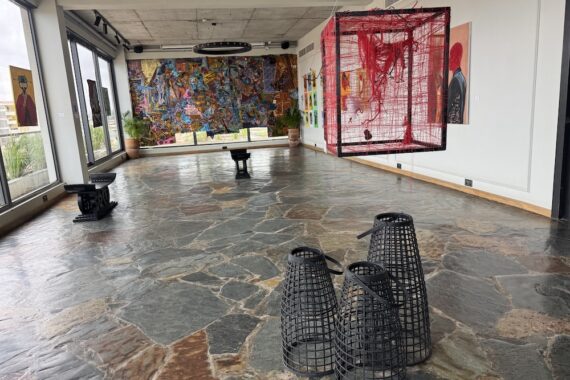
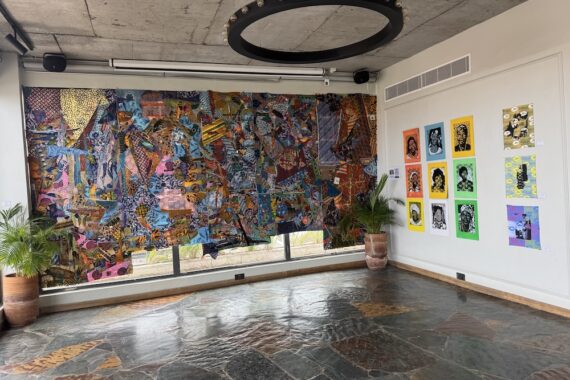
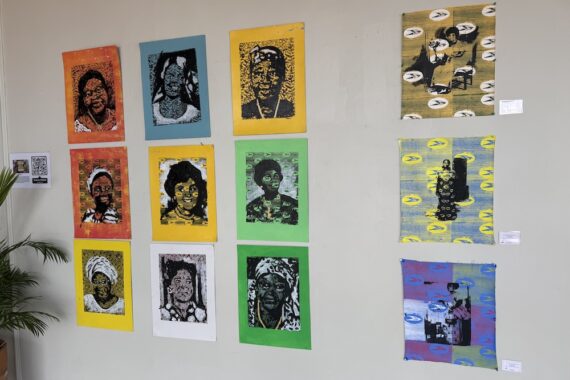
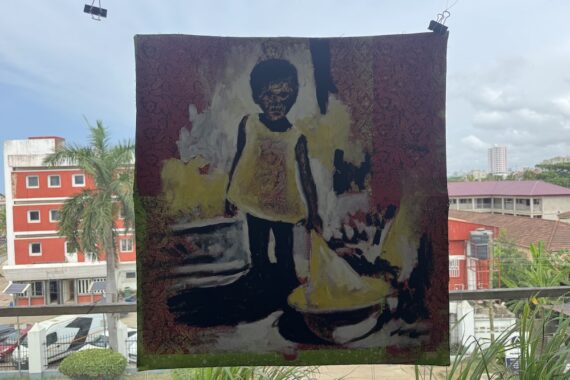
  • Expressive and figurative paintings reflecting pride

    March 9, 2026 • FeaturedArticle, News • 687

    By John Owoo

    (Accra – Ghana)

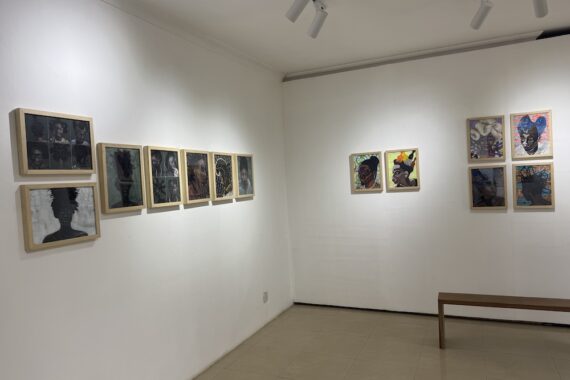
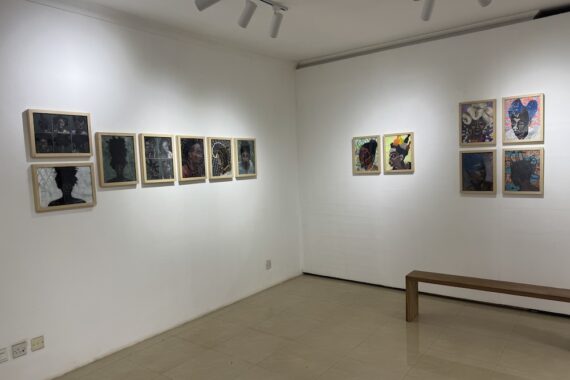
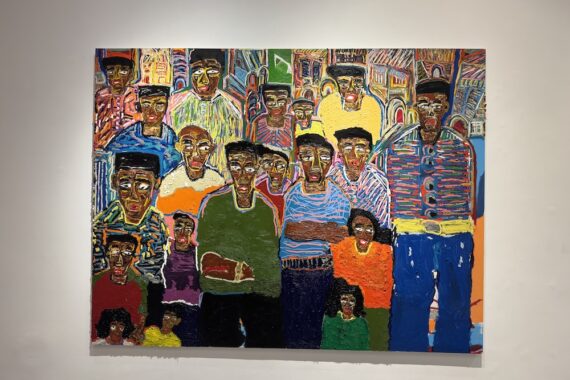
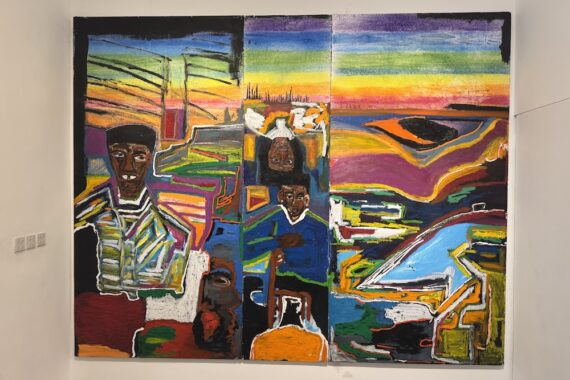
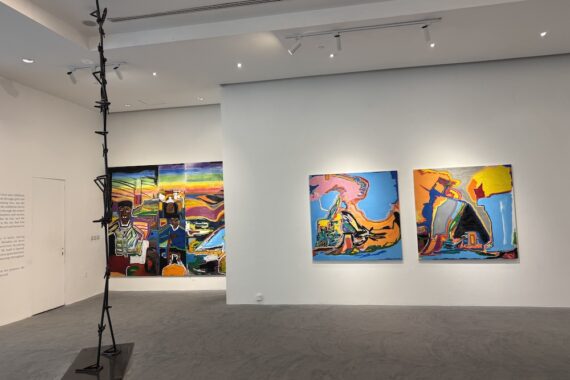
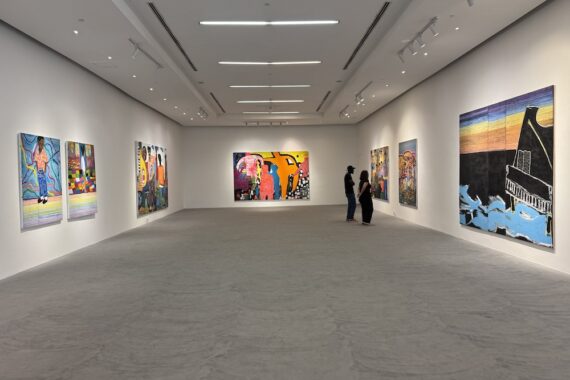
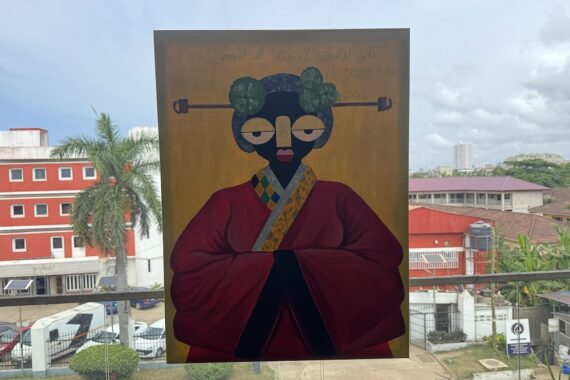
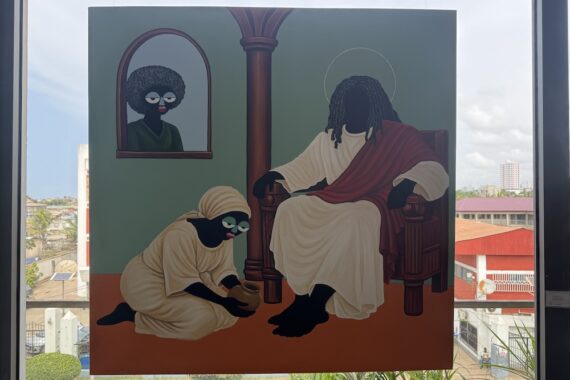
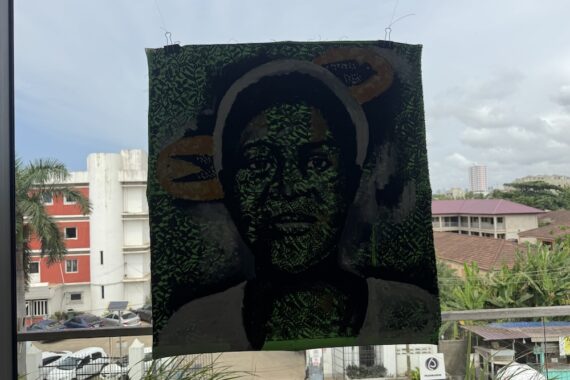
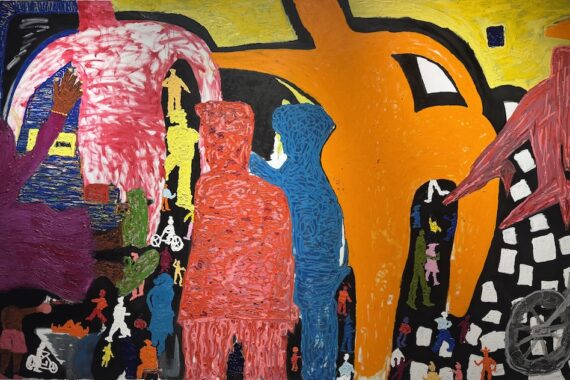
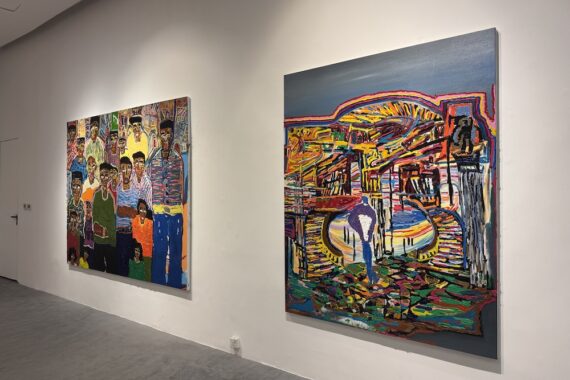
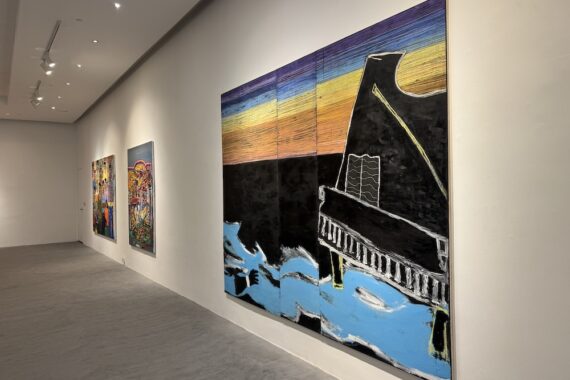
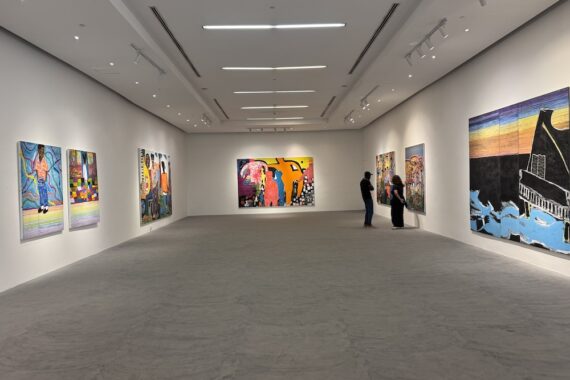
    An exhibition, “Kingdom of Pride,” by Ivorian-Togolese artist Ismael Tamek, on show at the Mix Design Hub in Accra, offers a thoughtful meditation on one of humanity’s most paradoxical emotions.

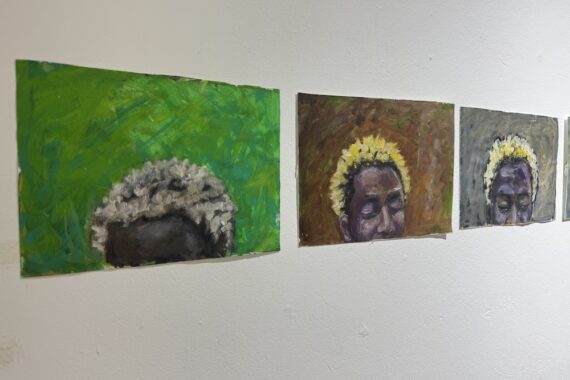
    Indeed, the artist weaves his way through expressive figurative paintings while reflecting on pride not merely as a moral weakness but as a complex force that can both protect and isolate the human spirit.

    At the core of the exhibition lies a simple yet provocative observation: many conflicts between individuals and societies are not necessarily driven by hatred or a lack of love, but by pride. In this body of work, pride emerges as an invisible wall—one that prevents dialogue, blocks empathy, and turns vulnerability into silence. The exhibition suggests that where conversation might heal divisions, pride often imposes distance.

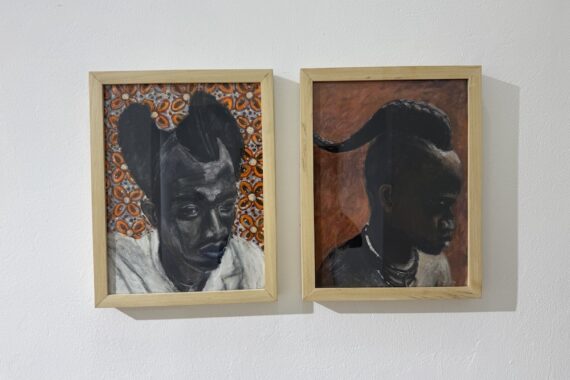
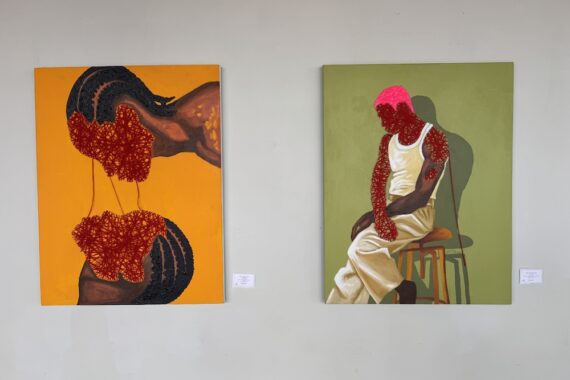
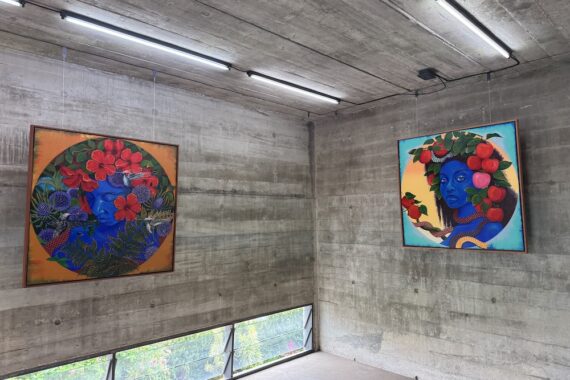
    Tamek brings this idea to life through a series of powerful human figures whose faces carry restrained yet intense emotions. Pride, fragility, and resistance appear simultaneously in their expressions, creating an inner tension. The figures seem suspended between strength and vulnerability, embodying the psychological struggle that defines the exhibition’s theme.

    The bodies portrayed in the paintings draw visual inspiration from Yoruba statuary, standing upright in dignified and composed postures. These vertical forms evoke endurance and resilience rather than submission. The characters in Tamek’s works do not appear defeated by their internal conflicts; instead, they stand firm, carrying their emotions with quiet intensity.

    One of the most striking visual elements in the exhibition is the treatment of hair, rendered in multiple vibrant colors. This becomes more than a stylistic choice—it evolves into a symbolic language of human diversity. The colorful hair suggests the plurality of identities, thoughts, and cultural backgrounds that shape human existence, reminding viewers that difference should not be seen as a threat but as a fundamental condition of coexistence.

    Ultimately, “Kingdom of Pride” invites viewers to reflect on their own relationship with pride. Rather than condemning it outright, Tamek presents it as an ambivalent inner force—one that can protect personal dignity while also building emotional and cultural barriers. In this sense, each individual becomes ruler of their own fragile “kingdom,” constantly navigating the delicate balance between self-respect and openness to others.

    The exhibition ends on Wednesday, April 15, 2026.

    Read More »
  • Afropéennes boosts Lomé’s economy & cultural tourism

    February 26, 2026 • FeaturedArticle, News • 706

    By John Owoo

    (Lomé – Togo)

    Each year, when the stage lights come alive in Lomé for Les Afropéennes, the impact extends far beyond music. The festival, hosted in the Togolese capital, has steadily evolved into both a cultural highlight and an economic driver, with growing influence on tourism in Togo.

    Held at venues including the Marché Moderne de Cacavéli-Agoè and the Institut Français du Togo, Les Afropéennes brings together artists from across Africa, Europe, and the diaspora. What began as a cultural exchange platform has matured into a significant event on the region’s arts calendar — drawing thousands of spectators and stimulating activity across multiple sectors of the local economy.

    During festival days, Lomé experiences a noticeable surge in commercial activity. Hotels accommodate visiting artists, technical teams, and regional travellers. Restaurants, bars, and food vendors record increased patronage, particularly in areas surrounding event venues. Taxi drivers and motorcycle transport operators benefit from higher demand as audiences move across the city for performances.

    Small-scale traders and artisans also tap into the festival’s audience. From fashion and crafts to music merchandise, the event creates a temporary but impactful marketplace that injects cash directly into local hands. For many vendors, cultural events like Afropéennes represent critical opportunities to generate income.

    Beyond consumer spending, the festival contributes to job creation. Event production requires sound engineers, stage designers, security personnel, lighting technicians, and media crews. While many of these roles are temporary, they provide valuable employment and professional exposure, particularly for young people working within Togo’s growing creative industries.

    Importantly, Afropéennes also strengthens the local music ecosystem. By offering platforms such as open-mic sessions and emerging-artist showcases, the festival nurtures talent and expands professional networks. For Togolese musicians, performing alongside international acts increases visibility and opens doors to collaborations beyond national borders.

    From a tourism perspective, Afropéennes is gradually positioning Lomé as more than just a coastal or transit destination. The festival attracts regional visitors from neighbouring West African countries as well as European cultural enthusiasts interested in Afro-diasporic artistic exchange.

    Cultural festivals play a crucial role in destination branding, and Afropéennes helps shape Togo’s image as a dynamic creative hub. The international partnerships behind the festival, including collaboration with European cultural institutions, further reinforce Lomé’s visibility on global arts circuits.

    As attendance continues to grow, the potential for increased cultural tourism becomes even more significant. Festivals often serve as entry points for first-time visitors who may later return for leisure, heritage exploration, or business opportunities.

    The broader economic impact lies in the ripple effects. Consistent cultural programming encourages improvements in event infrastructure and hospitality services, fosters investor confidence in the creative sector, and strengthens Togo’s cultural diplomacy.

    For Togo, Afropéennes represents more than a weekend of music. It is a strategic cultural asset — one that stimulates spending, supports livelihoods, promotes talent development, and enhances the country’s tourism appeal.

    As the festival expands in scope and reputation, its role in shaping Lomé’s economic and cultural landscape is becoming increasingly clear: when culture thrives, so too does the city around it.

    Read More »
  • Afropéennes celebrates African and diasporic music

    February 24, 2026 • FeaturedArticle, News • 673

    By John Owoo

    (Lomé – Togo)

    Togolese singer Senzaa, one of the artists who brought the curtain down on the 2026 edition of the Afropéennes Festival, delivered a spellbinding performance on Sunday, February 22, at the Marché Moderne de Cacavéli-Agoè, leaving music lovers enthralled by her commanding stage presence and vocal dexterity.

    Stepping onto the stage with confidence and theatrical flair, Senzaa delivered a set that seamlessly blended contemporary beats with traditional African sounds. The result was a rich, textured soundscape that felt both modern and deeply rooted. Her music, layered with evocative rhythms and expressive melodies, captured the pulse of everyday African life — its struggles, resilience, and triumphs.

    Backed by an energetic ensemble, the singer moved effortlessly between upbeat anthems and reflective ballads. Her lyrics, often laced with social commentary, explored themes of justice, love, and loss, striking a chord with a diverse audience. Each song unfolded as a narrative, inviting listeners to reflect while still dancing to infectious grooves. The performance balanced entertainment with substance.

    Senzaa’s artistry lies not only in her vocal strength but also in her ability to connect. With dramatic pauses, spirited choreography, and intimate audience interactions, she transformed the open-air market into a shared musical sanctuary.

    As applause echoed across the grounds, it became clear that she is quickly positioning herself as one of the most compelling voices on the African music scene, distinguished by a sound that is both unique and purposeful.

    Guadeloupean-Malagasy star Ricky Bishop ignited the crowd with an electrifying blend of Bouyon music. Known for its high-energy tempo, percussive drive, and dance-inducing cadence, lypso rhythms came to life through Bishop’s animated delivery. Bouncy keyboard lines and subtle rap inflections kept the audience on its feet, transforming the festival grounds into a pulsating dance floor.

    Togolese artist Massama Dogo and the Alagaa Beat Band also left a lasting impression with a bold fusion of Afrobeat and psychedelic rock. His set, marked by edgy guitar riffs and hypnotic rhythms, honored tradition while pushing sonic boundaries. Drawing on ritualistic beats and melodies associated with Vodun culture, Dogo delivered a performance as spiritually resonant as it was musically adventurous.

    Together, the trio and French artist Papatef, who performed later, underscored the Afropéennes Festival’s commitment to celebrating diverse African and diasporic sounds, closing the event on a vibrant, memorable note.

    Launched in June 2023 by Togo Créatif, with support from the European Union and the Institut Français du Togo, Les Afropéennes has quickly become a major cultural fixture in Lomé, Togo’s capital.

    Partners include the European Union, Institut Français, Goethe-Institut, ASKY, Marché Moderne de Cacavéli-Agoè, cfao, Hit Radio, GNADOE, Fanga Music, Voltic, and Hôtel École Lébénè. 

    Read More »
« 1 2 3 4 … 44 »
Subscribe to Arts Ghana News

Enter your email address to subscribe. Receive notifications of new posts by email.

RECENT VIDEOS

Simple Slideshow

  • Goethe Institut
  • Alliance Française
  • Arterial Network

© 2026 Arts Ghana™

Website Managed by DelTin Technologies