

By John Owoo
(Abidjan – Côte d’Ivoire)
A compelling contemporary performance by Fayçal Belattar and Eloi Calame (Baçira) unfolds as an immersive exploration of spirituality in a rapidly shifting world. Presented as a hybrid concert experience at the ongoing MASA Festival, the work situates itself at the intersection of tradition and modernity, where ancestral memory meets digital experimentation.
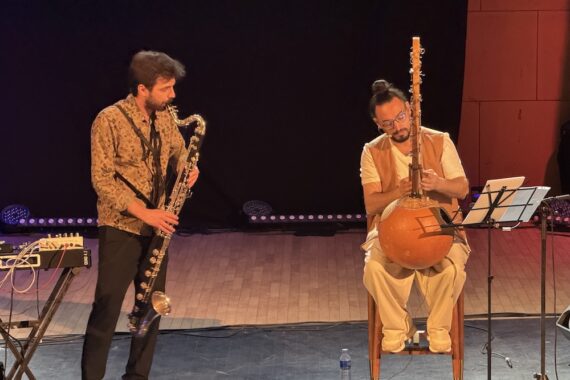
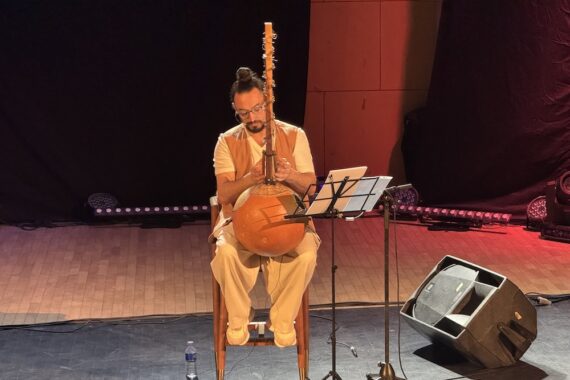
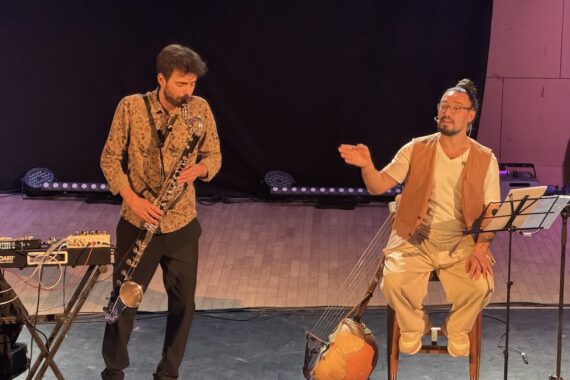
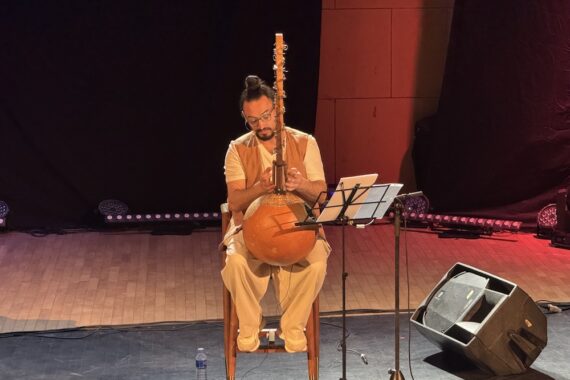
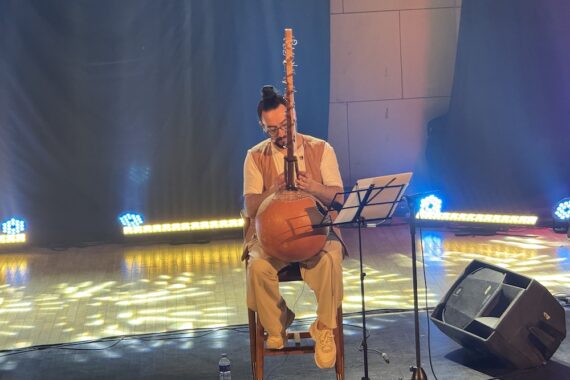
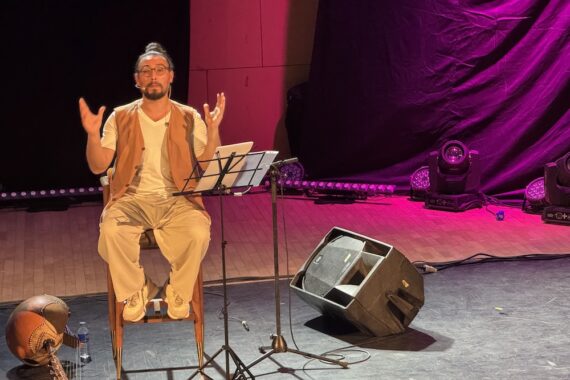
From the outset, Belattar’s presence—anchored in vocals, kora, and spoken text—creates an intimate, almost ritual atmosphere. His voice flows between song and incantation, carrying echoes of oral traditions while remaining deeply rooted in present-day concerns. The kora, with its delicate yet resonant timbre, becomes more than an instrument; it serves as a bridge among histories, cultures, and emotional states.
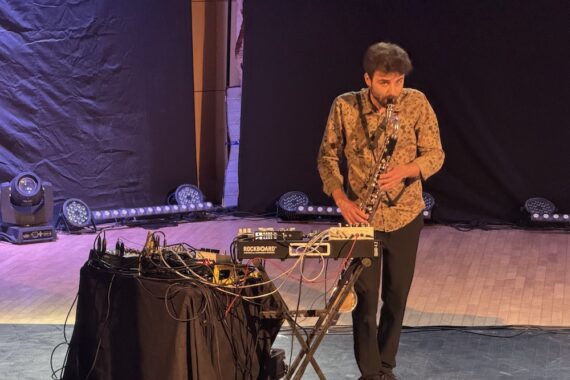
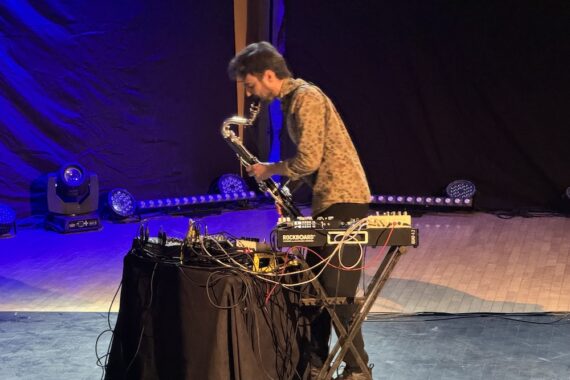
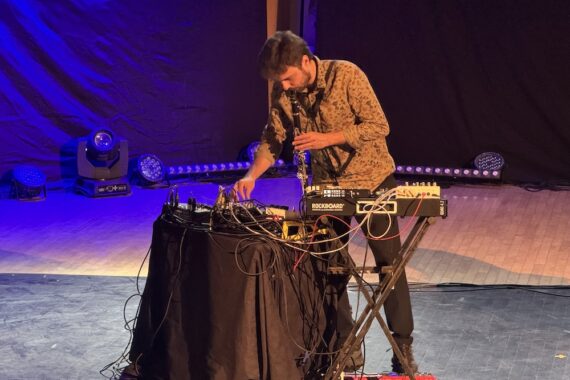
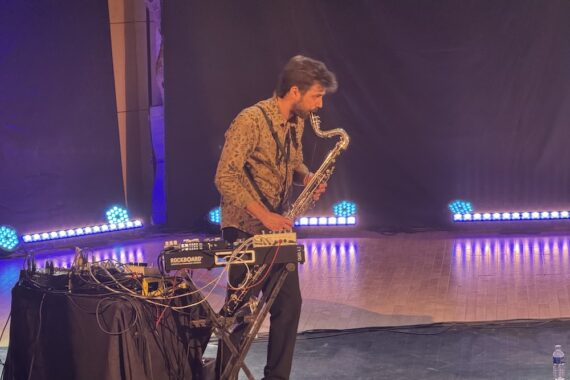
Alongside him, Eloi Calame’s mastery of the clarinet and bass clarinet adds a rich sonic counterpoint. His playing ranges from breathy, almost fragile tones to more assertive, textured passages. What distinguishes this performance, however, is the seamless integration of electronics. Loops, digital textures, and amplified breaths expand the acoustic landscape, creating a layered soundscape that feels both organic and otherworldly.
Rather than opposing tradition and innovation, Baçira thrives on the tension between them. The performance is built on moments of friction—where the warmth of the kora meets the cool abstraction of electronic sound, and where structured musicality dissolves into improvisation. This interplay creates a dynamic listening experience in which multiple temporalities coexist, inviting the audience to reflect on continuity and rupture in cultural expression.
The project’s intercultural dimension is particularly striking. Drawing on North African, Sub-Saharan, and European influences, Baçira resists the temptation to homogenize its sources. Instead, it embraces difference, allowing each element to retain its distinct identity while contributing to a shared sonic language. The result is not a fusion in the conventional sense but a thoughtful negotiation of cultural intersections.
Visually and atmospherically, the performance preserves a minimalist aesthetic, allowing the sound to take center stage. This restraint enhances the work’s meditative quality, drawing the audience into a contemplative space where listening becomes an act of introspection.
Undeniably, Baçira is a reflective journey through sound, memory, and identity. By weaving together the spiritual and the technological, as well as the local and the global. Indeed, Belattar and Calame offer a performance that is both intellectually engaging and emotionally resonant. It is a timely reminder that, in an era of constant change, art can serve as a vital space for dialogue between the past and the present.


