





Latest
  • visit www.artsghana.net for information on the arts
  • visit www.artsghana.net for information on the arts

Arts Ghana

MENU
  • Home
  • About Us
  • Upcoming Events
  • Latest News
  • Artistes Database
  • Archives
  • Links
  • Contact Us
  • Music
  • Dance
  • Theatre
  • Literature
  • Visual Arts
  • Film
  • Fashion
  • You Tube
  • Facebook
  • April 28, 2026 • 114

    Festival reaffirms Togo as a jazz hub

  • April 24, 2026 • 285

    Music shaped by ancestry, improvisation, and transcendence

  • April 23, 2026 • 263

    Brass bands showcase tradition and experimentation

  • April 21, 2026 • 188

    Set design mirrors dynamism of contemporary African performance

  • April 17, 2026 • 229

    Shifting portraits of the complexities of male identity

  • April 17, 2026 • 220

    Rhythmic footwork and grounded movements

  • April 16, 2026 • 507

    Raw physicality with spiritual introspection  

  • April 16, 2026 • 260

    Imposition, interruption, and provocation by LED screen

  • April 15, 2026 • 173

    Sonic meditation on tradition and transformation

  • April 15, 2026 • 291

    Subtle exposure of constraints that shape female identity

  • Festival reaffirms Togo as a jazz hub

    April 28, 2026 • FeaturedArticle, News • 114

    By John Owoo

    (Lomé – Togo)

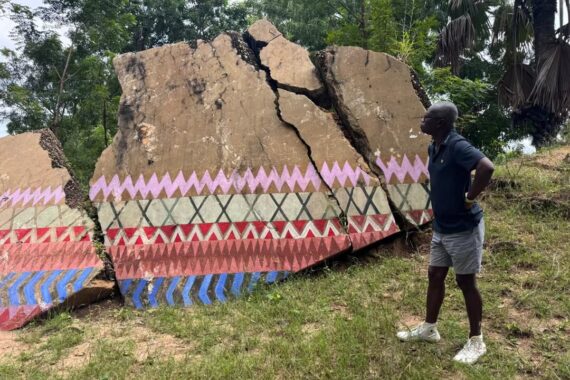
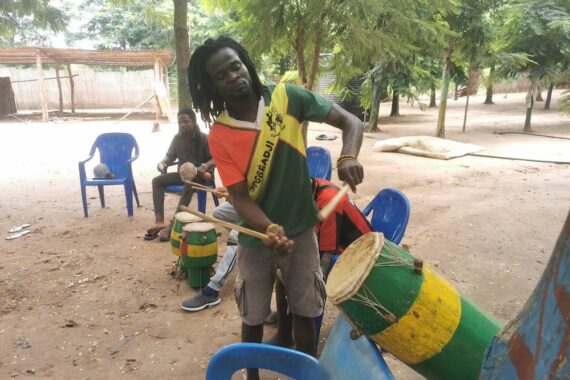
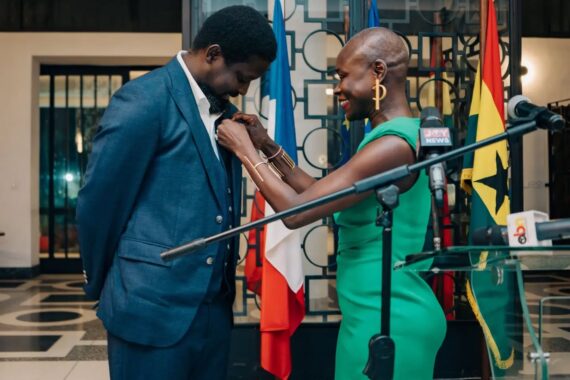
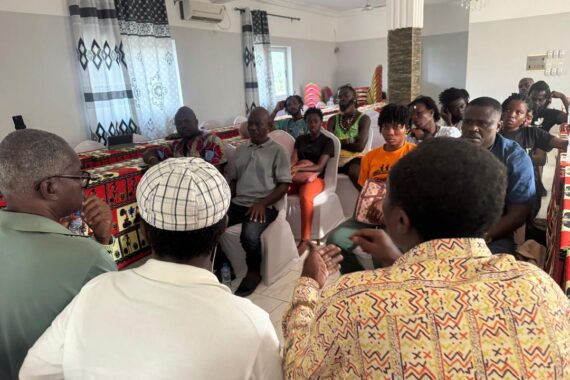
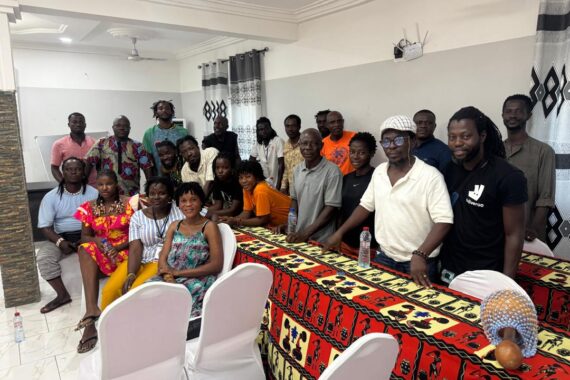
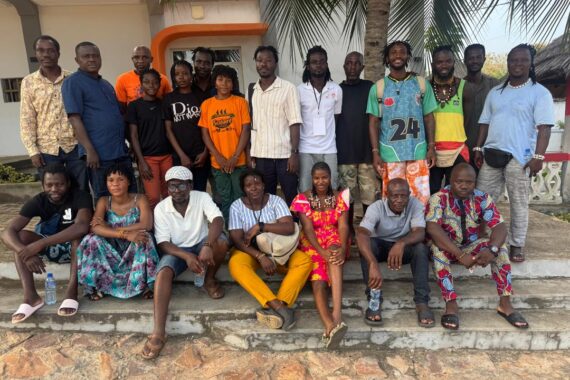
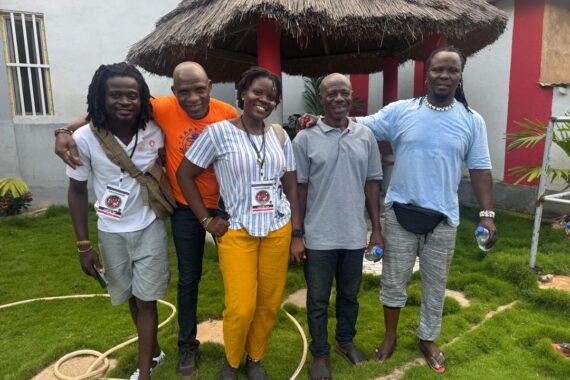
    Togo Jazz Festival is, without a doubt, one of West Africa’s most vibrant cultural gatherings, reaffirming Togo’s growing reputation as a hub for jazz and contemporary African music.

    The 2026 edition (April 20–26) unfolded across Lomé and other cities in Togo, bringing together a diverse mix of local and international artists for a weeklong celebration of sound, culture, and creative exchange. 

    Now in its 12th edition, the festival has become a major platform bridging jazz, African musical traditions, and global influences. Its programming typically reflects a deliberate fusion of genres—ranging from classic and contemporary jazz to Afrobeat, highlife, and experimental world music—positioning jazz not only as a genre but as a universal language shaped by African rhythms and diasporic connections.

    The 2026 edition is described as having renewed ambition and an exceptional artistic lineup, continuing the festival’s commitment to showcasing both established names and emerging talent. Beyond performances, the event emphasized professional development, artistic collaboration, and networking opportunities for musicians and cultural practitioners.

    A defining feature of the Togo Jazz Festival is its role in fostering intercultural dialogue. By inviting artists from across Africa and beyond, the festival becomes a meeting point where diverse musical traditions intersect, encouraging experimentation and cross-cultural collaborations. This spirit of exchange reinforces the festival’s broader mission: to celebrate creativity while strengthening cultural ties within the region and internationally.

    Equally significant is the festival’s contribution to Togo’s cultural visibility. Over the years, it has helped position the country as a key destination on the African festival circuit, drawing audiences, industry professionals, and tourists. In doing so, it supports the local creative economy and highlights the richness of Togolese cultural heritage.

    Ultimately, the 2026 Togo Jazz Festival is more than a series of concerts—it is an immersive cultural experience. Through its blend of music, education, and cultural exchange, it affirms jazz’s enduring relevance and celebrates Africa’s dynamic and evolving artistic landscape.

    Read More »
  • Music shaped by ancestry, improvisation, and transcendence

    April 24, 2026 • FeaturedArticle, News • 285

    By John Owoo

    (Lomé – Togo)

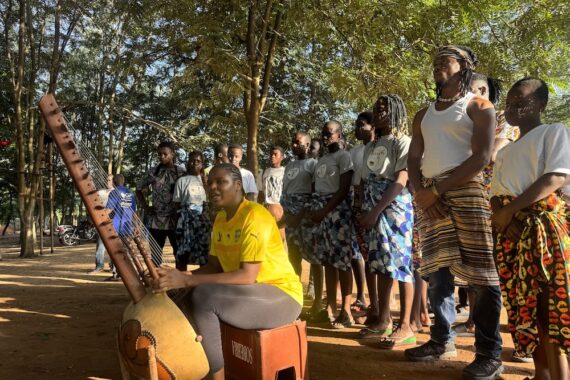
    A collaboration between Esinam Dogbatse (Belgium/Ghana) and Sibusile Xaba (South Africa) unfolded as a deeply immersive sonic ritual—less a concert than a spiritual gathering shaped by ancestry, improvisation, and transcendence.

    Performing at the 2026 edition of the Togo Jazz Festival, the duo created an atmosphere that felt both intimate and expansive. Esinam, moving seamlessly among flute, synthesizers, percussion, and voice, crafted airy, meditative textures that floated above the ground rhythms.

    Opposite her, Xaba’s guitar work—at once delicate and percussive—anchored the performance with an earthy resonance, while his vocals carried a raw, almost ancestral urgency. Together, they forged a dialogue that blurred geographical and cultural boundaries, merging Belgian-Ghanaian and KwaZulu-Natal influences into a singular, fluid expression.

    The set leaned into what could best be described as Afro-roots-electro with a spiritual jazz sensibility. Yet labels quickly fell short. What emerged instead was a constantly shifting soundscape, where Ghanaian highlife echoes met Zulu and Ewe traditional motifs, all filtered through contemporary electronic manipulation. Looped rhythms intertwined with live instrumentation, building hypnotic grooves that drew the audience into a trance-like state.

    Central to the performance was the duo’s use of vocal chanting—not as mere embellishment, but as a driving force. Their voices rose and fell in cyclical patterns, invoking something ancient yet forward-looking. These chants, layered over intricate rhythmic structures, transformed the stage into a space of storytelling without words, where emotion and memory took precedence over literal meaning.

    There was a palpable sense of “cross-pollination” throughout the evening. Each piece felt like a living organism, evolving in real time as the artists responded intuitively to one another. Esinam’s electronic textures would swell and recede, making room for Xaba’s guitar lines to stretch and breathe before converging again into dense, pulsating climaxes. The result was music that felt alive—organic despite its electronic elements, grounded despite its cosmic reach.

    The audience, initially observant, gradually succumbed to the performance’s hypnotic pull. Subtle head nods gave way to full-body swaying as the duo’s grooves deepened and expanded. By the final moments, the boundary between performer and spectator had all but dissolved.

    At a festival known for celebrating jazz in its many forms, Esinam and Sibusile Xaba offered something profoundly distinct: a reminder that jazz, at its core, is not just a genre but a spirit of exploration. Their performance stood as a testament to music’s power to connect past and present, tradition and innovation—an experience that lingered long after the final note faded.

    Top of Form

    Bottom of Form

    Read More »
  • Brass bands showcase tradition and experimentation

    April 23, 2026 • FeaturedArticle, News • 263

    By John Owoo

    (Lomé – Togo)

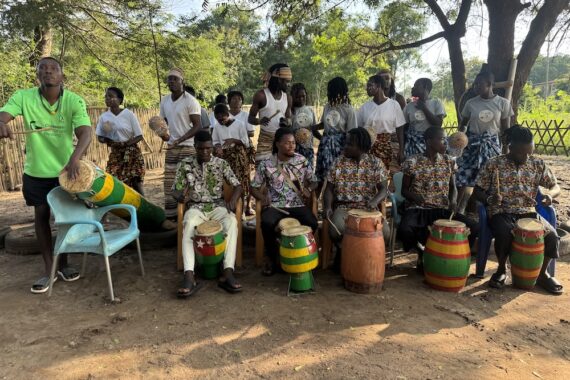
    At the Togo Jazz Festival 2026, the “Brass Vibes” concert, held at the Institut Français du Togo, brought together three distinctive ensembles—MGG Brass Band, Assia Brass Band, and Kale Brass Band—for an evening celebrating both tradition and experimentation in West Africa’s evolving brass culture.

    Opening the night, MGG Brass Band set a reflective tone with a performance rooted in musical heritage. Their approach leaned toward reinterpretation rather than reinvention, drawing on familiar traditional motifs and reshaping them through layered horn arrangements.

    The ensemble’s strength lay in its cohesion: tight harmonies, disciplined transitions, and a measured build that gradually drew the audience into its sonic world. Rather than overwhelming the audience with spectacle, MGG opted for subtlety and control, offering a set that felt both respectful of the past and quietly contemporary.

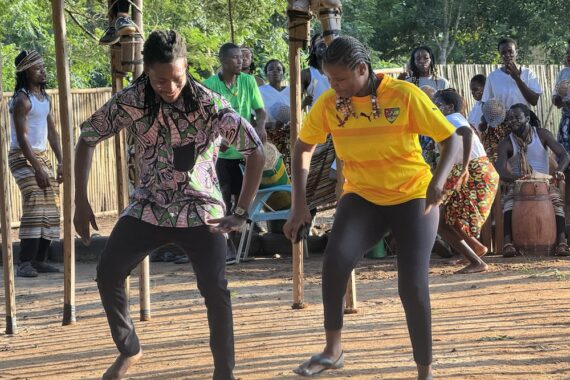
    Kale Brass Band delivered the most eclectic and high-octane set of the night. Their sound, an infectious blend of vodou rhythms, jazz phrasing, and funk sensibilities, transformed the stage into a pulsating space of rhythm and motion.

    Unlike the more restrained opening act, Kale embraced theatricality—band members moved freely, interacting with one another and the audience, transforming the performance into a communal experience. Their ability to shift from hypnotic, trance-like grooves to explosive, brass-driven climaxes demonstrated both versatility and confidence.

    Assia Brass Band followed, bringing a noticeable shift in energy. The Benin-based group injected the evening with vibrancy and urgency, immediately commanding attention with sharp brass accents and a confident stage presence. Their set thrived on contrasts—fast-paced passages collided with slower, groove-heavy moments, creating a dynamic push-and-pull that kept the audience engaged. 

    Precision was central to their performance, but so was flair; synchronized movements and expressive delivery elevated their music beyond sound, transforming it into a visual experience. It was a performance that balanced technical finesse with crowd-pleasing vitality.

    Together, the three bands offered a compelling cross-section of contemporary brass expression across the region. From MGG’s rooted introspection to Assia’s polished dynamism and Kale’s genre-blurring exuberance, the evening underscored the richness and diversity of West Africa’s brass tradition. 

    More than just a concert, “Brass Vibes” became a statement: that brass music here is not static but alive—constantly negotiating among history, innovation, and performance energy.

    Read More »
  • Set design mirrors dynamism of contemporary African performance

    April 21, 2026 • FeaturedArticle, News • 188

    By John Owoo

    (Abidjan – Côte d’Ivoire)

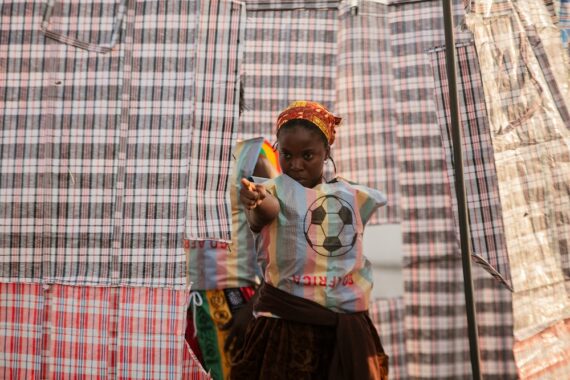
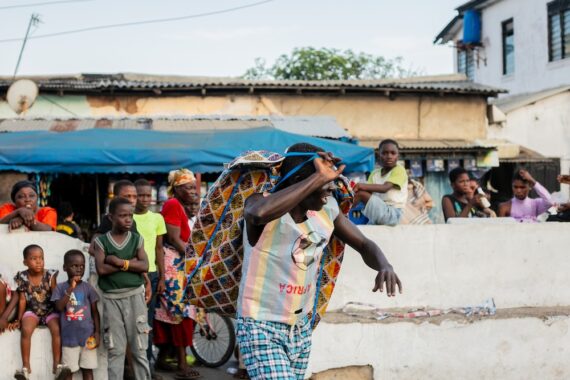
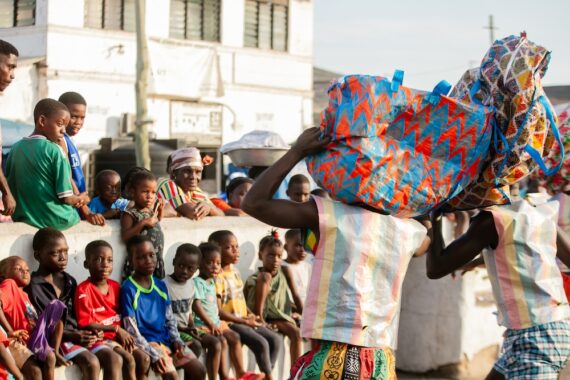
    During the 14th edition of the Market for African Performing Arts Festival (MASA), it is not only the performances that command attention—the set design itself has emerged as a striking centerpiece, particularly under the glow of nightfall.

    Conceived by Les Ateliers PDG under the artistic direction of renowned choreographer Georges Momboye, the stage architecture offers a bold visual narrative that mirrors the dynamism of contemporary African performance.

    Spread across two expansive platforms—one measuring 16 by 12 meters and elevated at 1.5 meters, the other slightly lower at 36 centimeters—the design is as functional as it is symbolic.

    Built to withstand both the unpredictability of the elements and the physical intensity of large-scale dance productions, the structure accommodates hundreds of performers with ease. From high-impact jumps to complex ensemble formations, the stage proves resilient, underscoring the technical foresight behind its construction.

    Visually, the set transforms into a luminous cityscape at night. Rows of illuminated architectural forms evoke the skyline of Abidjan, with a central feature—Tower F—rising to an impressive 6.5 meters.

    This vertical dominance anchors the composition, creating a focal point that draws the audience’s gaze. On either side of the stage, mirrored replicas of the iconic ADO Bridge extend the urban metaphor, paying homage to one of Côte d’Ivoire’s most recognizable infrastructural landmarks.

    Beyond its architectural references, the set design integrates sculptural elements that reflect MASA’s multidisciplinary spirit. Figures representing dance, music, and theatre are seamlessly embedded within the structure, reinforcing the festival’s role as a convergence point for diverse artistic expressions. These elements do not merely decorate the space—they animate it, creating a dialogue between performers and their environment.

    Flanking the stage are monumental elephant sculptures, a powerful nod to the national symbol of Côte d’Ivoire. Their presence adds both grandeur and cultural resonance, grounding the contemporary aesthetic in a sense of identity and heritage.

    For Momboye and his team, the project presented significant challenges, from engineering durability to achieving visual coherence on such a scale. Yet the result is a triumph—an immersive сценography that elevates the festival experience.

    As MASA 2026 unfolds, the set stands not just as a backdrop but as a living, breathing participant in the artistic narrative, signaling new possibilities for stage design across the continent.

    Read More »
  • Shifting portraits of the complexities of male identity

    April 17, 2026 • FeaturedArticle, News • 229

    By John Owoo

    (Abidjan – Côte d’Ivoire)

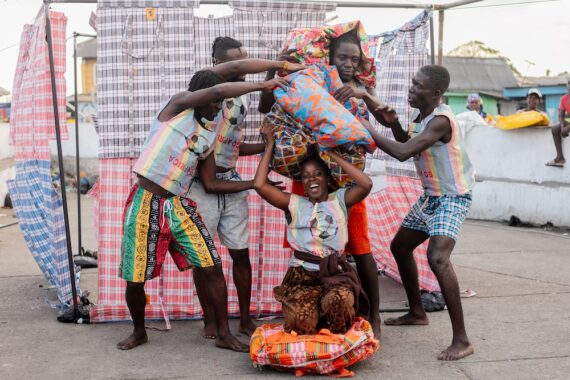
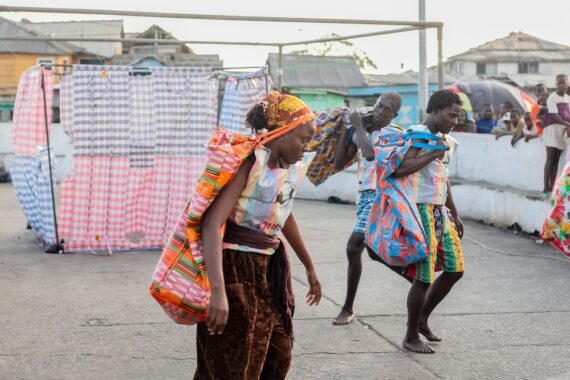
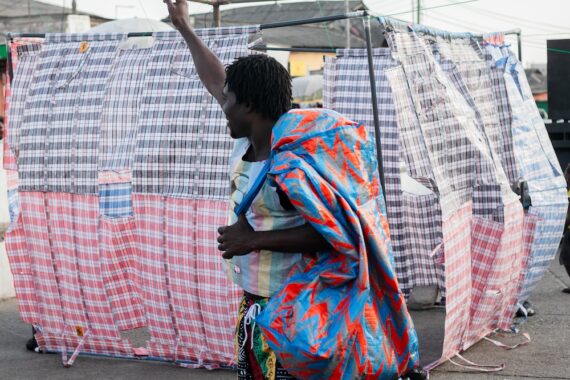
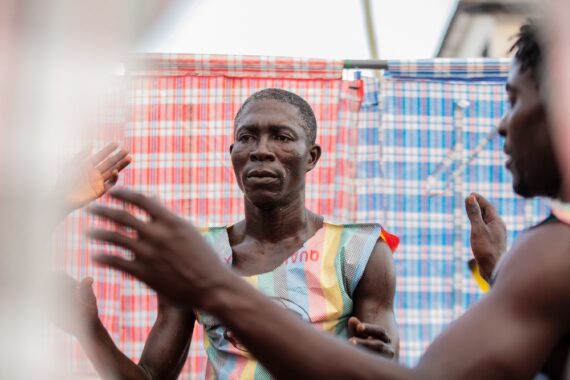
    Boys and I, a compelling work by the Nigerian multidisciplinary company Adila Dance, offers a thoughtful and physically engaging interrogation of masculinity in contemporary society.

    Rooted in an accessible yet layered choreographic language, the piece, which was performed at Salle Kodjo Ebouclé as part of MASA 2026, occupies the intersection of personal introspection and collective questioning, inviting audiences to reconsider entrenched social norms.

    Undeniably, the work unfolds as a series of intimate, shifting portraits that explore the complexities of male identity. From the outset, the performers command attention with movement expressions that oscillate between strength and vulnerability.

    Covered in face masks in parts of the production, their bodies become sites of tension—at times rigid and controlled, at others fluid and yielding—reflecting the internal conflicts that often accompany socially constructed expectations of masculinity.

    What stands out in Boys and I is its refusal to settle into a single narrative. Instead, the choreography builds a mosaic of experiences, in which moments of confrontation dissolve into sequences of introspection.

    The dancers engage in subtle yet powerful interactions, sometimes supporting one another and at other times pushing against invisible boundaries. These exchanges evoke the pressures of conforming to dominant ideals while yearning for authenticity and emotional freedom.

    The staging remains minimal, keeping the focus squarely on the performers and their physical storytelling. This simplicity proves effective, creating an intimate atmosphere in which each gesture and expression resonates deeply. The use of rhythm and silence further enhances the piece’s emotional texture, with pauses carrying as much weight as movement.

    Adila Dance’s commitment to cultural democratization is evident in the work’s accessibility. Although the themes are complex, the performance avoids abstraction for its own sake, grounding its ideas in relatable human experiences. The result is a piece that speaks across cultural and social divides, prompting audiences to reflect on their perceptions of gender and identity.

    Ultimately, Boys and I succeeds as both an artistic and a social statement. It challenges without alienating and provokes without prescribing answers. By creating a space where vulnerability is not only allowed but embraced, the work opens a meaningful dialogue about what it means to be a man in today’s world. It is a poignant reminder that identity is not fixed but continually shaped through reflection, resistance, and connection.

    Read More »
  • Rhythmic footwork and grounded movements

    April 17, 2026 • FeaturedArticle, News • 220

    By John Owoo

    (Abidjan – Côte d’Ivoire)

    Échos Célestes, a contemporary dance work created in 2024 by the Ivorian company Alkebulan Danse, offers an ambitious, thought-provoking exploration of human existence, perception, and spirituality.

    Performed by five dancers at Salle Lougah François (Palais de la Culture) as part of MASA 2026, the piece explores humanity’s enduring obsession with being seen—by others, by unseen forces, and perhaps by heaven.

    From the outset, the choreography establishes a charged atmosphere. The dancers move with a striking blend of urgency and restraint, embodying a tension between visibility and invisibility. Their gestures often reach outward, as if seeking validation, connection, or recognition, yet just as often retreat inward, suggesting doubt and introspection. This push-and-pull becomes the emotional backbone of the performance.

    What makes Échos Célestes particularly compelling is its philosophical depth. The work raises complex questions: Are we merely fragments of a larger whole, or do we carry something godlike within us? How do we define ourselves in relation to others, and what traces do we leave for future observers? These themes are conveyed not through narrative but through a potent physical language that fuses symbolic movement with visceral intensity.

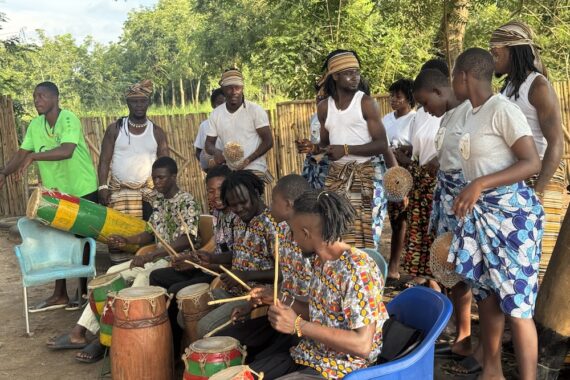
    Alkebulan Danse’s signature fusion of traditional African dance and contemporary techniques is on full display. Rhythmic footwork and grounded movements, rooted in Ivorian and broader African traditions, are seamlessly interwoven with fluid, expansive contemporary forms. This synthesis creates a dynamic visual vocabulary that feels both deeply ancestral and strikingly modern.

    The ensemble’s cohesion is another highlight. Each dancer brings a distinct presence, yet they move as a unified organism, reflecting the piece’s meditation on interconnectedness. At times, their synchronization suggests harmony and collective purpose; at others, fragmentation and dissonance emerge, mirroring the uncertainties of human identity.

    Under Henri Michel Haddad’s direction, the choreography is both intellectually rigorous and emotionally resonant. His international experience is evident in the work’s refined structure and layered composition, yet the piece remains firmly rooted in its cultural context. The work clearly aims to bridge worlds—tradition and modernity, the physical and the metaphysical, the individual and the collective.

    Ultimately, Échos Célestes is not an easy work, nor does it aim to be. Instead, it invites the audience into a space of reflection and inquiry. Its strength lies in evoking rather than explaining, in suggesting rather than concluding. In doing so, it leaves a lingering impression—one that continues to resonate long after the final movement fades.

    Read More »
  • Raw physicality with spiritual introspection  

    April 16, 2026 • FeaturedArticle, News • 507

    By John Owoo

    (Abidjan – Côte d’Ivoire)

    Salle Lougah François (Palais de la Culture) was literally set ablaze as ZO! Mute unfolded as a compelling double bill that brought together two of South Africa’s most respected choreographic voices, Vincent Sekwati Mantsoe and Gregory Maqoma.

    The evening-length work probed the human condition through a striking interplay of ritual, rhythm, and silence, offering a performance that was as spiritually charged as it was physically demanding.

    Performed by six dancers, the piece opened with a commanding visual presence: bodies clad in red costumes moved with both unity and individuality, establishing a tension between collective identity and personal struggle. The choreography quickly immersed the audience in a world where movement became language—at times exuberant and forceful, at others restrained and meditative.

    The use of body percussion and rhythmic breathing created an almost hypnotic atmosphere, reinforcing the work’s deep connection to indigenous South African traditions while maintaining a contemporary sensibility.

    Mantsoe’s ZO! drew from the mythic figure of Queen ZO, embodying a complex duality of grace and destruction. This duality was vividly expressed through sharp contrasts in movement—fluid, expansive gestures would abruptly give way to grounded, almost violent physicality.

    The dancers navigated themes of greed, despair, and vulnerability with intensity, their bodies articulating the fragile line between power and collapse. Elements of street dance blended seamlessly with ritualistic motifs, grounding the work in both urban and ancestral realities.

    In contrast, Maqoma’s Mute shifted the tone inward, engaging silence as both a thematic and structural device. Here, the choreography leaned into stillness and minimalism, allowing small gestures to resonate with profound emotional weight.

    The dancers seemed to carve meaning out of absence, suggesting that silence itself can be a powerful form of expression. As the piece progressed, movement gradually reclaimed space, symbolizing a breaking of silence and the reclaiming of agency.

    A costume change between the two parts subtly marked this transition, signaling a shift not only in aesthetic but in philosophical inquiry. While ZO! confronted the chaos of human impulses, Mute searched for the possibility of renewal—questioning whether a future can emerge from loss and decay.

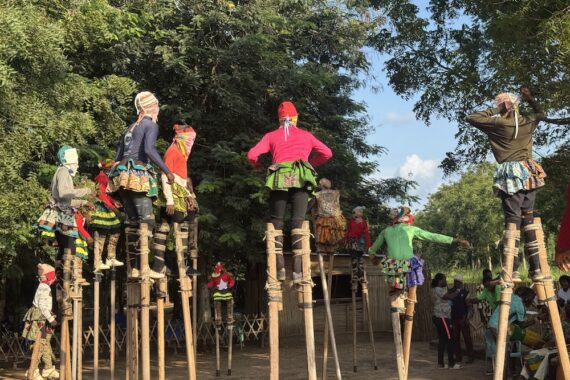
    Together, ZO! Mute offered a layered and thought-provoking performance that balanced raw physicality with spiritual introspection. It was a work that demanded attention, not through spectacle alone, but through its unwavering commitment to exploring the depths of human experience.

    Read More »
  • Imposition, interruption, and provocation by LED screen

    April 16, 2026 • FeaturedArticle, News • 260

    By John Owoo

    (Abidjan – Côte d’Ivoire)

    Guyanese dancer Johana Malédon’s latest conceptual solo offered a striking meditation on the fraught relationship between body and language, unfolding as both a performance and a provocation at the 2026 Market for African Performing Arts.

    Presented as an evolving dialogue between the dancer and an LED screen displaying random words, the piece occupies the intersection of choreography and sociological inquiry, where meaning is constantly constructed—and dismantled—in real time.

    From the outset, Malédon commands the stage with a presence that is both grounded and elusive. Her movement language resists easy categorization, shifting between fluid continuity and abrupt fragmentation.

    This physical ambiguity mirrors the instability of the words flashing behind or beside her—labels that attempt—and repeatedly fail—to define her. The tension between these projected terms and the dancer’s embodied responses becomes the work’s central dramaturgical engine.

    Rather than illustrating or submitting to the imposed language, Malédon engages in a subtle yet persistent act of defiance. At times, her body seems to absorb and echo the words, only to distort them through unexpected gestures. 

    At other times, she seems to reject them outright, carving out a space of resistance that feels both personal and political. This push-and-pull dynamic creates a compelling sense of unpredictability, keeping the audience alert to each shift in rhythm and intention.

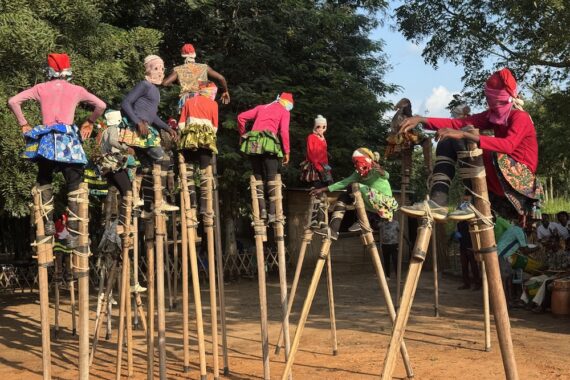
    The use of technology here is particularly effective, not merely a visual accessory but an active partner in the performance. The LED screen functions almost as a second performer—one that imposes, interrupts, and provokes.

    Yet it is the human body that ultimately reclaims agency, asserting its capacity to transform beyond fixed definitions. In this sense, the piece reads as a quiet manifesto against the rigidity of identity labels and the societal impulse to categorize.

    Malédon’s work also resonates on a broader cultural level, particularly in its interrogation of how identities are constructed and perceived. By exposing the arbitrariness of the words that seek to define her, she invites the audience to question their complicity in these processes. The performance does not offer easy answers; instead, it creates a space for reflection, where ambiguity becomes a form of liberation.

    If there is a lingering critique, it may lie in the piece’s conceptual density, which can at times feel opaque to viewers unfamiliar with its theoretical underpinnings. However, this complexity is also part of its strength, demanding active engagement rather than passive consumption.

    In the end, she delivers a thought-provoking, visually arresting work that celebrates the body’s capacity to resist, transform, and exist beyond imposed narratives.

    Read More »
  • Sonic meditation on tradition and transformation

    April 15, 2026 • FeaturedArticle, News • 173

    By John Owoo

    (Abidjan – Côte d’Ivoire)

    A compelling contemporary performance by Fayçal Belattar and Eloi Calame (Baçira) unfolds as an immersive exploration of spirituality in a rapidly shifting world. Presented as a hybrid concert experience at the ongoing MASA Festival, the work situates itself at the intersection of tradition and modernity, where ancestral memory meets digital experimentation.

    From the outset, Belattar’s presence—anchored in vocals, kora, and spoken text—creates an intimate, almost ritual atmosphere. His voice flows between song and incantation, carrying echoes of oral traditions while remaining deeply rooted in present-day concerns. The kora, with its delicate yet resonant timbre, becomes more than an instrument; it serves as a bridge among histories, cultures, and emotional states.

    Alongside him, Eloi Calame’s mastery of the clarinet and bass clarinet adds a rich sonic counterpoint. His playing ranges from breathy, almost fragile tones to more assertive, textured passages. What distinguishes this performance, however, is the seamless integration of electronics. Loops, digital textures, and amplified breaths expand the acoustic landscape, creating a layered soundscape that feels both organic and otherworldly.

    Rather than opposing tradition and innovation, Baçira thrives on the tension between them. The performance is built on moments of friction—where the warmth of the kora meets the cool abstraction of electronic sound, and where structured musicality dissolves into improvisation. This interplay creates a dynamic listening experience in which multiple temporalities coexist, inviting the audience to reflect on continuity and rupture in cultural expression.

    The project’s intercultural dimension is particularly striking. Drawing on North African, Sub-Saharan, and European influences, Baçira resists the temptation to homogenize its sources. Instead, it embraces difference, allowing each element to retain its distinct identity while contributing to a shared sonic language. The result is not a fusion in the conventional sense but a thoughtful negotiation of cultural intersections.

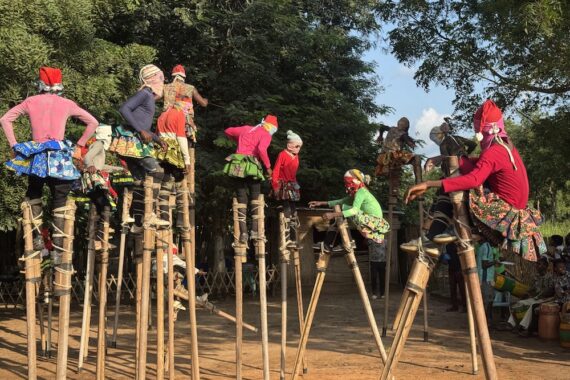
    Visually and atmospherically, the performance preserves a minimalist aesthetic, allowing the sound to take center stage. This restraint enhances the work’s meditative quality, drawing the audience into a contemplative space where listening becomes an act of introspection.

    Undeniably, Baçira is a reflective journey through sound, memory, and identity. By weaving together the spiritual and the technological, as well as the local and the global. Indeed, Belattar and Calame offer a performance that is both intellectually engaging and emotionally resonant. It is a timely reminder that, in an era of constant change, art can serve as a vital space for dialogue between the past and the present.

    Read More »
  • Subtle exposure of constraints that shape female identity

    April 15, 2026 • FeaturedArticle, News • 291

    By John Owoo

    (Abidjan – Côte d’Ivoire)

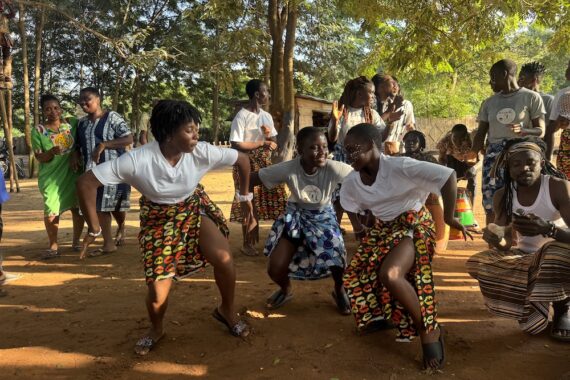
    Salle Kodjo Ebouclé (Palais de la Culture) came alive with a magnetic production, Amelle, a contemporary dance solo created and performed by Mai-Júli Machado, offering an intimate and evocative exploration of womanhood, memory, and transformation.

    Conceived as a ritual of transmission, Amelle traces the symbolic journey from girlhood to womanhood, drawing deeply on personal recollections and shared female experiences. From the outset, Machado establishes a contemplative atmosphere, her presence both grounded and vulnerable. With minimal staging, the focus remains squarely on the body as a vessel of memory and resistance.

    Performing at the 2026 edition of Market for African Performing Arts, she moves between restraint and release. At times, her gestures are subtle—almost internal—suggesting the quiet, often invisible shifts that accompany emotional and psychological growth.

    Initially appearing topless on stage, she at other moments expands her body into the space with urgency, as though pushing against unseen forces. This dynamic interplay effectively mirrors the tensions inherent in the societal expectations placed upon women.

    Machado’s performance is deeply embodied. Each movement feels intentional, carrying layers of meaning that unfold gradually. The transitions between sequences are fluid yet deliberate, allowing the audience to witness the self’s evolution in real time. Her use of stillness is particularly striking; pauses become moments of reflection, inviting viewers to engage with the weight of her narrative.

    The thematic core of Amelle is its critique of imposed norms and restrictions. Without resorting to overt didacticism, the piece subtly exposes the constraints that shape female identity—cultural, social, and even internalized. Through her physical articulation, Machado conveys both the burden of these expectations and the resilience required to navigate them.

    Sound and silence play a crucial role in shaping the piece’s emotional landscape. The understated auditory elements complement the choreography, enhancing its introspective quality. The interplay between sound and movement creates a rhythm that feels both personal and universal.

    What makes Amelle particularly compelling is its authenticity. Machado does not merely perform; she fully inhabits the work, blurring the line between the personal and the performative. This sincerity resonates strongly, drawing the audience into a shared space of reflection and empathy.

    As part of MASA’s diverse programming, Amelle stands out for its introspective depth and emotional clarity. It is a quiet yet powerful testament to the complexities of becoming and a poignant reminder of the stories held within the body.

    Read More »
1 2 3 … 44 »
Subscribe to Arts Ghana News

Enter your email address to subscribe. Receive notifications of new posts by email.

RECENT VIDEOS

Simple Slideshow

  • Goethe Institut
  • Alliance Française
  • Arterial Network

© 2026 Arts Ghana™

Website Managed by DelTin Technologies