

By John Owoo
(Lomé – Togo)
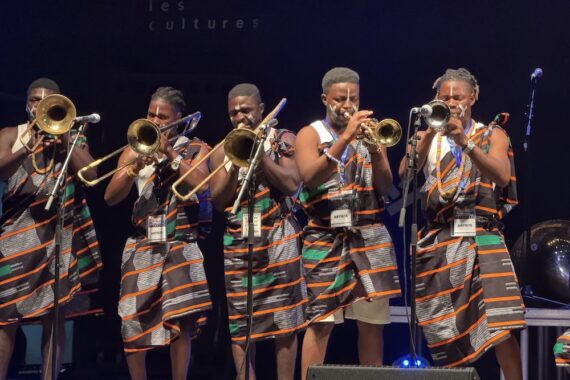
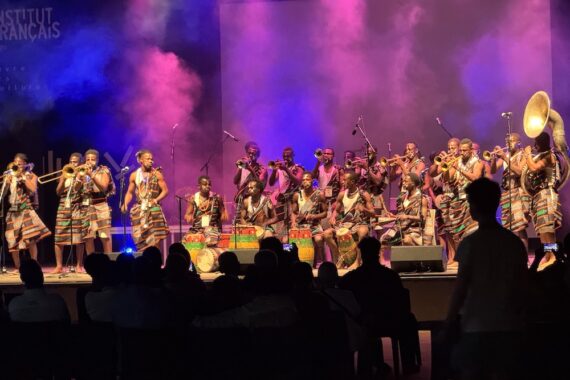
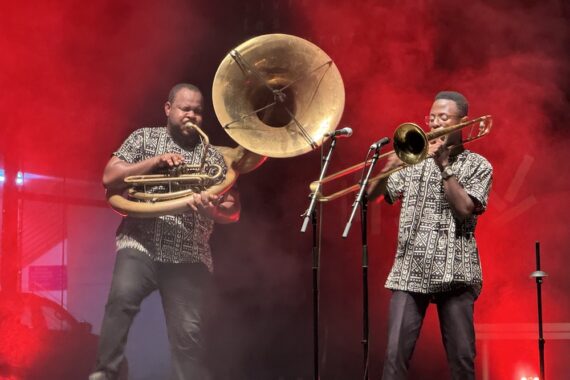
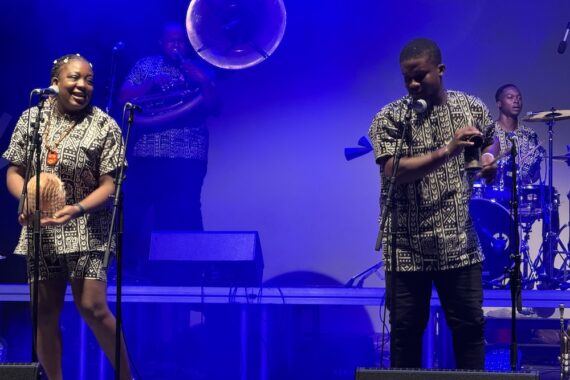
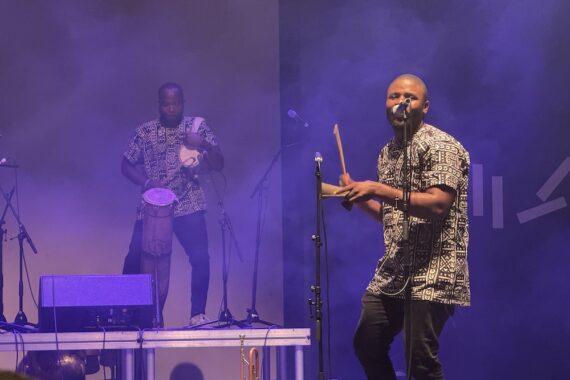
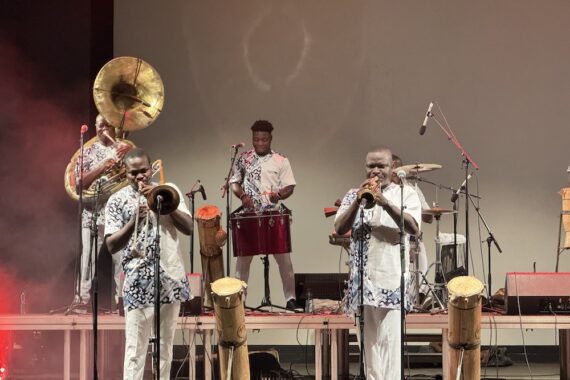
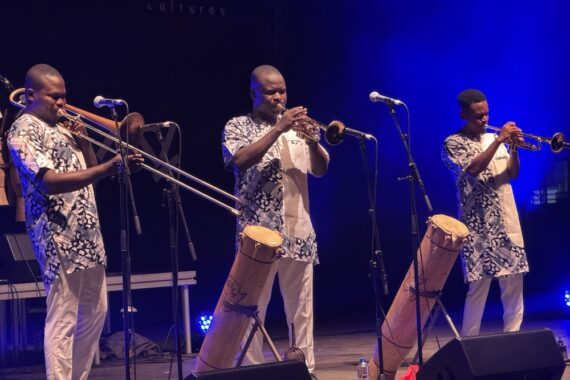
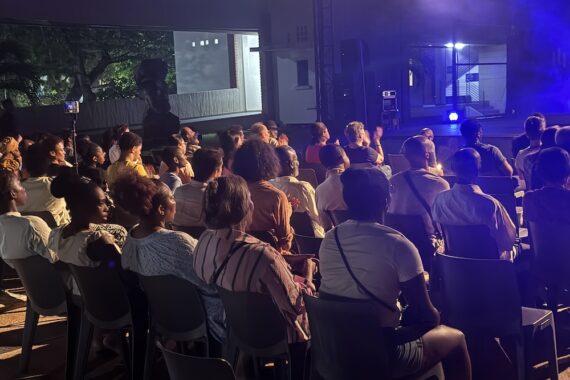
At the Togo Jazz Festival 2026, the “Brass Vibes” concert, held at the Institut Français du Togo, brought together three distinctive ensembles—MGG Brass Band, Assia Brass Band, and Kale Brass Band—for an evening celebrating both tradition and experimentation in West Africa’s evolving brass culture.
Opening the night, MGG Brass Band set a reflective tone with a performance rooted in musical heritage. Their approach leaned toward reinterpretation rather than reinvention, drawing on familiar traditional motifs and reshaping them through layered horn arrangements.
The ensemble’s strength lay in its cohesion: tight harmonies, disciplined transitions, and a measured build that gradually drew the audience into its sonic world. Rather than overwhelming the audience with spectacle, MGG opted for subtlety and control, offering a set that felt both respectful of the past and quietly contemporary.
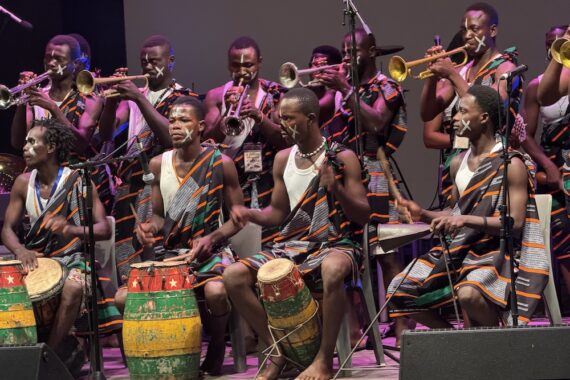
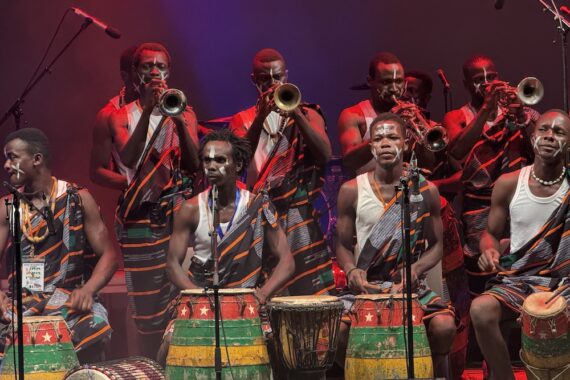
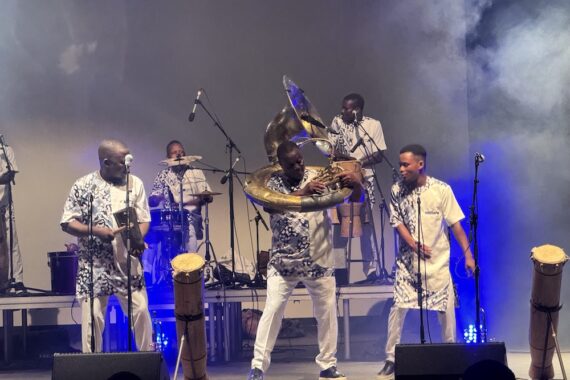
Kale Brass Band delivered the most eclectic and high-octane set of the night. Their sound, an infectious blend of vodou rhythms, jazz phrasing, and funk sensibilities, transformed the stage into a pulsating space of rhythm and motion.
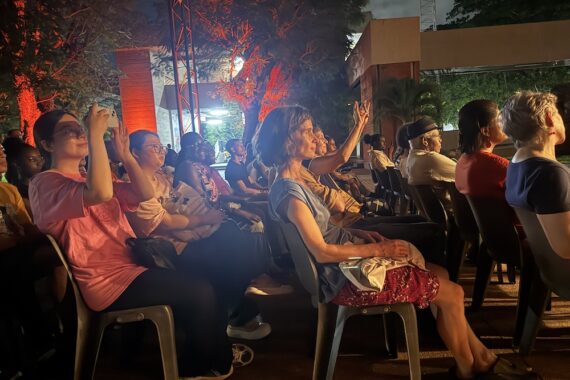
Unlike the more restrained opening act, Kale embraced theatricality—band members moved freely, interacting with one another and the audience, transforming the performance into a communal experience. Their ability to shift from hypnotic, trance-like grooves to explosive, brass-driven climaxes demonstrated both versatility and confidence.
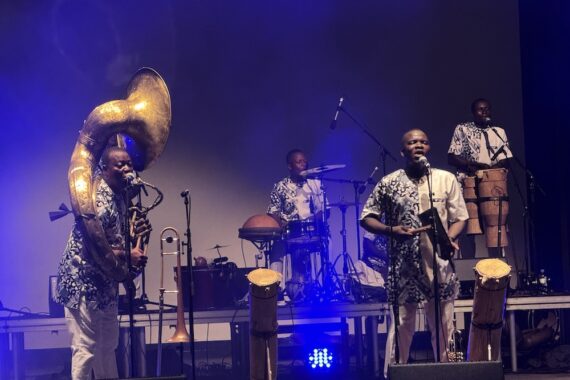
Assia Brass Band followed, bringing a noticeable shift in energy. The Benin-based group injected the evening with vibrancy and urgency, immediately commanding attention with sharp brass accents and a confident stage presence. Their set thrived on contrasts—fast-paced passages collided with slower, groove-heavy moments, creating a dynamic push-and-pull that kept the audience engaged.
Precision was central to their performance, but so was flair; synchronized movements and expressive delivery elevated their music beyond sound, transforming it into a visual experience. It was a performance that balanced technical finesse with crowd-pleasing vitality.
Together, the three bands offered a compelling cross-section of contemporary brass expression across the region. From MGG’s rooted introspection to Assia’s polished dynamism and Kale’s genre-blurring exuberance, the evening underscored the richness and diversity of West Africa’s brass tradition.
More than just a concert, “Brass Vibes” became a statement: that brass music here is not static but alive—constantly negotiating among history, innovation, and performance energy.


