

By John Owoo
(Abidjan – Côte d’Ivoire)
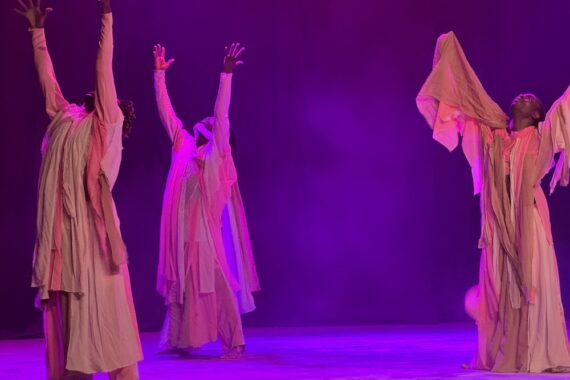
Boys and I, a compelling work by the Nigerian multidisciplinary company Adila Dance, offers a thoughtful and physically engaging interrogation of masculinity in contemporary society.
Rooted in an accessible yet layered choreographic language, the piece, which was performed at Salle Kodjo Ebouclé as part of MASA 2026, occupies the intersection of personal introspection and collective questioning, inviting audiences to reconsider entrenched social norms.
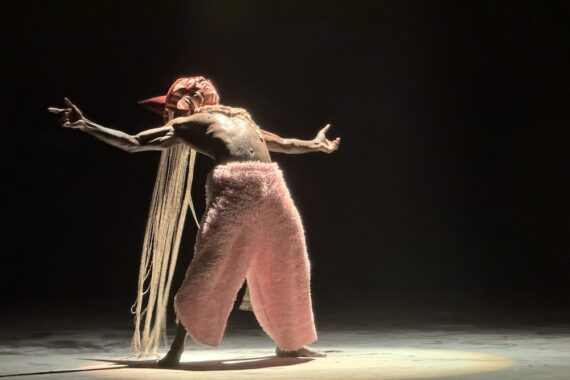
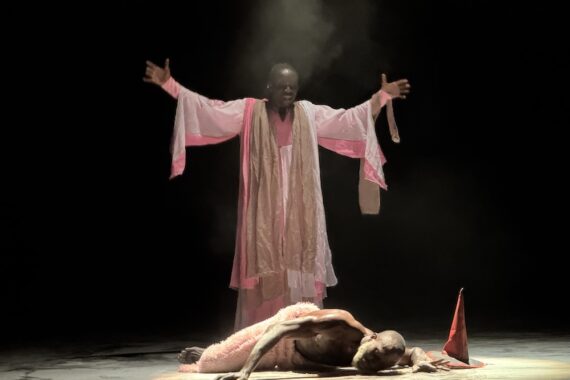
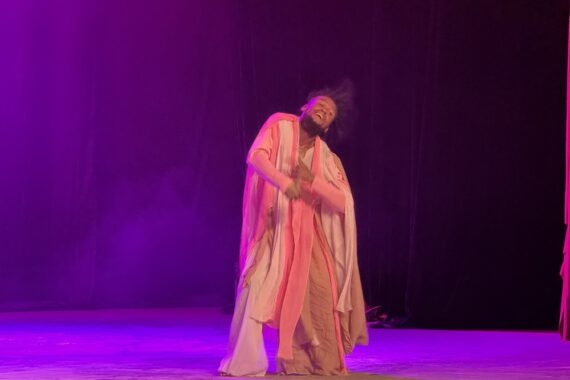
Undeniably, the work unfolds as a series of intimate, shifting portraits that explore the complexities of male identity. From the outset, the performers command attention with movement expressions that oscillate between strength and vulnerability.
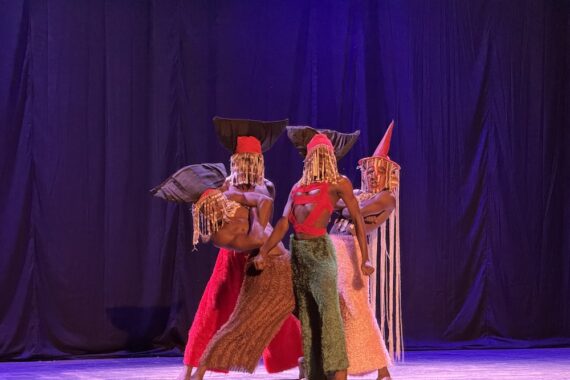
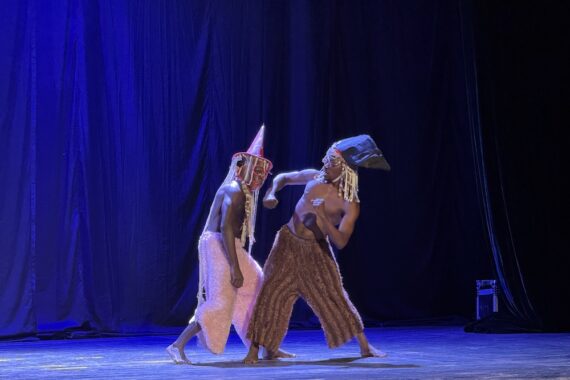
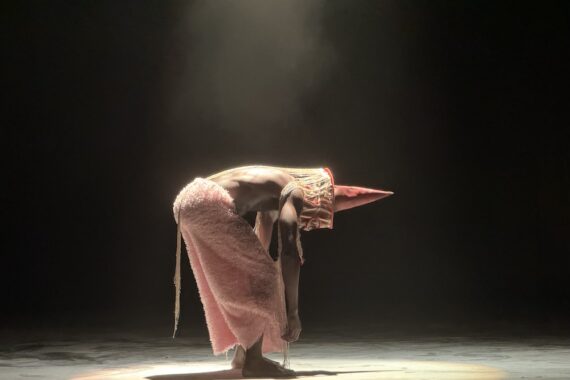
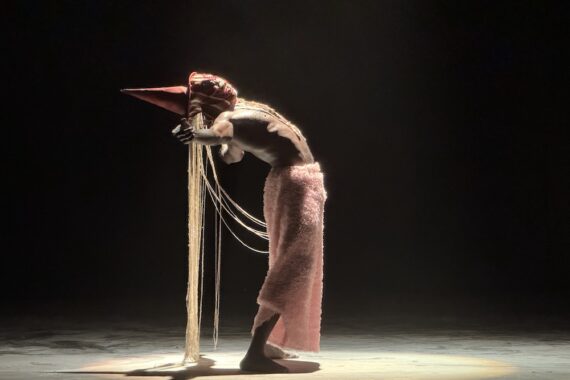
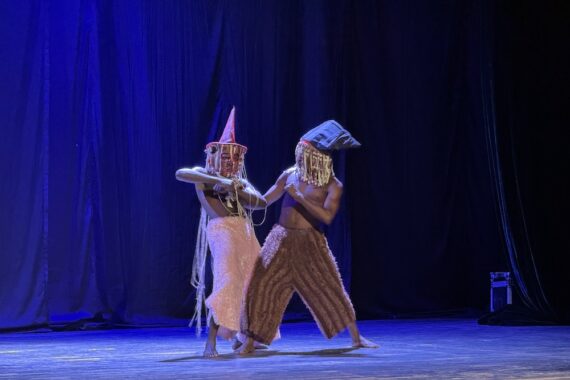
Covered in face masks in parts of the production, their bodies become sites of tension—at times rigid and controlled, at others fluid and yielding—reflecting the internal conflicts that often accompany socially constructed expectations of masculinity.
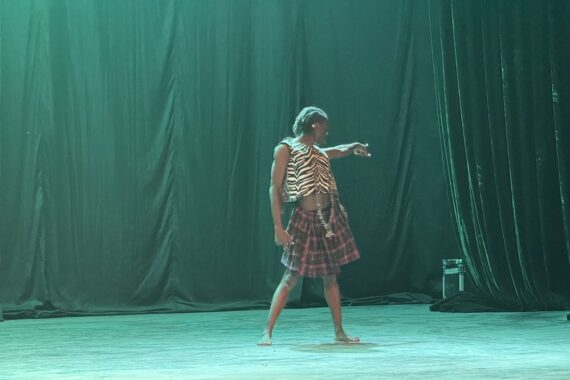
What stands out in Boys and I is its refusal to settle into a single narrative. Instead, the choreography builds a mosaic of experiences, in which moments of confrontation dissolve into sequences of introspection.
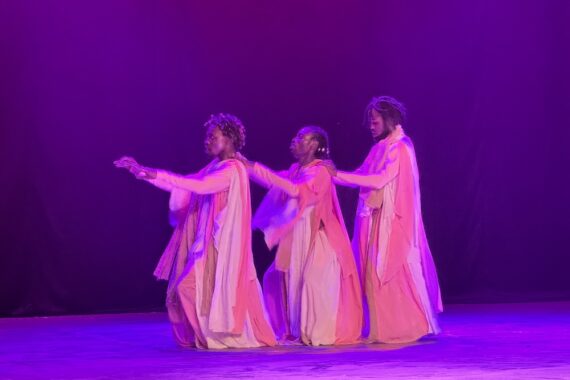
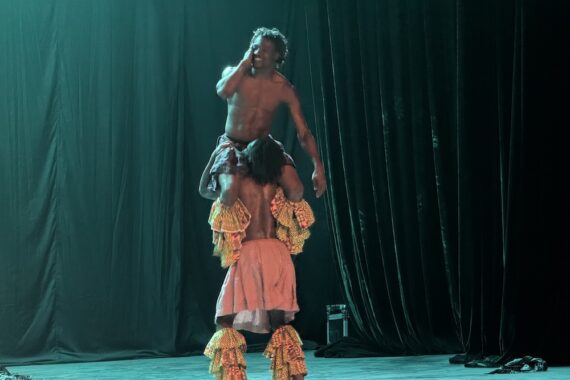
The dancers engage in subtle yet powerful interactions, sometimes supporting one another and at other times pushing against invisible boundaries. These exchanges evoke the pressures of conforming to dominant ideals while yearning for authenticity and emotional freedom.
The staging remains minimal, keeping the focus squarely on the performers and their physical storytelling. This simplicity proves effective, creating an intimate atmosphere in which each gesture and expression resonates deeply. The use of rhythm and silence further enhances the piece’s emotional texture, with pauses carrying as much weight as movement.
Adila Dance’s commitment to cultural democratization is evident in the work’s accessibility. Although the themes are complex, the performance avoids abstraction for its own sake, grounding its ideas in relatable human experiences. The result is a piece that speaks across cultural and social divides, prompting audiences to reflect on their perceptions of gender and identity.
Ultimately, Boys and I succeeds as both an artistic and a social statement. It challenges without alienating and provokes without prescribing answers. By creating a space where vulnerability is not only allowed but embraced, the work opens a meaningful dialogue about what it means to be a man in today’s world. It is a poignant reminder that identity is not fixed but continually shaped through reflection, resistance, and connection.


