

By John Owoo
(Abidjan – Côte d’Ivoire)
Salle Lougah François (Palais de la Culture) was literally set ablaze as ZO! Mute unfolded as a compelling double bill that brought together two of South Africa’s most respected choreographic voices, Vincent Sekwati Mantsoe and Gregory Maqoma.
The evening-length work probed the human condition through a striking interplay of ritual, rhythm, and silence, offering a performance that was as spiritually charged as it was physically demanding.
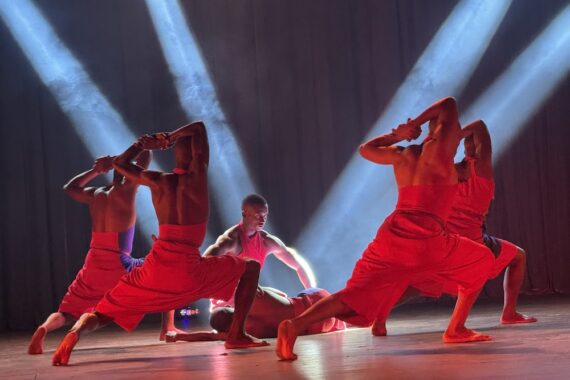
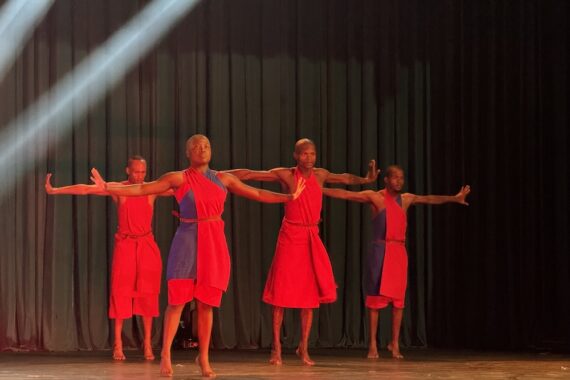
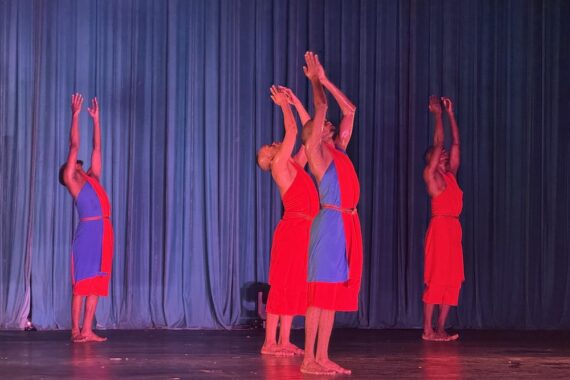
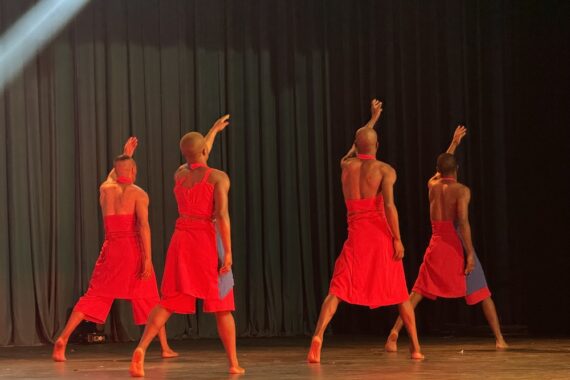
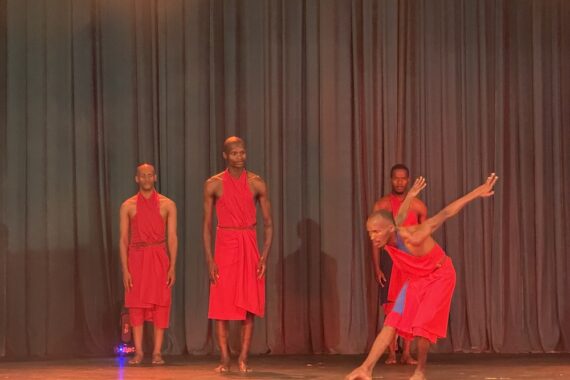
Performed by six dancers, the piece opened with a commanding visual presence: bodies clad in red costumes moved with both unity and individuality, establishing a tension between collective identity and personal struggle. The choreography quickly immersed the audience in a world where movement became language—at times exuberant and forceful, at others restrained and meditative.
The use of body percussion and rhythmic breathing created an almost hypnotic atmosphere, reinforcing the work’s deep connection to indigenous South African traditions while maintaining a contemporary sensibility.
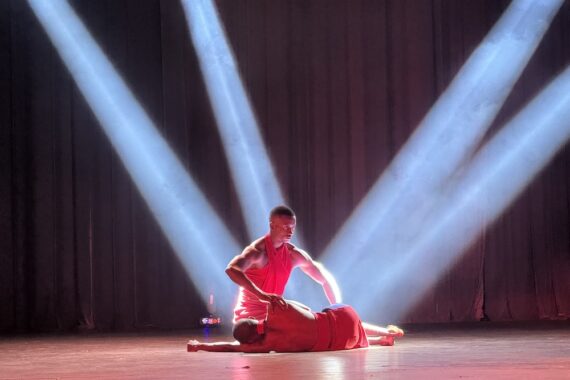
Mantsoe’s ZO! drew from the mythic figure of Queen ZO, embodying a complex duality of grace and destruction. This duality was vividly expressed through sharp contrasts in movement—fluid, expansive gestures would abruptly give way to grounded, almost violent physicality.
The dancers navigated themes of greed, despair, and vulnerability with intensity, their bodies articulating the fragile line between power and collapse. Elements of street dance blended seamlessly with ritualistic motifs, grounding the work in both urban and ancestral realities.
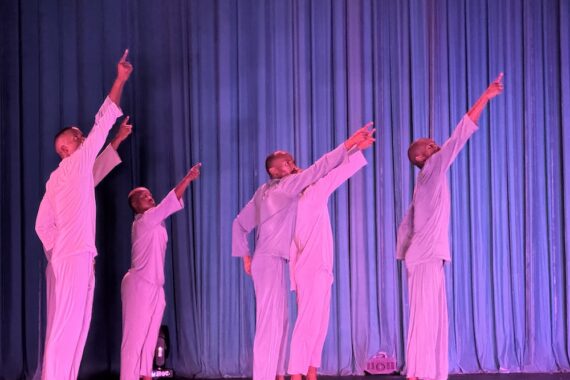
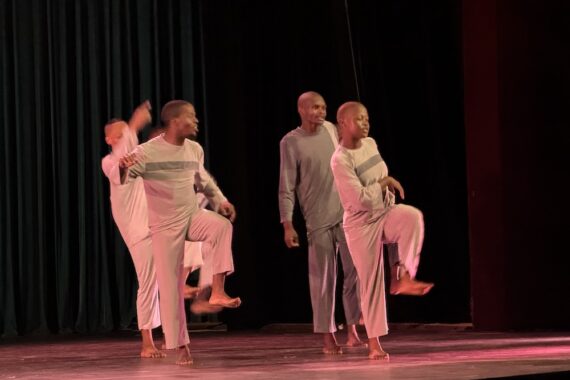
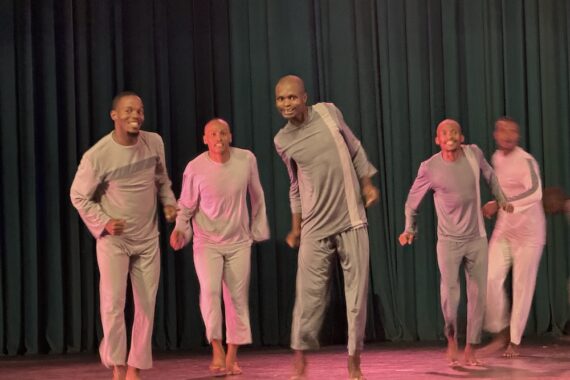
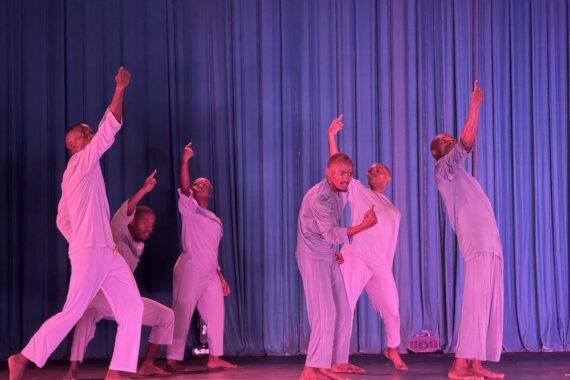
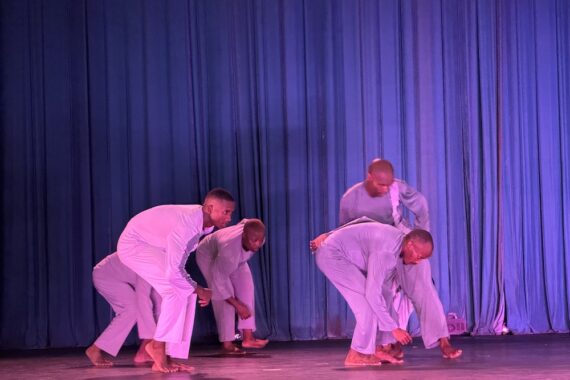
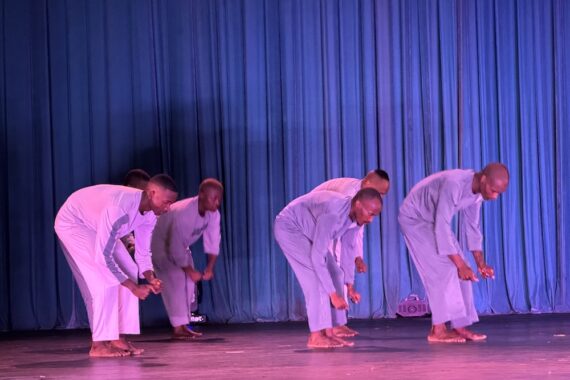
In contrast, Maqoma’s Mute shifted the tone inward, engaging silence as both a thematic and structural device. Here, the choreography leaned into stillness and minimalism, allowing small gestures to resonate with profound emotional weight.
The dancers seemed to carve meaning out of absence, suggesting that silence itself can be a powerful form of expression. As the piece progressed, movement gradually reclaimed space, symbolizing a breaking of silence and the reclaiming of agency.
A costume change between the two parts subtly marked this transition, signaling a shift not only in aesthetic but in philosophical inquiry. While ZO! confronted the chaos of human impulses, Mute searched for the possibility of renewal—questioning whether a future can emerge from loss and decay.
Together, ZO! Mute offered a layered and thought-provoking performance that balanced raw physicality with spiritual introspection. It was a work that demanded attention, not through spectacle alone, but through its unwavering commitment to exploring the depths of human experience.


Amazing chemistry between dancers and choreographers because everything make the combination of telling powerful stories.