










By John Owoo
(Lomé – Togo)
Each year, when the stage lights come alive in Lomé for Les Afropéennes, the impact extends far beyond music. The festival, hosted in the Togolese capital, has steadily evolved into both a cultural highlight and an economic driver, with growing influence on tourism in Togo.
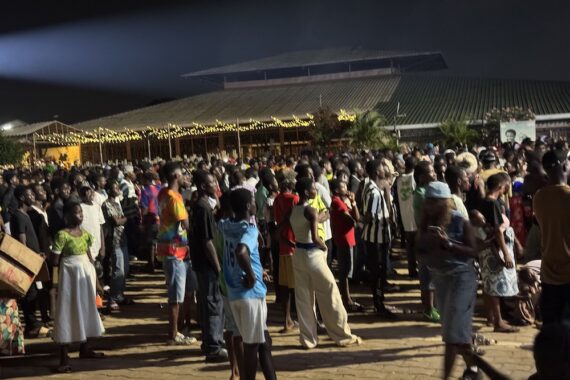
Held at venues including the Marché Moderne de Cacavéli-Agoè and the Institut Français du Togo, Les Afropéennes brings together artists from across Africa, Europe, and the diaspora. What began as a cultural exchange platform has matured into a significant event on the region’s arts calendar — drawing thousands of spectators and stimulating activity across multiple sectors of the local economy.
During festival days, Lomé experiences a noticeable surge in commercial activity. Hotels accommodate visiting artists, technical teams, and regional travellers. Restaurants, bars, and food vendors record increased patronage, particularly in areas surrounding event venues. Taxi drivers and motorcycle transport operators benefit from higher demand as audiences move across the city for performances.
Small-scale traders and artisans also tap into the festival’s audience. From fashion and crafts to music merchandise, the event creates a temporary but impactful marketplace that injects cash directly into local hands. For many vendors, cultural events like Afropéennes represent critical opportunities to generate income.
Beyond consumer spending, the festival contributes to job creation. Event production requires sound engineers, stage designers, security personnel, lighting technicians, and media crews. While many of these roles are temporary, they provide valuable employment and professional exposure, particularly for young people working within Togo’s growing creative industries.
Importantly, Afropéennes also strengthens the local music ecosystem. By offering platforms such as open-mic sessions and emerging-artist showcases, the festival nurtures talent and expands professional networks. For Togolese musicians, performing alongside international acts increases visibility and opens doors to collaborations beyond national borders.
From a tourism perspective, Afropéennes is gradually positioning Lomé as more than just a coastal or transit destination. The festival attracts regional visitors from neighbouring West African countries as well as European cultural enthusiasts interested in Afro-diasporic artistic exchange.
Cultural festivals play a crucial role in destination branding, and Afropéennes helps shape Togo’s image as a dynamic creative hub. The international partnerships behind the festival, including collaboration with European cultural institutions, further reinforce Lomé’s visibility on global arts circuits.
As attendance continues to grow, the potential for increased cultural tourism becomes even more significant. Festivals often serve as entry points for first-time visitors who may later return for leisure, heritage exploration, or business opportunities.
The broader economic impact lies in the ripple effects. Consistent cultural programming encourages improvements in event infrastructure and hospitality services, fosters investor confidence in the creative sector, and strengthens Togo’s cultural diplomacy.
For Togo, Afropéennes represents more than a weekend of music. It is a strategic cultural asset — one that stimulates spending, supports livelihoods, promotes talent development, and enhances the country’s tourism appeal.
As the festival expands in scope and reputation, its role in shaping Lomé’s economic and cultural landscape is becoming increasingly clear: when culture thrives, so too does the city around it.


