
Latest
  • visit www.artsghana.net for information on the arts
  • visit www.artsghana.net for information on the arts

Arts Ghana

MENU
  • Home
  • About Us
  • Upcoming Events
  • Latest News
  • Artistes Database
  • Archives
  • Links
  • Contact Us
  • Music
  • Dance
  • Theatre
  • Literature
  • Visual Arts
  • Film
  • Fashion
  • You Tube
  • Facebook
  • June 25, 2026 • 67

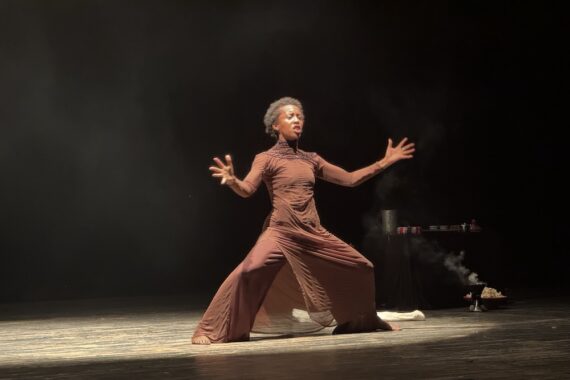
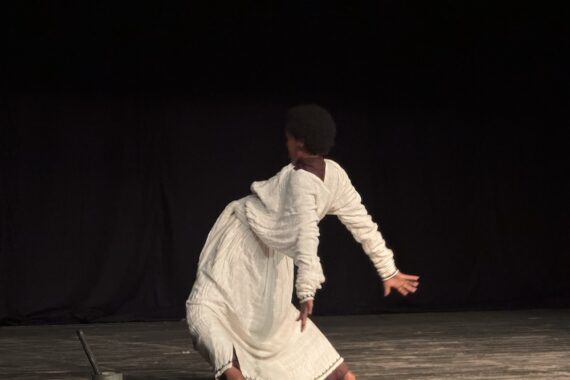
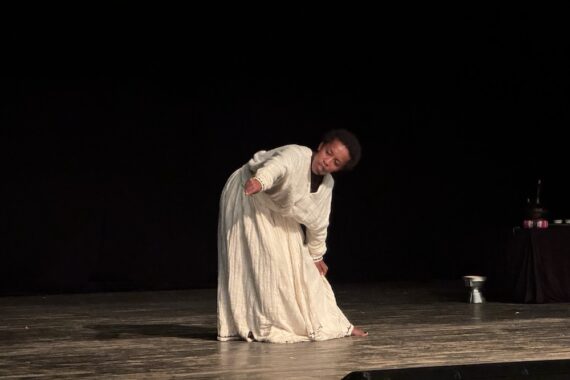
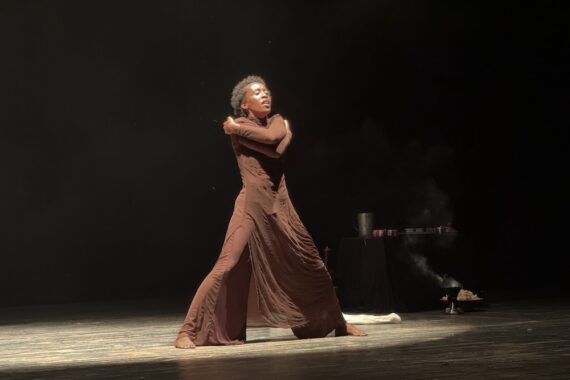
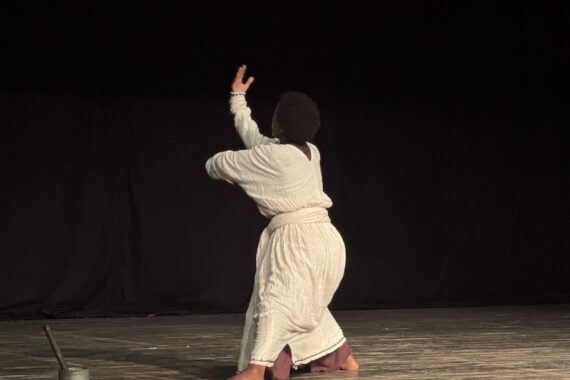
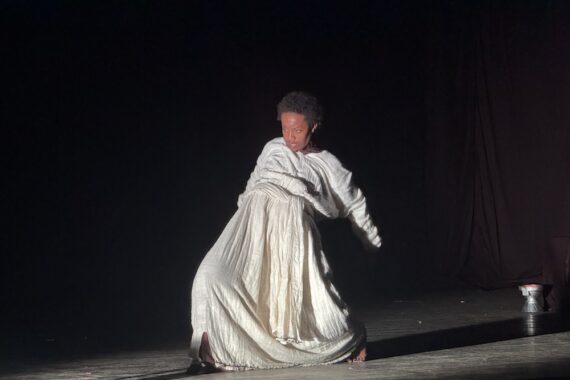
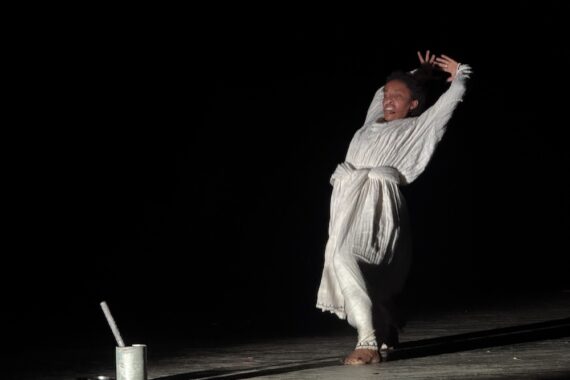
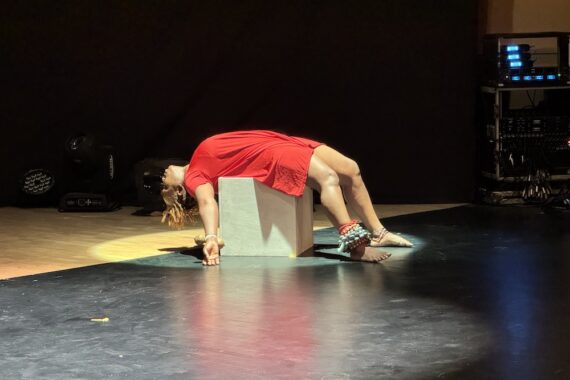
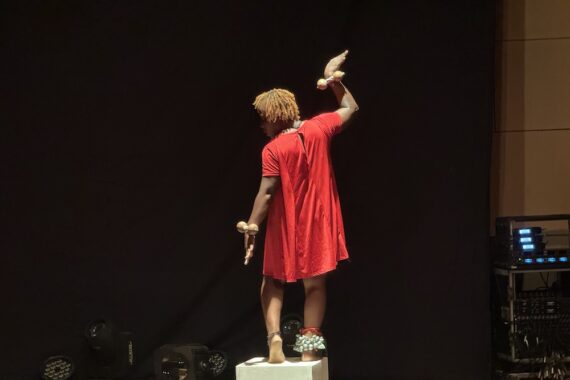
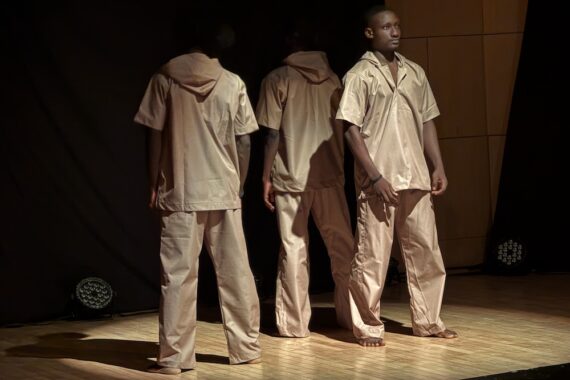
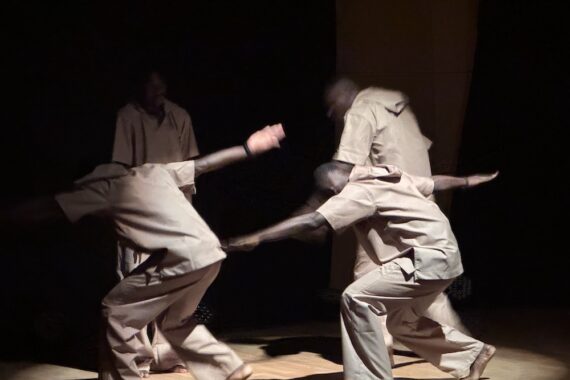
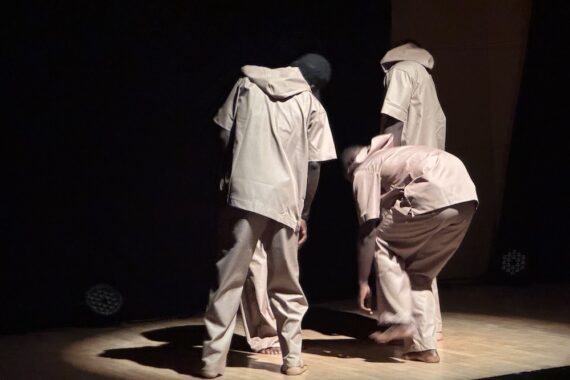
    Echoes of slavery resound at Christiansborg Castle

  • June 10, 2026 • 322

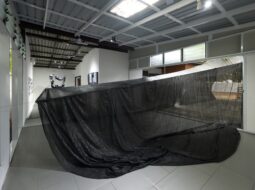
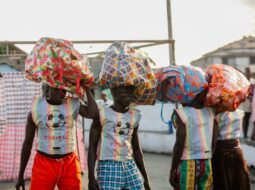
    Five artists map memory, mobility, and material realities

  • June 5, 2026 • 504

    Sweeping landscapes and still-life compositions

  • May 29, 2026 • 503

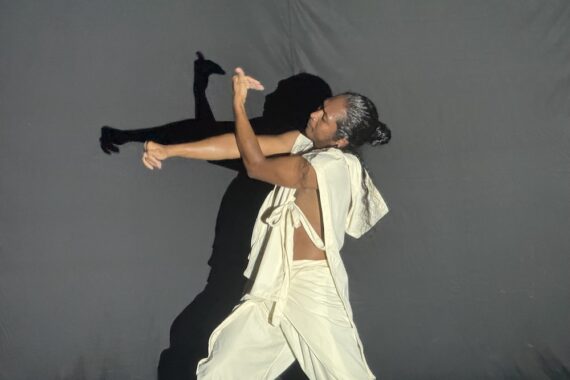
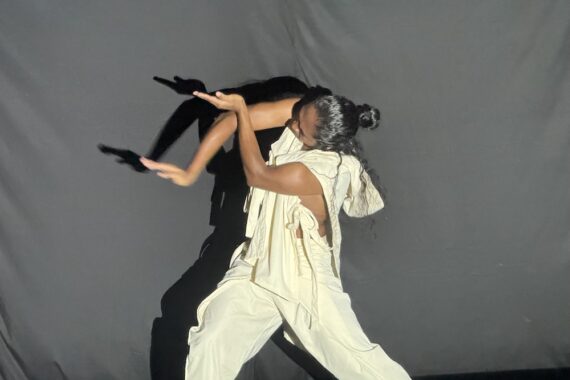
    Mirrors, layered exposures, shadows, and interruptions

  • May 13, 2026 • 629

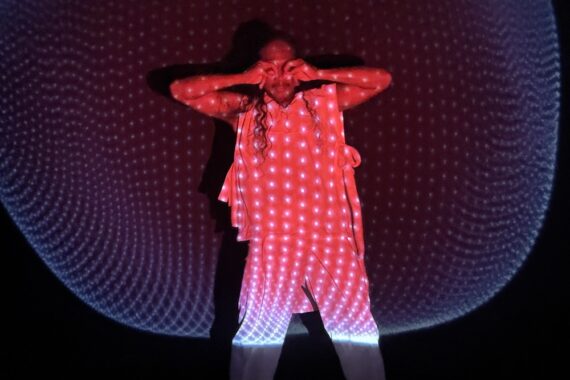
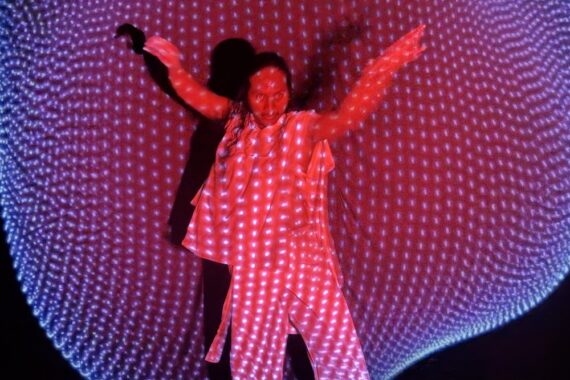
    Fabrics transformed into an immersive meditation on memory

  • May 7, 2026 • 725

    Discarded clothing transmutes into monumental gestures

  • May 6, 2026 • 578

    Artist reflects on the anxieties of contemporary life

  • May 4, 2026 • 558

    Senegalese artist Caroline Gueye in Venice

  • May 1, 2026 • 751

    Poems by Dr. Anas Atakora in retrospect

  • April 28, 2026 • 555

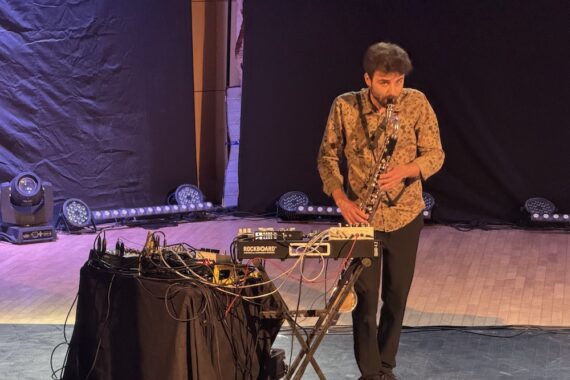
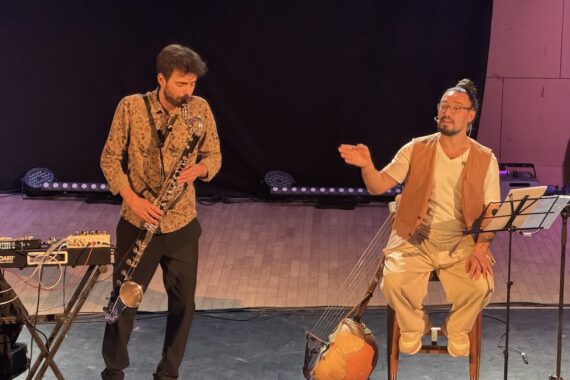
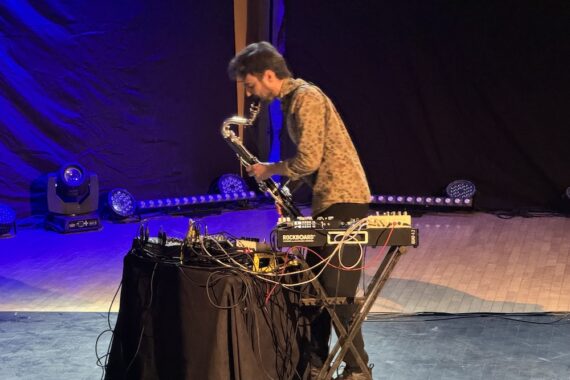
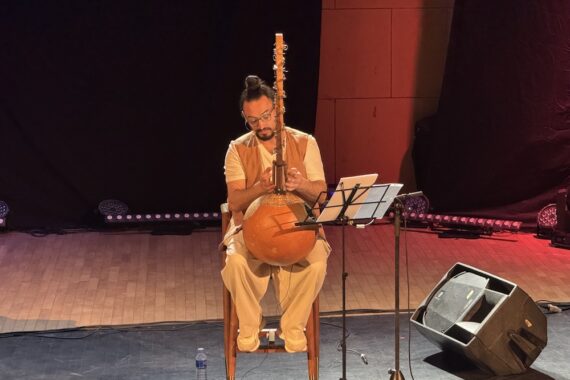
    Festival reaffirms Togo as a jazz hub

  • Amazigh Roots and Global Rhythms rock Agadir

    December 22, 2025 • FeaturedArticle, News • 912

    By John Owoo

    (Agadir – Morocco)

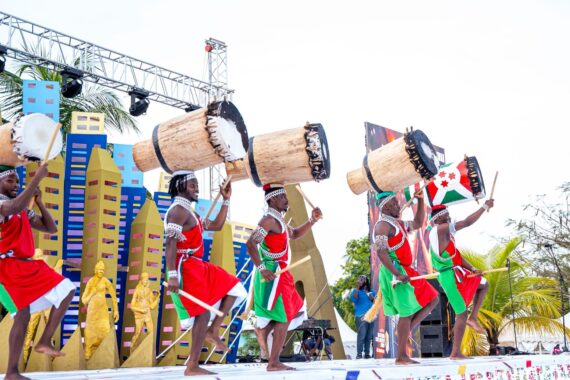
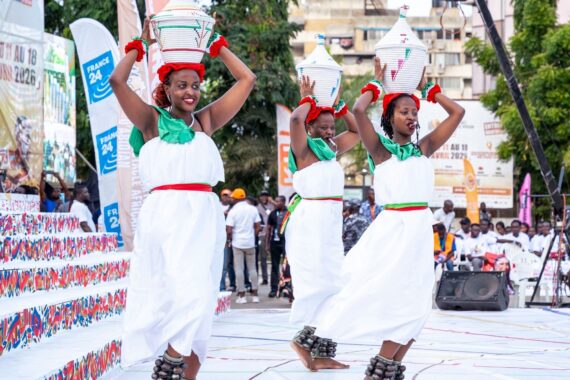
    The 2025 edition of Timitar Music Festival once again affirmed Agadir’s status as one of North Africa’s most vibrant cultural crossroads, transforming the city’s central public squares into a pulsating arena of sound, movement, and shared identity.

    Authentic to its enduring theme, “Signs and Cultures,” Timitar Festival delivered a powerful celebration of Amazigh heritage while embracing a rich spectrum of global musical expressions.

    Initiated by the Agadir Souss-Massa regional council as a cultural meeting point for Amazigh artists and world musicians, Timitar has grown into one of Morocco’s most inclusive festivals.

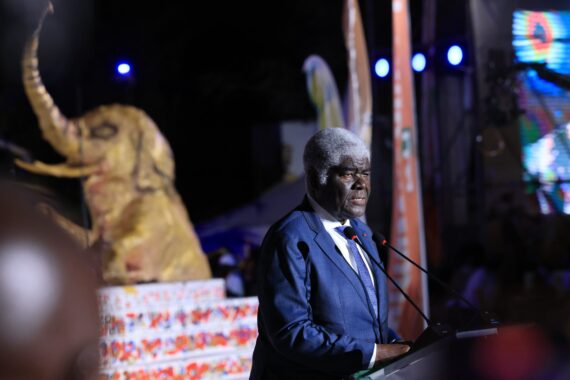
    Under the presidency of Aziz Akhennouch and the artistic direction of Brahim El Mazned, the festival continues to stand out for its commitment to free access, cultural diversity, and creative excellence—values fully evident in 2025.

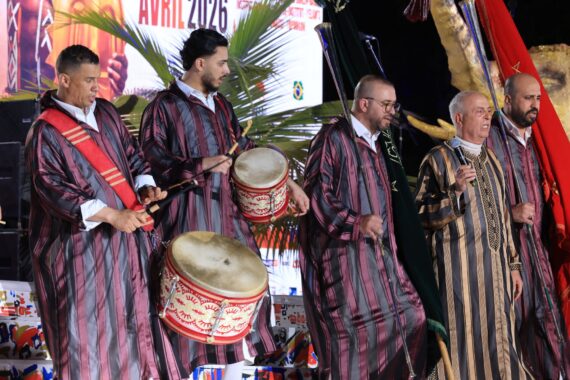
    Thousands of music lovers filled Agadir’s main square and Théâtre Verdure nightly, drawn by the festival’s electrifying atmosphere and the promise of discovery. Traditional Amazigh instruments and melodies resonated alongside contemporary interpretations, underscoring the festival’s commitment to honoring heritage without freezing it in time.

    Among the standout performances were Amazigh group AZA, Marwa Naji, Hicham Temoudi Orchestra, Gabonese star Shan’L, and Mozambican artist Isabel Novella, whose appearances injected fresh energy into the program. Shan’L captivated audiences with her bold stage presence and empowering messages, blending Afro-pop rhythms with themes of female strength and self-assertion.

    AZA mesmerized the audience with a rich fusion that wove Amazigh musical traditions into the textures of jazz, blues, and funk. Strokes from Telmoudi’s violin revealed a new texture, transforming the instrument into a vessel for Moroccan rhythms and melodies rarely associated with its sound. Indeed, the performance felt intensely personal—at times declarative, at others enigmatic—elevating music into a language of shared feeling.

    By contrast, Novella offered a more introspective yet equally compelling set, weaving cultural depth and emotional nuance into her performance. Both artists were warmly received, reinforcing Timitar’s reputation as a platform where African voices from across the continent resonate.

    The festival’s celebratory mood reached an emotional peak when news broke of Morocco’s victory over Jordan in the 2025 Arab Football Cup. The spontaneous eruption of cheers, songs, and dance blurred the line between a music festival and a national celebration, underscoring Timitar’s deep connection to Moroccan collective life.

    Beyond the stages, Timitar remained a whole sensory experience. The cool Atlantic breeze, the aroma of freshly grilled seafood, and the sight of colorful costumes weaving through the crowds added layers to the festivities, transforming each evening into a communal ritual rather than a mere concert.

    With a legacy of performances by icons such as Youssou N’Dour, Alpha Blondy, Salif Keita, and Rokia Traoré, Timitar 2025 upheld its status as a festival where Amazigh culture meets the world—not as a spectacle, but as a living, evolving conversation.

    Pictures – Timitar Music Festival   

    Read More »
  • Marwa Naji and Telmoudi Orchestra Bridge Memory and Modernity

    December 19, 2025 • FeaturedArticle, News • 725

    By John Owoo

    (Agadir – Morocco)

    The Timitar Music Festival 2025 offered one of its most emotionally charged moments with the performance by Egyptian vocalist Marwa Naji alongside the Hicham Telmoudi Orchestra at the Théâtre Verdure in downtown Agadir.

    Set against the festival’s celebration of Amazigh and world music, the evening unfolded as a dialogue among tradition, virtuosity, and contemporary reinterpretation. At the heart of the performance was conductor and violinist Hicham Telmoudi, whose refined musical direction anchored the orchestra with sensitivity and precision.

    Telmoudi demonstrated a rare ability to balance discipline and freedom, guiding the ensemble through intricate arrangements that remained faithful to the spirit of classical Arabic music while embracing innovation. His leadership ensured cohesion, allowing each musical phrase to breathe while preserving its emotional gravity.

    Telmoudi’s violin work stood out as a defining feature of the night. Moving beyond conventional expectations for the instrument, he took the audience on a sonic journey across Morocco, weaving together unfamiliar rhythms, scales, and beats. Drawing on diverse traditional styles, including Deka Marrakchya, Issawa, Al Aita Jablya, Soussi scales, and Sheraoui influences, Telmoudi seamlessly fused these musical languages with the violin. 

    Each stroke revealed a new texture, transforming the instrument into a vessel for Moroccan rhythms and melodies rarely linked to its sound. Indeed, the performance felt intensely personal—at times declarative, at others enigmatic—elevating music into a language of shared feeling.

    Equally commanding was Marwa Naji, whose sumptuous, powerful voice filled the space with authority and grace. Known for her operatic background and her rise to prominence as a finalist on The Voice, Naji demonstrated remarkable control and emotional intelligence.

    Together, Naji and Telmoudi crafted a performance that transcended nostalgia. Their collaboration transformed memory into motion, inviting the audience not only to listen but also to feel. Undeniably, at Timitar 2025, the concert stood as a testament to the enduring power of musical heritage when reimagined with respect, courage, and artistic vision.

    Read More »
  • AZA Electrifies Timitar with a Celebration of Amazigh Heritage

    December 19, 2025 • FeaturedArticle, News • 719

    By John Owoo

    (Agadir – Morocco)

    The Timitar Music Festival in Agadir once again affirmed its reputation as a global meeting point for tradition and modernity when Moroccan band AZA took the stage yesterday with a performance that was both deeply rooted and expansively contemporary.

    From the opening notes, the group mesmerized the audience with a rich fusion that wove Amazigh musical traditions into the textures of jazz, blues, and funk. Led by seasoned Moroccan musician Fattah Abbou, the group’s performance was marked by confidence, warmth, and an unmistakable sense of purpose.

    Drawing on the rhythmic vitality of Ahwash, the poetic storytelling of Rwais, and the trance-inducing grooves of Gnawa, the band crafted a soundscape that felt both ancestral and strikingly modern. Each composition unfolded patiently, allowing traditional melodies to converse freely with improvisational passages and contemporary harmonies.

    Indeed, the atmosphere at Théâtre Verdure was electric. As percussive beats rippled through the crowd, bodies swayed instinctively, while moments of quiet introspection were met with attentive silence. The band’s musicianship was impeccable, with tight arrangements balanced by expressive solos that showcased their jazz and blues influences.

    What distinguished AZA’s performance was not only its technical finesse but also its emotional sincerity. Abbou, visibly at ease on stage and constantly smiling, guided the ensemble with subtle gestures, creating space for each musician to shine while maintaining a strong collective identity.

    Undeniably, the band’s commitment to preserving and reimagining Amazigh culture was palpable. Their music treated tradition not as a museum artifact but as a living, breathing force capable of dialogue with global sounds. In doing so, they embodied the very spirit of the Timitar Festival: a celebration of Amazigh identity that is open, evolving, and proudly connected to the world.

    As the final notes faded and applause filled the cold night air, it was clear that AZA had delivered more than a concert. They offered a powerful reminder of music’s power to bridge generations, cultures, and geographies — affirming Amazigh heritage as both timeless and forward-looking.

    Pictures – Timitar Music Festival

    Read More »
  • Alpha Blondy reflects on humanity and reggae

    December 19, 2025 • FeaturedArticle, News • 853

    By John Owoo

    (Agadir – Morocco)

    Ivorian reggae icon Alpha Blondy used his appearance at the ongoing Timitar Music Festival to reflect on humanity, culture, and the enduring relevance of reggae music, offering philosophical insights drawn from decades of artistic and personal experience.

    Speaking to journalists at the plush Hilton Hotel, the veteran musician described himself as a “simple village child,” grounding his global success in modest beginnings. For Blondy, fame does not redefine heroism. Instead, he insisted that true heroes are the audiences who sustain artists through their loyalty and presence. “Without the public, an artist has no value,” he noted, underscoring the reciprocal bond between performer and listener.

    Blondy also highlighted linguistic diversity as central to his music. Known for blending multiple languages in his songs, the reggae legend explained that multilingualism helps him reach wider audiences across borders and cultures. According to him, language is not merely a tool of expression but a bridge for mutual learning and self-discovery, allowing people from different backgrounds to recognize themselves in shared human experiences.

    The artist reserved special praise for Morocco, a country he credits with playing a crucial role in the early stages of his career. Blondy expressed gratitude to the North African nation, noting that Morocco contributed significantly to his international breakthrough. Beyond music, he acknowledged the country’s diplomatic role in helping stabilize the political situation in Côte d’Ivoire, underscoring Morocco’s broader influence in the region.

    Regarding the future of reggae, Blondy dismissed claims that the genre is fading or outdated. He maintained that reggae remains an enduring form of expression as long as injustice, poverty, and war persist worldwide. Rooted in spirituality, he described God as the “backbone” of reggae, framing the music as both a form of resistance and a moral compass.

    Addressing contemporary debates, Blondy also shared his thoughts on artificial intelligence. He rejected the notion of AI as alien or unnatural, describing it instead as a natural product of the human brain. In his view, technological advancement is part of humanity’s ongoing evolution, designed to extend human capacity rather than replace it.

    Read More »
  • Female musicians show class at Timitar Festival

    December 18, 2025 • FeaturedArticle, News • 665

    By John Owoo

    (Agadir – Morocco)

    Théâtre de Verdure, a huge amphitheatre located in the centre of Agadir, came alive last night as two compelling female voices from Africa—Shan’L of Gabon and Isabel Novella of Mozambique—delivered contrasting yet complementary performances at the 2025 edition of the Timitar Music Festival.

    Shan’L took to the stage with the confidence and charisma that have made her one of Central Africa’s most visible contemporary pop figures. Backed by tight rhythms and polished production, she commanded attention from the opening note, blending dance-driven hits with moments of personal storytelling.

    Known for her strong online presence and advocacy for women’s empowerment, Shan’L carried that same message into her live performance. Between songs, she spoke about resilience, self-worth, and female solidarity, drawing warm applause from the audience.

    Her performance balanced spectacle and sincerity. High-energy choreography and catchy hooks were interspersed with songs that highlighted vulnerability and strength, reinforcing her image not just as a pop star but as a voice for young women navigating identity and ambition.

    If Shan’L brought fire and flair, Isabel Novella followed with depth and quiet intensity. The Mozambican singer-composer offered a more introspective set rooted in African rhythms, soul, jazz, and traditional Mozambican musical forms.

    Isabel’s performance felt ceremonial at times, meditative at others. Her songs explored themes of love, healing, identity, and social transformation, carried by arrangements that fused acoustic textures with subtle contemporary influences.

    There was a palpable sense of honesty in her delivery, as though each song was an offering rather than a performance. The audience listened attentively, many visibly moved by the emotional clarity and spiritual undertones of her music.

    Together, Shan’L and Isabel Novella showcased the breadth of contemporary African womanhood in music—one bold and celebratory, the other reflective and soul-searching. Their performances at Théâtre de Verdure underscored Timitar’s commitment to diversity, dialogue, and the powerful presence of women artists shaping Africa’s musical future.

    Pictures – Timitar Music Festival

    Read More »
  • Alpha Blondy Ignites Timitar Festival

    December 18, 2025 • FeaturedArticle, News • 662

    By John Owoo

    (Agadir – Morocco)

    Calm winds from the Atlantic Ocean blew over Place Al Amal on the opening night of the 2025 Timitar Music Festival as thousands gathered in anticipation.

    When Alpha Blondy finally stepped onto the stage, the square erupted—hands shot into the air, voices rose in recognition, and the opening chords sent a visible ripple of excitement through the crowd. Undeniably, the Ivorian reggae icon wasted no time in asserting his presence, launching into a set that blended raw energy with seasoned control.

    Backed by a powerful live band, Blondy’s voice—gravelly yet commanding—cut cleanly through the night. Basslines throbbed against the chest, drums rolled steadily like a heartbeat, and guitar riffs shimmered under the stage lights. Despite his age, Blondy moved with striking agility, pacing the stage, gesturing emphatically, and locking eyes with the audience as if performing for each person individually.

    The crowd responded in kind. Familiar songs from generations past triggered waves of collective singing, clapping, and rhythmic swaying. Some danced with abandon, others stood still, eyes closed, mouthing lyrics that have long formed part of their personal and political memory. Among them were Ivorian students studying in Moroccan institutions, their flags draped over their shoulders, visibly proud and emotionally charged as they sang along.

    Between songs, Blondy slowed the tempo to speak directly to the audience. His voice softened, then sharpened, as he addressed global injustices, including the Israeli-Palestinian conflict. The festive atmosphere briefly turned contemplative; cheers gave way to attentive silence as he called on the United Nations to act decisively in the pursuit of peace. When the music resumed, it carried added weight—reggae not just as rhythm, but as resistance.

    As the night deepened, lights washed the stage in red, green, and gold, and the music rolled across Agadir’s open square, echoing off surrounding buildings. By the final notes, sweat glistened on faces both onstage and in the crowd, and the applause lingered long after Blondy exited.

    Alpha Blondy’s performance was not merely a nostalgic return but a vivid reminder of reggae’s enduring power to move bodies, stir memory, and confront the world’s unresolved tensions. With this electrifying opening night, Timitar 2025 began not just with sound, but with meaning.

    Photos – Timitar Music Festival

    Read More »
  • Reclaiming memories and metal

    December 16, 2025 • FeaturedArticle, News • 691

    By John Owoo

    (Accra – Ghana)

    Mariama Wɔ Ha, a solo exhibition by Ghanaian artist Moses Adjei that unfolds as a profoundly moving meditation on memory, labor, and dignity—while transforming the space into an archive of lived experience—is currently underway at the La Foundation for the Arts in Accra.

    Rooted in Adjei’s childhood as an orphan in Sodom and Gomorrah—one of Accra’s most stigmatized informal settlements—the exhibition connects personal history with urgent social commentary.

    Central to the work is the figure of kayayei—women head porters whose daily labor sustains urban economies while remaining largely invisible within them. Indeed, his practice does not sentimentalize their struggles; instead, it insists on recognition, emphasizing resilience as both subject and method.

    Curated by Rania Odaymat and presented in collaboration with The Beyond Collective, his sculptural series Apawa Coins anchors the exhibition. Working with discarded aluminum pans—tools of survival for the kayayei—the artist replaces the women’s worn vessels with new ones and carefully etches their faces into the old metal. 

    Using improvised tools made from scavenged nails, he infuses physical labor into each piece. The process is as meaningful as the final result: the rhythmic clang of metal evokes the soundscape of Sodom and Gomorrah, reminiscent of workshops, scrap yards, and markets where informal economies flourish.

    These transformed pans operate across multiple registers. They serve as portraits, objects, and historical documents that blur the lines between craft and fine art. By elevating utilitarian materials into sculptural forms, Adjei challenges established aesthetic hierarchies and questions who—and what—is considered worthy of preservation. 

    Visually restrained yet emotionally intense, Mariama Wɔ Ha avoids spectacle in favor of deep engagement. The works require time: to read the etched faces, to feel the weight of metal, to confront the social and material economies of extraction that support modern urban life.

    Ultimately, the exhibition presents art as a vessel for shared humanity. In Adjei’s hands, discarded metal becomes memory, loss becomes lineage, and seeing becomes an act of resistance. Mariama Wɔ Ha is not only a tribute to overlooked lives; it is a powerful argument for art’s ability to reclaim value where society has denied it.

    The exhibition concludes on Wednesday, February 11, 2026.

    Read More »
  • Murmur of ancestors – the past breathes back

    December 15, 2025 • FeaturedArticle, News • 589

    By John Owoo

    (Accra – Ghana)

    At Mix Art Gallery in Accra, The Revenants—a solo exhibition by Franco-Beninois artist Dimitri Fagbohoun—explores themes of memory, return, and ancestral presence.

    Curated by Essé Dabla-Attikpo, the exhibition features over 20 newly commissioned works and highlights Accra as a vital space for exploring diasporic ties and cultural inheritance.

    Fagbohoun, a France-based “third culture kid,” works in photography, sculpture, and installation. His practice is highly autobiographical, influenced by moving across borders and the conflicts that arise when geography, heritage, and identity intersect. 

    In The Revenants, these tensions are neither resolved nor softened; instead, they are highlighted as productive spaces for questioning how histories are remembered, misinterpreted, or erased. The exhibition’s premise is straightforward: what returns to us when memory is reclaimed? Fagbohoun explores this question through gestures familiar to many Africans in the diaspora and those undertaking journeys of return. 

    Indeed, ritual acts—such as adopting Akan day names, embracing local aesthetics, or inscribing symbols onto the body—appear throughout the exhibition as signs of rebirth rather than performance. These gestures serve as declarations of presence, indicating active engagement with ancestry rather than a nostalgic longing for it.

    Material and spatial strategies are key to shaping the exhibition’s impact. The artist’s installations are immersive yet not theatrical, pulling viewers into carefully crafted environments that promote reflection instead of spectacle. 

    His use of photography and sculpture challenges fixed narratives, instead presenting fragments that suggest layered histories and spiritual continuities. The works function as propositions, prompting viewers to rethink how identity and ancestral knowledge are framed in contemporary art discourse.

    Curator Essé Dabla-Attikpo describes the exhibition as a “call to unlearn,” challenging audiences, collectors, and institutions to reconsider inherited assumptions. Her claim that Vodun is “not fixed, tame, or easily understood” sets the tone for an exhibition that refuses to simplify. Instead of portraying belief systems as unchanging traditions, The Revenants emphasizes their dynamism and relevance today.

    Ultimately, The Revenants positions itself as a space for dialogue rather than resolution. It invites viewers to examine their own connections to diaspora, history, and native belief systems, while recognizing the discomfort that such questioning might cause. In Accra—a city long associated with return and remembrance—Fagbohoun’s exhibition presents a timely and thoughtful reflection on what it genuinely means to reclaim memory today.

    The exhibition, which Adetoye Aguessy supported, ends on Tuesday, January 6, 2026.

    Read More »
  • Abafa(ba)zi – A subtle architecture of African feminism

    December 14, 2025 • FeaturedArticle, News • 690

    By John Owoo

    (Accra – Ghana)

    Abafa(ba)zi (Those Who Die Knowing) is an ambitious, continent-wide exhibition of photos and videos that highlights African women’s lived experiences as sources of knowledge, resistance, and feminist practice. Instead of viewing feminism as a fixed ideology, the exhibition portrays it as something embodied—embedded in everyday life, language, spirituality, and community memory.

    Currently on display at the Foundation for Contemporary Art in Accra, it highlights African women as active agents shaping their own stories across generations. The artworks on view reveal how women navigate family roles, social expectations, and spiritual duties while asserting independence and self-definition. Through photography, mapping, vessels, and spatial design, the exhibition provides intimate insights into stories often unnamed but fundamental to African societies.

    One of the exhibition’s key features is its commitment to linguistic inclusivity. As Abafa(ba)zi travels across the continent over five years, its title will be translated into the languages of each host country. This evolving linguistic archive reflects the exhibition’s core message: that African women’s stories are not limited by national borders but connected through shared struggles for dignity, freedom, and recognition.

    Featuring Fibi Afloe, Amanda Mushate, Piloya Irene, Wilfred Mbida, Laeila Adjovi, Lafalaise Dion, Margaret Ngigi, Kayise Khumalo, Hadiya Mwashe, Mandisa Ngwane, and Zetina Mosia, the curatorial framework is shaped by a series of reflective questions posed to participating artists, including moments of awakening—when they first recognized womanhood as a bridge between the known and unknown.

    Curated by Thina Miya with help from Puleng Mongale, these prompts echo throughout the exhibition, with artists responding through newly commissioned works and carefully chosen existing pieces. Together, they create a layered conversation that honors unnamed women whose labor, wisdom, and care sustain culture.

    Spatially, the exhibition uses a familiar home-like layout, guiding visitors through rooms and ending in a kitchen—an important symbol of nourishment, storytelling, and gathering in many African households. Drinking vessels appear repeatedly, symbolizing the act of pouring, sharing, and receiving knowledge. They serve both practical purposes and as metaphors for healing, transmission, and continuity.

    Migration and memory are central themes in the exhibition’s opening section, where photographs and maps depict movements across time and space. These works highlight how migration influences personal and collective histories, drawing connections between sustenance through food and survival through storytelling.

    Ultimately, Abafa(ba)zi goes beyond individual expression to explore communal values and shared identity. By embracing diverse cultural expressions while affirming collective belonging, the exhibition provides a powerful reflection on how home, culture, and community continue to shape African feminist thought—quietly, persistently, and across generations.

    Organized by Goethe-Institut Ghana in collaboration with the Foundation for Contemporary Art Ghana and African Feminisms, the exhibition concludes on Thursday, February 5, 2026.

    Read More »
  • Powerful portraits of tradition, community, and change

    December 1, 2025 • FeaturedArticle, News • 986

    • SENS616721FD2C5BAB5B9DB43AB9F6804FFD
    • default

    By John Owoo

    (Tamale – Ghana)

    The inaugural Northern Ghana Foto Festival recently concluded in Tamale, the Northern regional capital, with the enthusiasm and energy of a long-awaited conversation, bringing together over 60 photographers from across the region and beyond.

    Indeed, the festival transformed the Centre for National Culture into a living archive of northern Ghana’s history, current life, and rapidly evolving social landscape. Organized by Foto4Change in collaboration with Buta Visual Agency, the inaugural edition established itself as a bold platform dedicated to advancing visual storytelling from the North.

    What made the festival compelling was its wide range of themes. Photographers responded to a broad brief—community, culture, resilience, tradition, and natural disasters—yet the works displayed remained grounded, human-centered, and sharply observant. 

    Under Geoffrey Buta’s artistic direction, the theme of resilience prominently appeared across multiple bodies of work. Photographers captured communities rebuilding after floods, farmers adjusting to unpredictable weather patterns, and families whose livelihoods are affected by environmental volatility. Instead of relying on sensationalism, the images highlighted the dignity and resourcefulness of their subjects, portraying resilience as both a personal and collective act of survival.

    Culture and tradition, long the core of northern Ghana’s identity, were portrayed with equal sensitivity. Images of drummers, weavers, dancers, and chiefs stood alongside intimate scenes of daily life—children playing in dusty yards, women preparing meals, and elders sharing stories. These works provided viewers with a layered understanding of cultural continuity, avoiding romanticism while celebrating the vitality of local heritage.

    What set the festival apart was its focus on Northern voices—both established and emerging. Many of the photographers documented their own communities, creating an authenticity that felt immediate and unfiltered. The organizers also succeeded in fostering dialogue through talks, informal interactions, and public engagement, positioning the festival as more than just an exhibition: it was a civic event.

    For a debut edition, the Northern Ghana Foto Festival proved very confident. It was a timely reminder that the North contains many visual stories waiting to be shared—and that photography, in skilled hands, remains one of the most powerful tools for reflection, connection, and change.

    The Heritage Dialogues, e-Brain Solutions, Agbenoir Resort Ghana, Gopexelr, Savannah Opticals and Eyecare, and AMC Rentals Tamale supported the festival.

    Read More »
« 1 … 3 4 5 6 7 … 45 »
Subscribe to Arts Ghana News

Enter your email address to subscribe. Receive notifications of new posts by email.

RECENT VIDEOS

Simple Slideshow

  • Goethe Institut
  • Alliance Française
  • Arterial Network

© 2026 Arts Ghana™

Website Managed by DelTin Technologies