

By John Owoo
(Accra – Ghana)
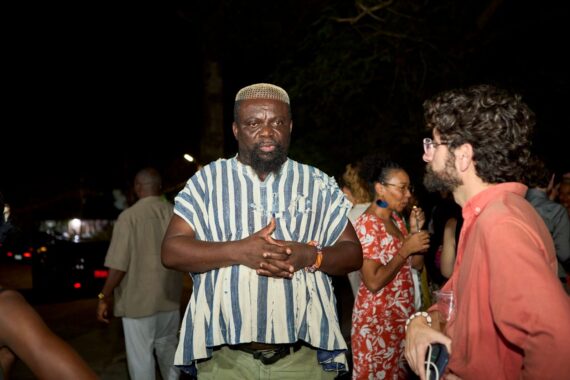
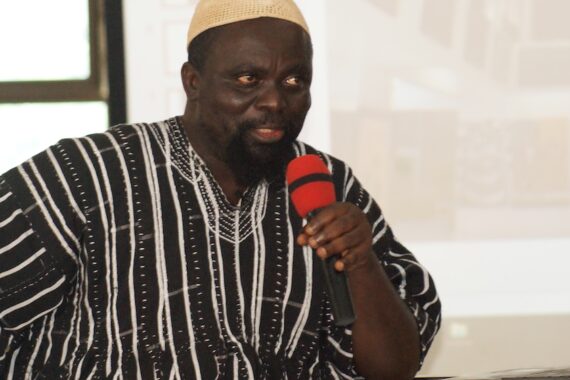
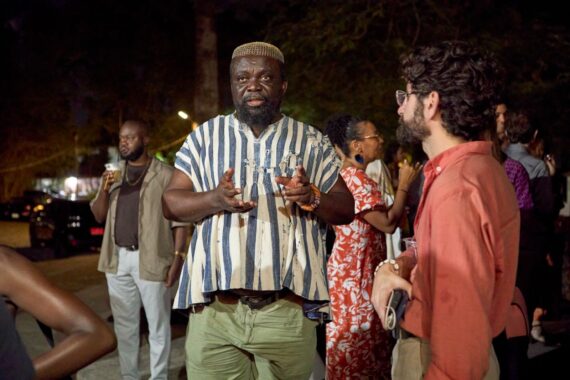
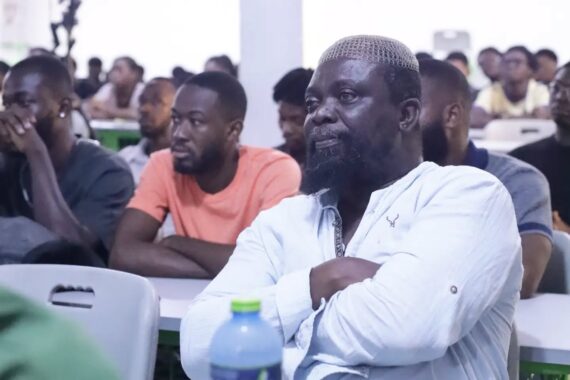
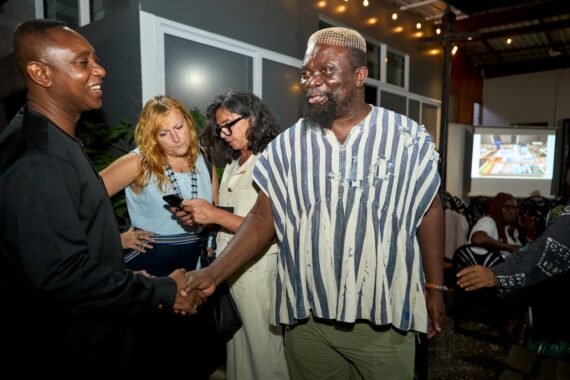
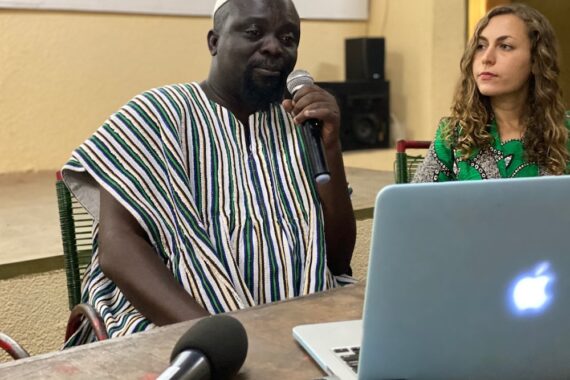
Professor karî’kachä seid’ou, Dean of the Faculty of Art at the Kwame Nkrumah University of Science and Technology (KNUST) in Kumasi, has been named the sole recipient of the 2026 Prince Claus Impact Award for more than two decades of pioneering work that has reshaped art education, artistic practice, and critical discourse in Ghana and beyond.
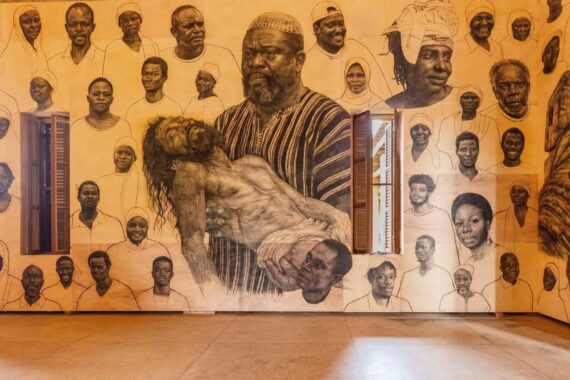
For decades, seid’ou has challenged the structures through which art is taught, knowledge is produced, and cultural authority is established. His practice has opened new collective approaches to learning, artistic production, research, and imagination, while questioning inherited assumptions about what constitutes art and who has the authority to define it.
Central to this transformation is his Emancipatory Art Teaching Project, an experimental pedagogical initiative that evolved into a series of collectively curated, multigenerational exhibitions. Rather than privileging a particular medium or a conventional artistic hierarchy, the project promoted a dynamic, democratic approach to art-making and knowledge production. In the process, it built an expanding network of collaborators and inspired a constellation of related projects and collectives across Ghana.
This pedagogical model has been particularly influential at KNUST, where it contributed to a fundamental rethinking of the fine-art curriculum in the Department of Painting and Sculpture at the BFA, MFA, and PhD levels. Generations of students and protégés have since emerged as some of the most important figures in Ghana’s contemporary and post-contemporary art movements, working as artists, curators, scholars, educators, and cultural practitioners.
seid’ou’s contribution has attracted international attention from leading art publications and global media, including African Arts, ArtReview, The New York Times, The Guardian, and the Financial Times. The Guardian has described his influence in particularly strong terms, calling him “one of the most significant proponents of art on the continent in the 20th century.”
His contribution, however, extends well beyond his own artistic and intellectual practice. By challenging colonial models of art education and nurturing generations of critically engaged practitioners, Seid’ou has helped shape Ghana’s contemporary art landscape and contributed to a broader decolonial discourse across West Africa and internationally.
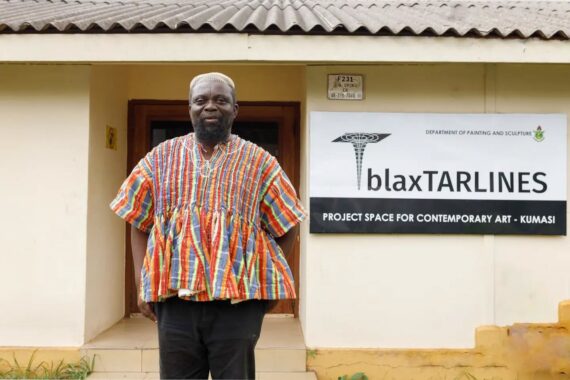
He has advised, collaborated with, and consulted for artists, collectives, curators, museums, art centers, academies, and alternative cultural spaces across Africa and worldwide. He also co-founded blaxTARLINES, an open-source, community-driven art collective grounded in his non-proprietary approach to artistic practice and emancipatory pedagogy.
The significance of both blaxTARLINES and the Emancipatory Art Teaching Project was underscored in 2021, when African Arts devoted a special issue—Volume 54, Issue 2—to their achievements. blaxTARLINES has also been repeatedly recognized by ArtReview, appearing on its influential Power 100 rankings in 2022, 2023, 2024, and 2025.
The 2022 ArtReview ranking described blaxTARLINES as “a template for independent art scenes around the world” and highlighted Seid’ou’s pivotal contribution to its development.
Perhaps most revealing of his intellectual position is his decision to live, study, and practice entirely from the African continent. As ArtReview noted, Seid’ou—reflecting with characteristic humor—considers himself “exiled from the North Atlantic.”
That stance encapsulates a career dedicated to challenging established centers of cultural authority and advancing alternative spaces where African artists, educators, and intellectuals can define their own questions, methodologies, histories, and futures.
For 30 years, the Prince Claus Fund has celebrated changemakers who challenge the status quo and create lasting change. To mark this beautiful anniversary and the 100th anniversary of Prince Claus’s birth, the Fund honors someone who has not only transformed what art can be but also how it is taught, shared, and imagined.


