

By John Owoo
(Rabat – Morocco)
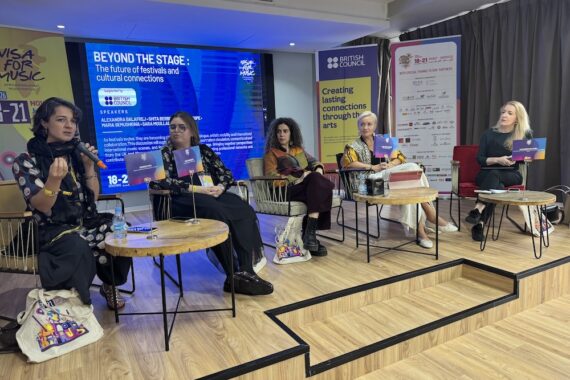
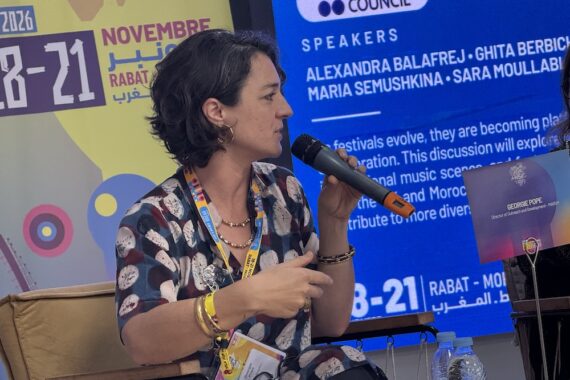
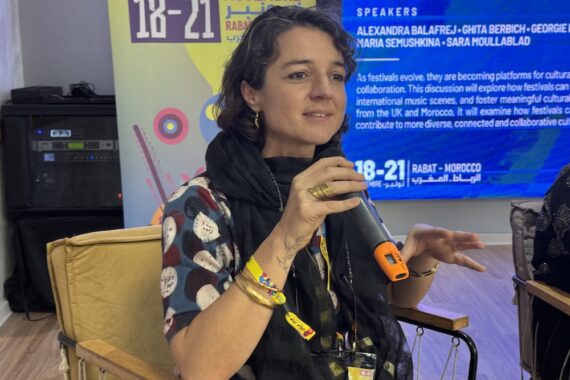
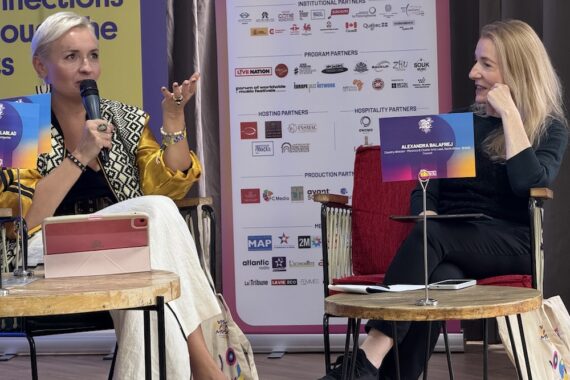
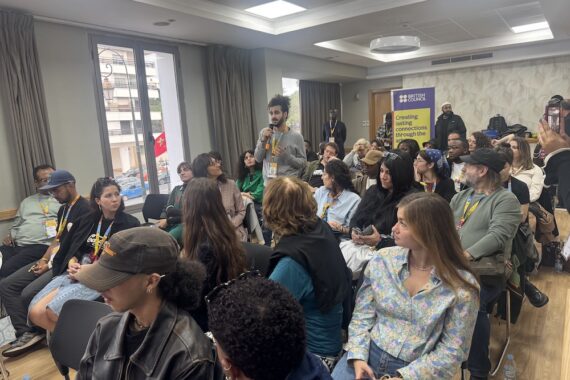
The evolving role of festivals as platforms for cultural dialogue, artistic mobility, and international collaboration came under scrutiny during a panel discussion titled “Beyond the Stage: The Future of Festivals and Cultural Connections”, held at the Onomo Terminus Hotel in Rabat as part of activities marking Visa for Music 2026.
The discussion brought together cultural practitioners and industry professionals from different backgrounds to examine how festivals can move beyond presenting artistic performances to fostering meaningful connections between artists, cultural institutions and international networks.
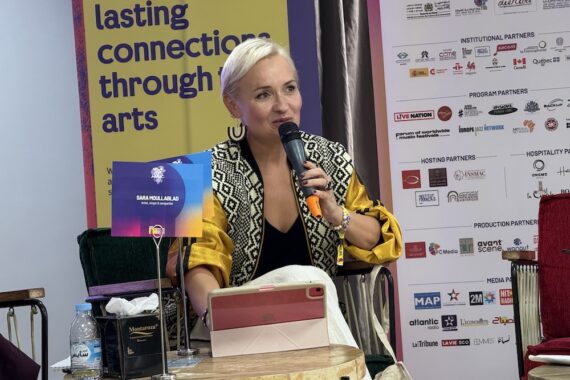
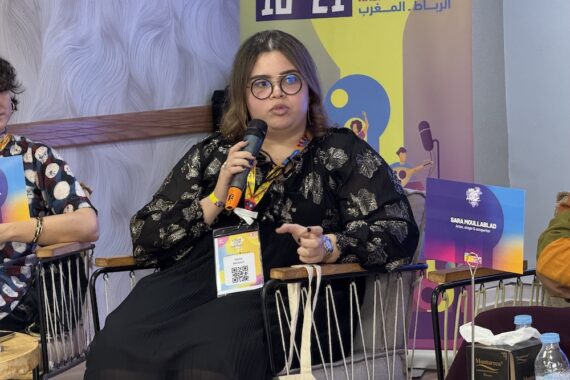
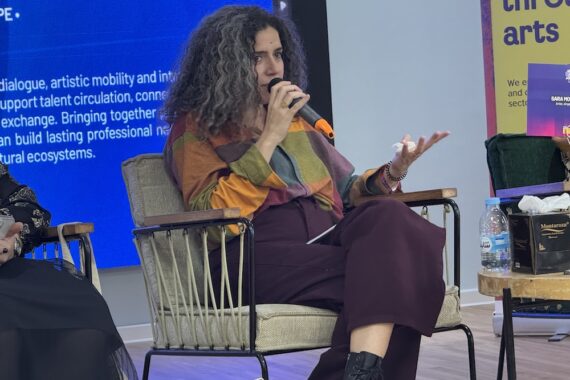
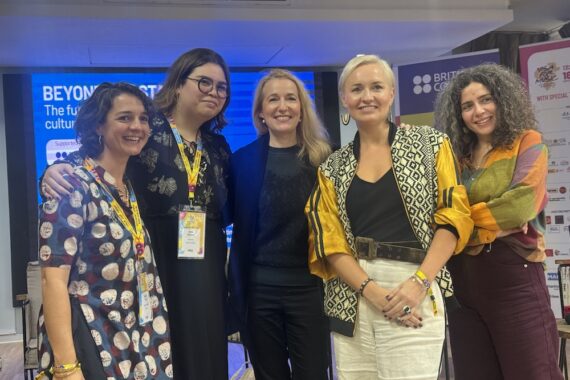
Moderated by Alexandra Balafrej, Country Director – Morocco and Cluster Arts Lead for North Africa at the British Council, the panel featured Georgie Pope, Director of Outreach and Development at MARSM, United Kingdom; Ghita Berbich, Project Manager at Maroc Cultures, Morocco; Sara Moullablad, Moroccan artist, singer and songwriter; and Maria Semushkina of Jazzylea, Russia.
The panelists explored the growing significance of festivals as spaces for cultural dialogue, professional networking and cross-border artistic exchange. They highlighted the importance of creating opportunities for artists to engage with different cultural environments, develop international partnerships and expand their professional horizons.
A central argument emerging from the conversation was that festivals should be understood as more than programs featuring a selection of performers. Rather, they can serve as bridges connecting local and international artists, cultural organizers, promoters, and other professionals within the creative industries.
The discussion also highlighted artistic mobility and the need to strengthen international cultural collaboration. Such partnerships, the panel suggested, can create opportunities for knowledge-sharing, encourage new creative possibilities, and establish lasting relationships between cultural communities.
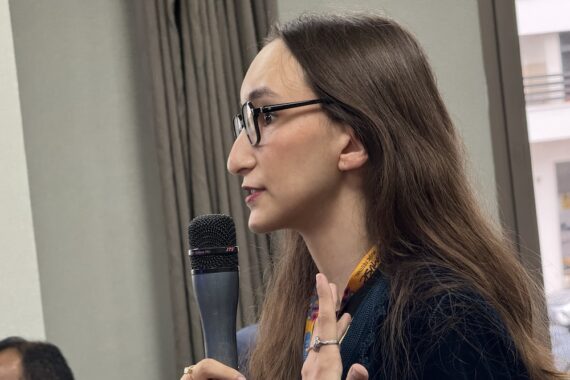
Accessibility was another key concern, with an emphasis on broadening access to festivals and ensuring participation is not limited to established artists or industry professionals. Improving opportunities for emerging talents and creating more inclusive platforms were among the considerations raised.
The panel also touched on the importance of feedback in strengthening festival structures and ensuring that the experiences and expectations of participating artists and audiences inform future editions.
Ultimately, the discussion reinforced the idea that the future of festivals lies not simply in the performances they present but in the relationships, opportunities, and cultural understanding they cultivate. As international artistic networks continue to evolve, festivals play an increasingly important role in connecting creative communities and shaping a more collaborative cultural landscape.
Titled “People, Ideas, Possibilities: Bringing music professionals to exchange ideas, build bridges, and shape the future of the music industry, the festival is organized under the aegis of the Atlas Azawan association and the Anya Culture foundation, with support from the Ministry of Youth, Culture and Sports, the Rabat-Salé-Kénitra Regional Council, the Hiba Foundation, and the Moroccan Copyright Office (BMDAV).


