

By John Owoo
(Accra – Ghana)
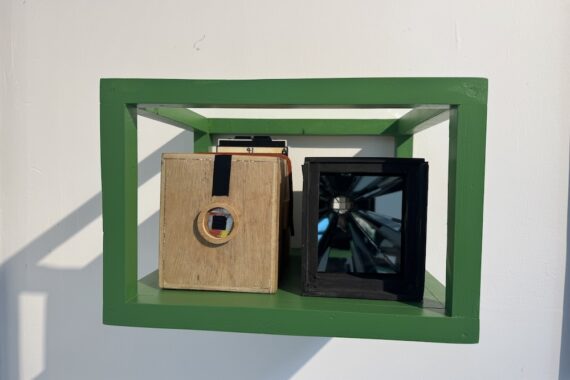
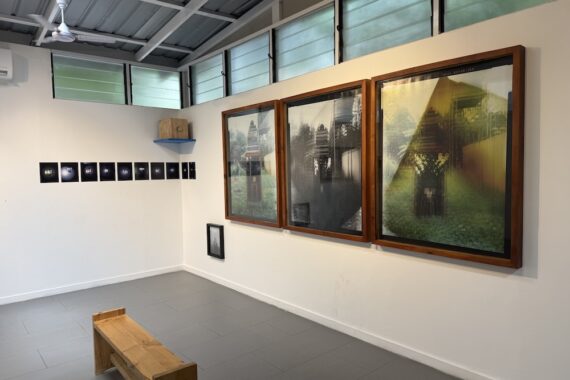
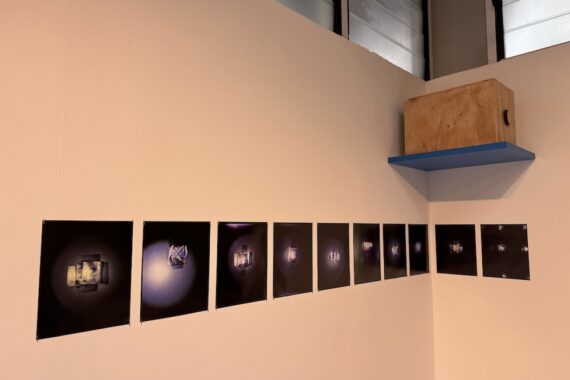
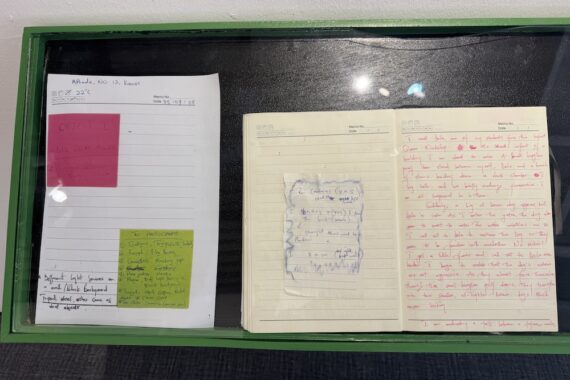
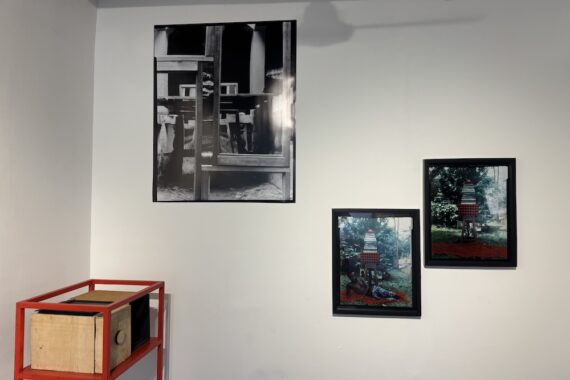
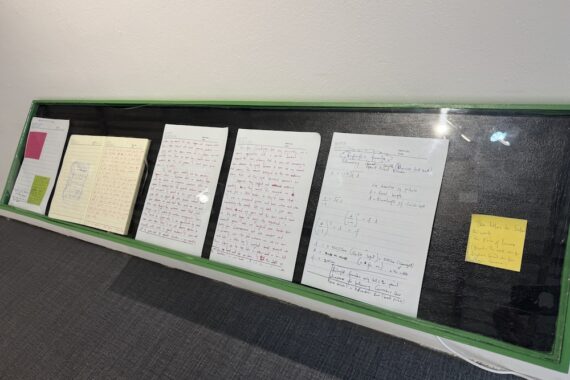
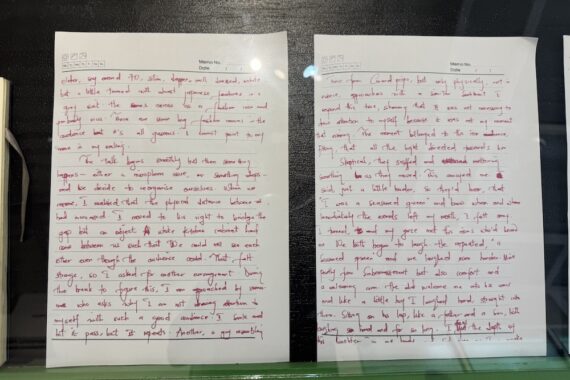
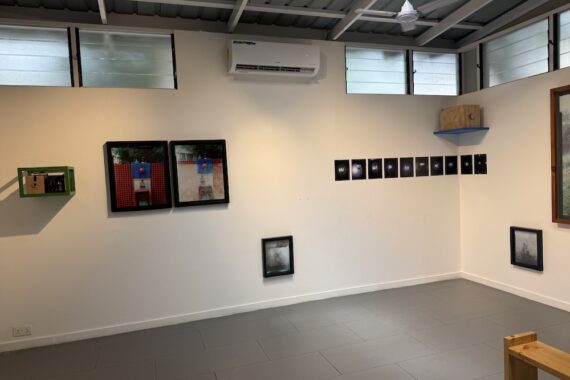
An exhibition of works by Ghanaian photographer Eric Gyamfi, featuring experimental large-format photographs, purpose-built and modified pinhole cameras used to produce them, process notes and annotations, and a library activation, is on view at the Foundation for Contemporary Art (FCA) in Accra.
At first glance, it appears to be an exhibition about photography. But as one spends time with the images, it becomes clear that the camera here is less a machine for documentation and more a device for listening. The show moves away from the certainty traditionally associated with photography and instead embraces fragmentation, abstraction, and the instability of perception.
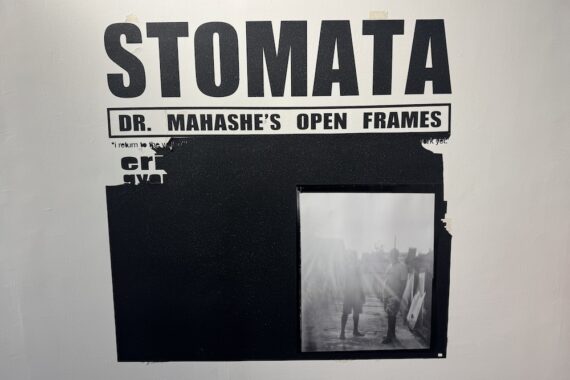
The exhibition’s title, “Stomata: Dr. Mahashe’s Open Frames,” is central to its philosophy. Gyamfi refuses closure. His photographs spill beyond their borders, suggesting that what is visible is only a fraction of a larger, more elusive reality.
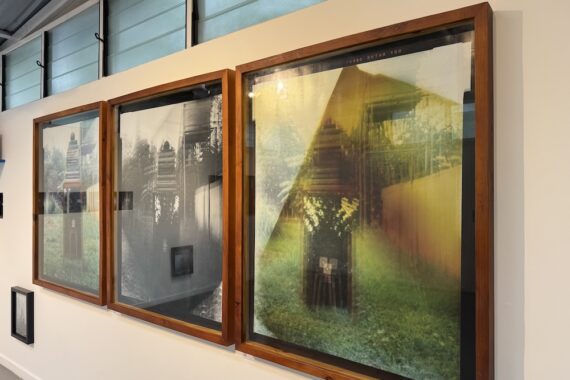
Mirrors, layered exposures, shadows, and interruptions destabilize the image surface, producing photographs that feel suspended between memory, dream, and material fact. In Mirrored Interior – 9, repeating lines and fragmented pathways seem to stretch endlessly, creating an architectural maze that disorients the viewer and draws them deeper into the work. Indeed, space itself becomes uncertain.
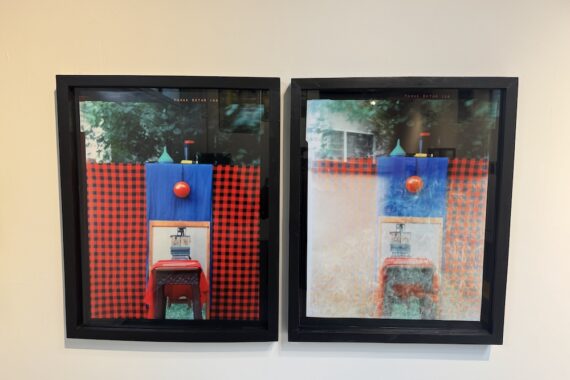
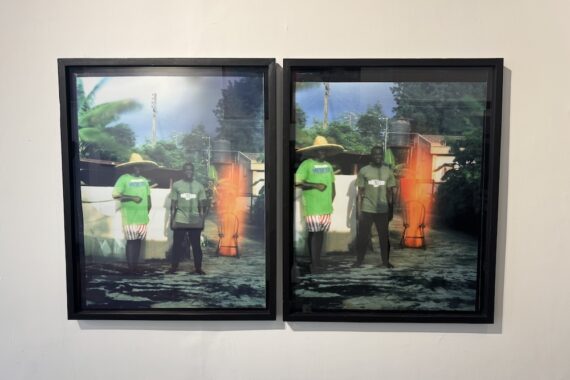
What makes the exhibition compelling is the artist’s willingness to surrender control to chance. In works such as Mirrored Interior – 4 A & B, strategically positioned mirrors in front of cameras fracture and multiply the image, creating ghostly repetitions of the subjects.
These figures appear both present and absent at once, as though dissolving into the mechanics of the camera itself. The resulting photographs resist quick interpretation; they demand patience and prolonged looking.
Elsewhere, Gyamfi experiments with layered exposures and heat-manipulated imagery. In Mirage Test – Image M7 I & II, repeated exposures create dense visual textures that resemble hallucinations or fading memories.
Meanwhile, Plants & Heat – Untitled 12 & 13 pushes color and contrast to heightened extremes, producing images that vibrate with near-psychedelic intensity. Yet even at their most experimental, the photographs retain an emotional intimacy.
The exhibition succeeds by treating photography not as a finished product but as a living process of discovery. Gyamfi’s practice embraces uncertainty, improvisation, and what the synopsis calls “deep listening.” Rather than offering polished certainties, the artist invites viewers into moments of searching, hesitation, and wonder.
In an era dominated by instant digital images and endless visual consumption, “Stomata: Dr. Mahashe’s Open Frames” feels refreshingly meditative. It invites audiences to slow down and reconsider how photographs are made, how they behave, and how they might carry traces of the unseen. The result is an exhibition rich in curiosity, experimentation, and poetic depth.
The works in this show are selections from a larger project commissioned for the 59th Carnegie International, which is concurrently on view at the Carnegie Museum of Art in Pittsburgh (USA). It includes behind-the-scenes footage, journal entries, and additional work that is not included in the Carnegie show.
It felt crucial to present the work here in the context of its production. This presentation at FCA-Ghana foregrounds the rigorous technical aspects of the project and balances them with its poetic attributes, making it fitting for the space that supports process-based contemporary art practices.
Curated with abbey it-a, it ends on Saturday, June 20, 2026.


