

By John Owoo
(Accra – Ghana)
Motherhood is often described in terms of love, tenderness and sacrifice, but the labor, vulnerability and knowledge that underpin these experiences can remain largely unseen.
In The Lore of Care: Maternal Acts of Devotion, Ghanaian artist Theresah Ankomah brings these dimensions into focus by examining care as both an intimate personal experience and a collective practice sustained across generations.
Presented at Gallery 1957 in Accra, the solo exhibition follows Ankomah’s eight-month residency at the gallery. Curated by Kezia Ouomoye Owusu-Ankomah, the show builds on the artist’s longstanding engagement with craft, material histories, and the politics of labor, drawing on her experience of pregnancy and motherhood to explore the significance of women’s work.
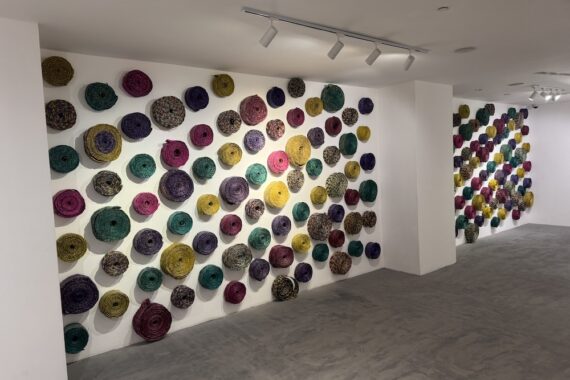
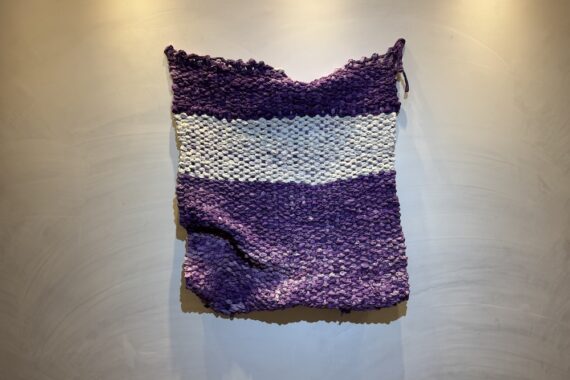
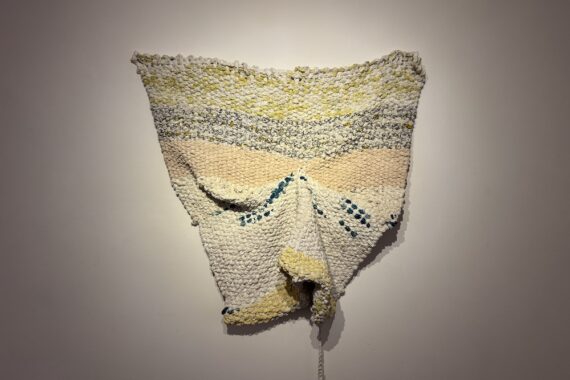
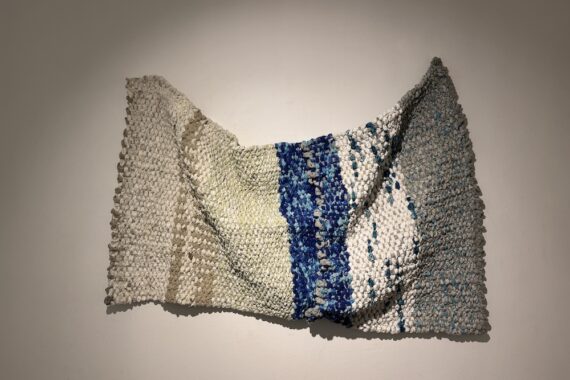
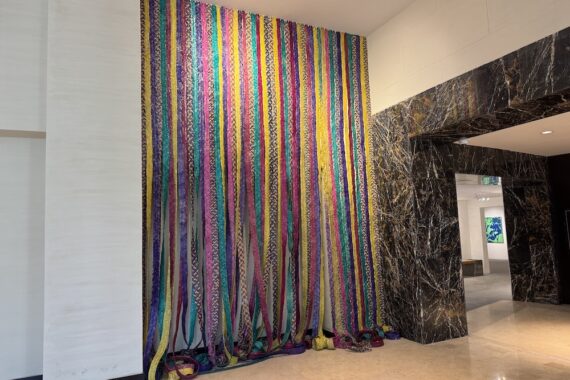
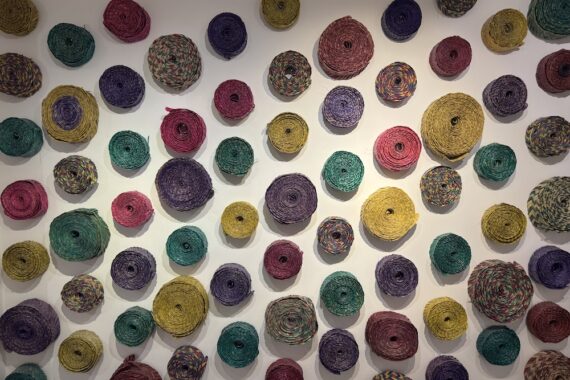
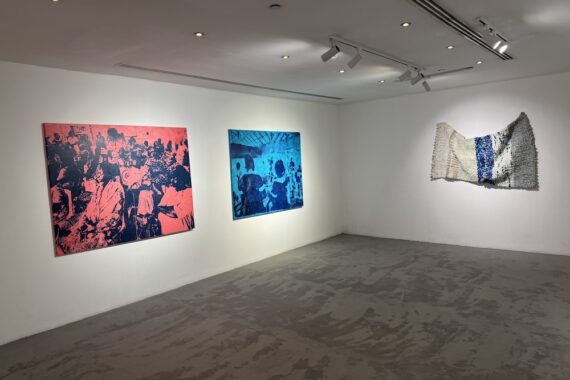
Ankomah, the 2025 Yaa Asantewaa Art Prize winner, works across disciplines, using locally sourced and repurposed materials to transform familiar objects into vessels of memory and experience. Bedsheets from Kantamanto, Accra’s vast second-hand market, take on particular significance. Bearing institutional stamps from hospitals, orphanages, and warehouses, the textiles reveal global networks of trade and circulation.
Through cutting, stitching, crocheting, and weaving, the artist gives these materials new forms without erasing their histories. In Looming Slumber, the transformation links the movement of textiles across continents to the intimacy of domestic life, drawing attention to the stories embedded in everyday objects.
The body itself becomes an important site of documentation. In The Sound of a Broken Womb, Ankomah presents a self-portrait torso that documents the physical transformations of pregnancy, including surgical incisions and postpartum marks. Cast in a resin-plaster composite and finished with a metallic bronze coating, the sculpture challenges the silence surrounding childbirth and its lasting physical consequences.
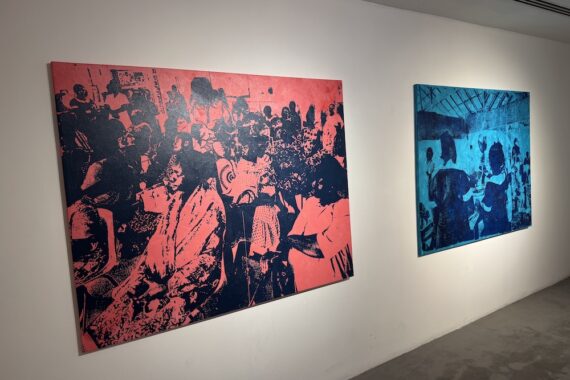
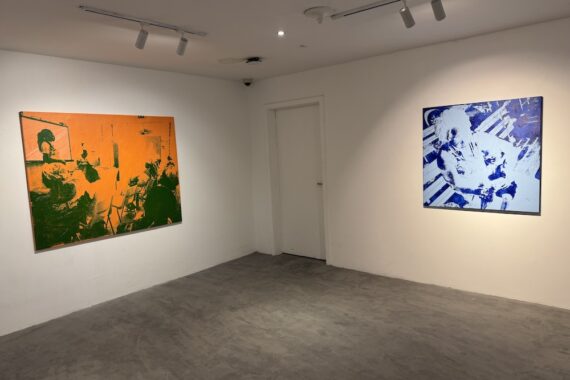
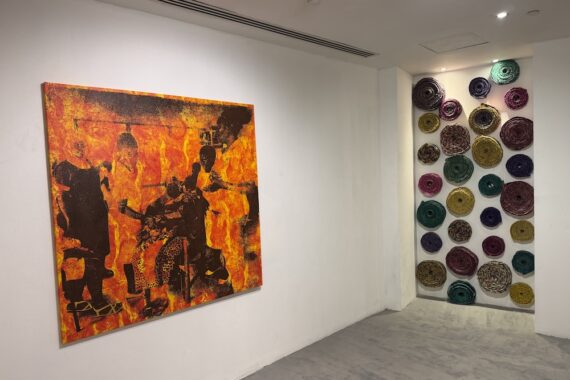
Elsewhere, screen prints such as Shared Knowledge portray women engaged in collective activities rather than as isolated figures. Their presence highlights labor that often goes unrecognized because it is woven into ordinary routines. Works such as A Village of Care and In Gentle Hands further explore the support, reassurance, and tenderness women extend to one another.
Ankomah also collaborates with women weavers in Dabala, Ghana’s Volta Region, foregrounding weaving as a living tradition through which skills and knowledge are passed between generations.
Ultimately, The Lore of Care: Maternal Acts of Devotion challenges audiences to reconsider care beyond its sentimental associations. Through textiles, sculpture, printmaking, and collaboration, Ankomah reveals care as demanding, embodied labor that sustains individuals and communities.
Indeed, the exhibition’s strength lies in making this often-overlooked work visible, affirming that devotion is expressed not only through affection but also through time, patience, and the repeated gestures that hold lives together.


