

By John Owoo
(Accra – Ghana)
At Annobil Contemporary Gallery in Accra, German artist, anthropologist, and historian Dr. Ilsmargaret Luttman transforms an everyday act of African self-fashioning into a compelling meditation on identity, history, and resistance.
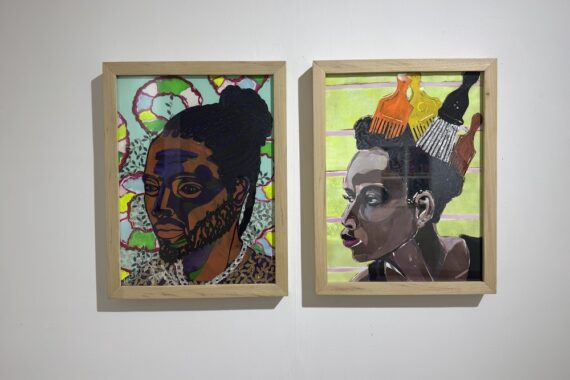
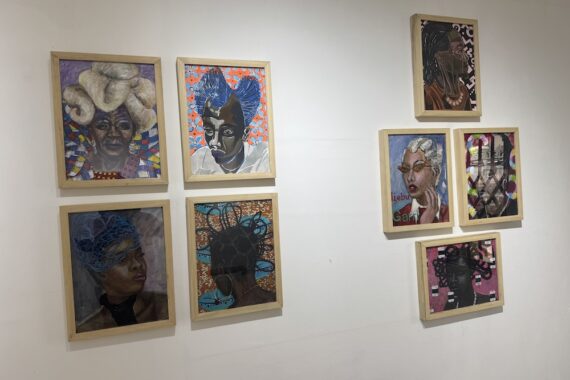
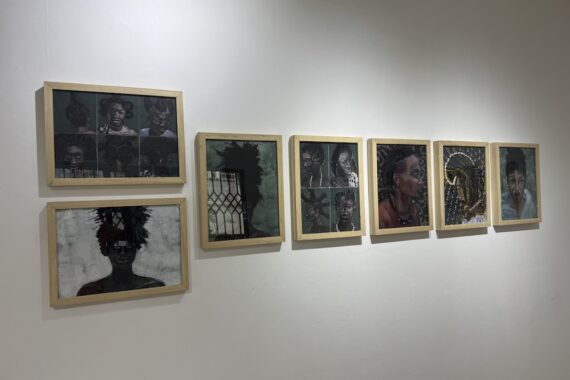
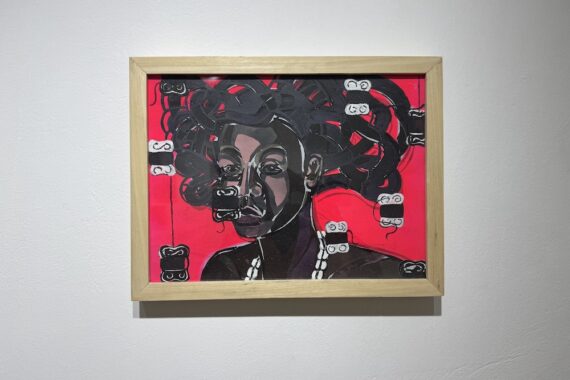
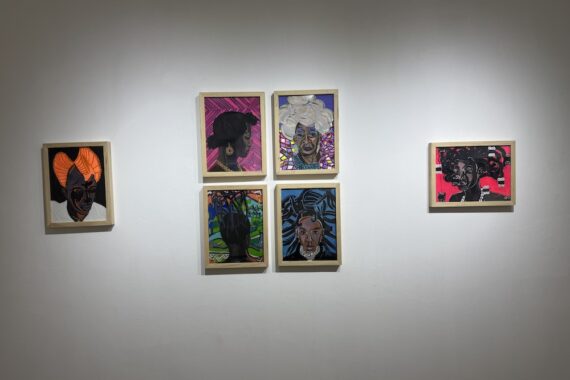
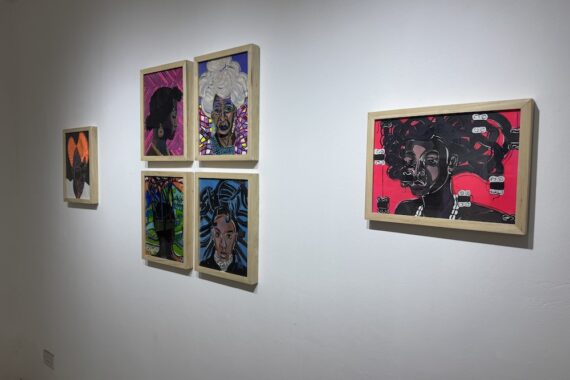
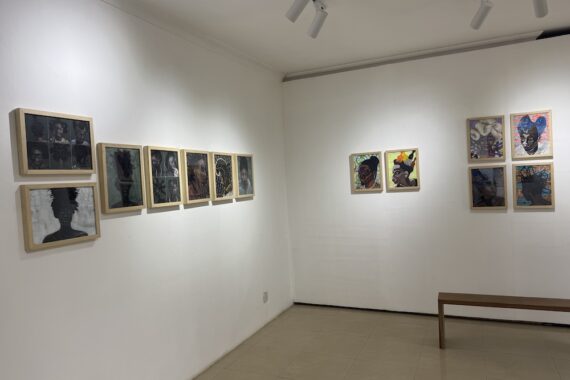
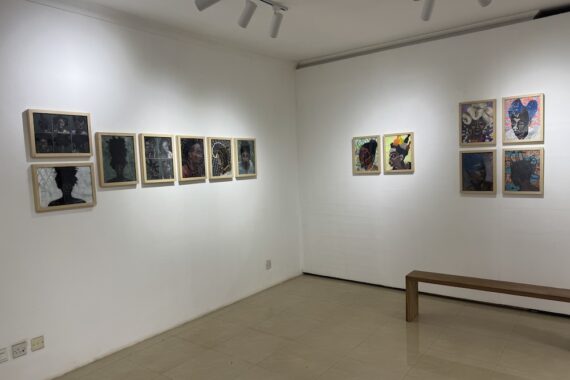
Titled Hairstyle Politics and curated by Ishmael Annobil, it is an intellectually ambitious and visually engaging exhibition that challenges the assumptions through which Africa and its cultures have long been viewed through the Western gaze.
At the heart of the exhibition is African hair—not merely an element of beauty or personal adornment, but a sophisticated cultural language. Drawing on Luttman’s lifelong research into African societies, the exhibition shows how hairstyles have historically conveyed identity, gender, beauty, social status, and individuality.
Indeed, hair emerges as both a personal statement and a public text, carrying meanings that shift across generations, communities, and social circumstances. Her achievement lies in her ability to move beyond the familiar representation of African culture as a static tradition.
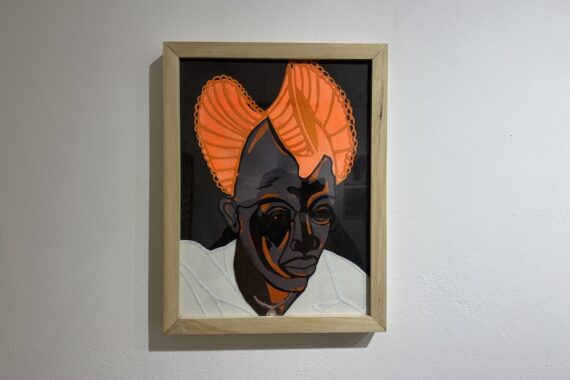
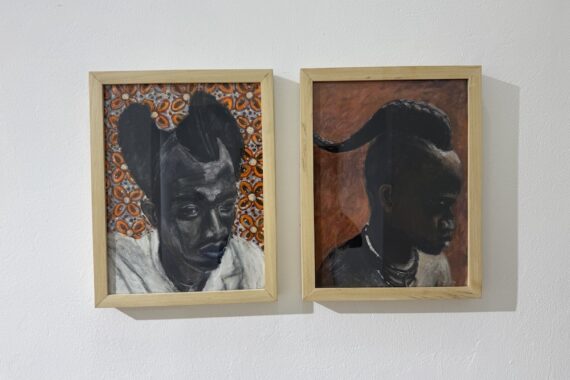
Instead, Hairstyle Politics presents African hairstyling as inventive, dynamic, and deeply political. Braids, sculpted forms, adornments, and elaborate arrangements become vehicles for metaphor, symbolism, satire, and self-expression. They also reveal a history of resistance, showing how individuals and communities have used appearance to negotiate social and political space.
The exhibition is particularly compelling because of the artist’s personal connection to Africa. Luttman’s engagement with the continent extends beyond her academic credentials in African art.
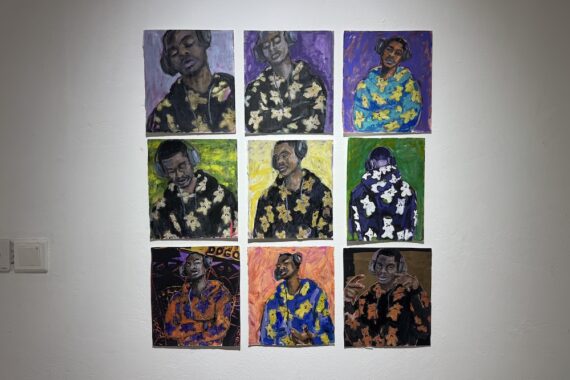
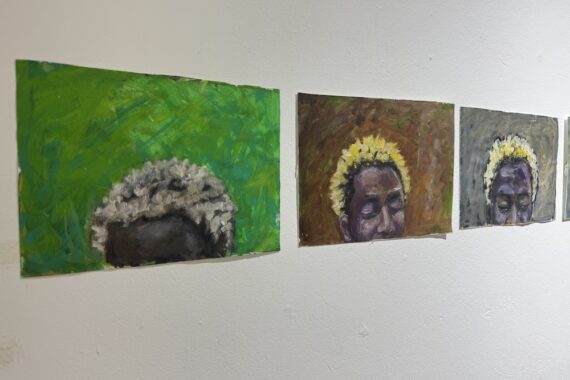
A defining feature of her practice is the distinctive technique she uses to construct and transform her images. Beginning with painting, she gradually introduces stencil printing and paper cutting, allowing each process to intervene in and reshape the previous one.
The resulting works occupy an intriguing space between painting, printmaking, and collage, where layers, cutouts, and graphic impressions create both texture and visual tension. Rather than treating these techniques as separate processes, she has fused them into a highly personal vocabulary that reflects an experimental, instinctive approach to image-making. This synthesis of materials and methods gives her work its unmistakable character, setting her practice apart within contemporary art.
She describes it as an ongoing process of learning, rooted in part in her relationship with a Ghanaian man who became her “first great love” and forged a lasting personal connection with the continent. That admission lends the exhibition an intimate dimension, positioning her not as an outsider claiming authority but as an artist whose practice has developed through sustained observation, participation, and encounter.
Installed in the tranquil Jill Silverman Room at Annobil Contemporary, the works draw on anecdotes from Luttman’s extensive journeys and research throughout West and Central Africa, including Ghana, Cameroon, Mali, Côte d’Ivoire, and Nigeria. Her broader practice encompasses clothing, street fashion, couture, and adornment, with the artist serving as wearer, collector, commissioner, and borrower.
This participatory approach gives Hairstyle Politics its vitality. Luttman does not merely document African aesthetics; she engages in dialogue with them. The result is an exhibition in which hair becomes history, fashion becomes cultural memory, and personal appearance becomes a powerful language of identity and agency.
The exhibition ends Saturday, September 26, 2026.


