






By John Owoo
(Berlin – Germany)
The five-day Berlin Art Week – a citywide festival of fairs, exhibitions, and performances, which ended on Sunday, September 14 — attracted over 140,000 visitors from diverse countries, thereby shifting the emphasis from culture to economics and commerce.
Although detailed sales figures remain largely unavailable, the scale of attendance underscores the event’s significant reach. The week featured over 100 exhibition openings and more than 300 events, drawing visitors from within Germany and abroad.
Participants and observers see the Art Week as a significant economic driver of the contemporary art market in Germany. It offers a marketplace for sales, gallery exposure, collector connections, and international visibility. These, in turn, generate long-term economic benefits: sales, commissions, and reputational expansions.
Beyond direct art‐market revenues, the festival week boosts the broader local economy – hotels, restaurants, cafes, transportation, retail, and tourism. Indeed, Berlin gains not just from spending by visitors to fairs and exhibitions, but also from longer stays, cultural tourism, and international interest.
Artsworks on display revealed some of the most experimental, cross-disciplinary work in over twenty-five project spaces, and special initiatives that featured unusual formats, community-run or nomadic studios, and curatorial experiments. “Gallery Night” and “Featured Night” extended openings across the city, enabling audiences to follow paths through urban streets filled with art.
Undeniably, Open Houses, Discovering Collections, and group shows addressed urgent social themes — home, belonging, migration, place, and resistance — giving the festival not just aesthetic scope but also political and social significance through issues that resonate in Europe and all parts of the globe.
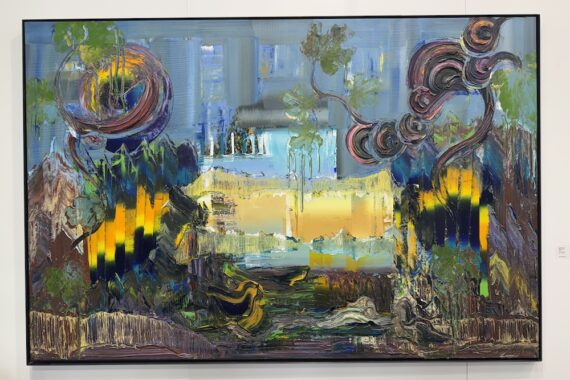
Berlin Art Week 2025 showcased a mix of established names and emerging voices. Focal points include Petrit Halilaj at Hamburger Bahnhof; Cornelia Parker, Erik Schmidt, Phoebe Collings-James, and Cihad Caner at Kindl; Issy Wood at Schinkel Pavillon; Jordan Strafer at Fluentum; and Jiyoung Yoon at daadgalerie.
Despite its success, Berlin Art Week faces challenges. Funding cuts in cultural budgets, especially support for independent and project spaces, threaten the infrastructure that enables much of its innovative programming. Ensuring affordability for artists, galleries, and audiences, maintaining venues, and preserving diversity of voices are ongoing concerns in the face of rising costs.
Nevertheless, it reaffirmed the city’s status as a centre for contemporary art that both shapes and reflects global cultural currents. Its scale, diversity of formats, and mix of commercially successful and socially engaged art made it more than a festival — it was an ecosystem in action. As the art world watches, Berlin continues to offer a model for how art, commerce, and public life can intersect in a powerful and inspiring way.
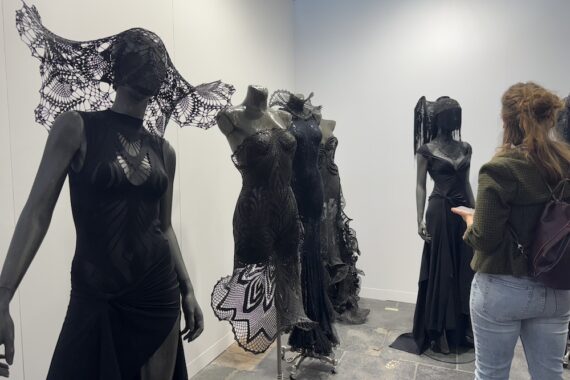
All photos are from the Berlin Art Fair – Tempelhof


