


By John Owoo
(Accra – Ghana)
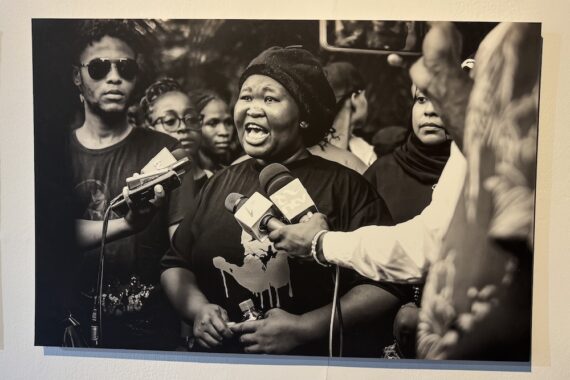
Abafa(ba)zi (Those Who Die Knowing) is an ambitious, continent-wide exhibition of photos and videos that highlights African women’s lived experiences as sources of knowledge, resistance, and feminist practice. Instead of viewing feminism as a fixed ideology, the exhibition portrays it as something embodied—embedded in everyday life, language, spirituality, and community memory.
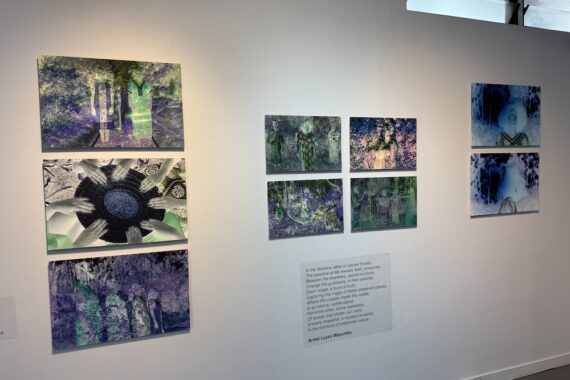
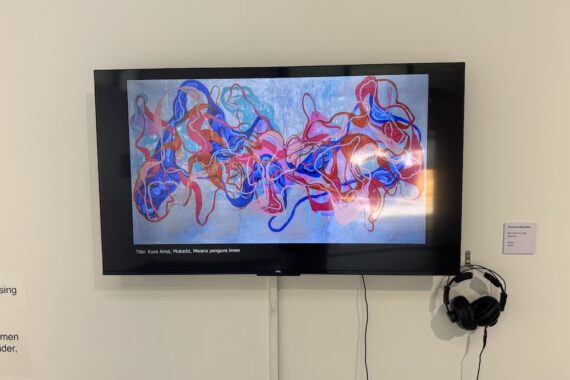
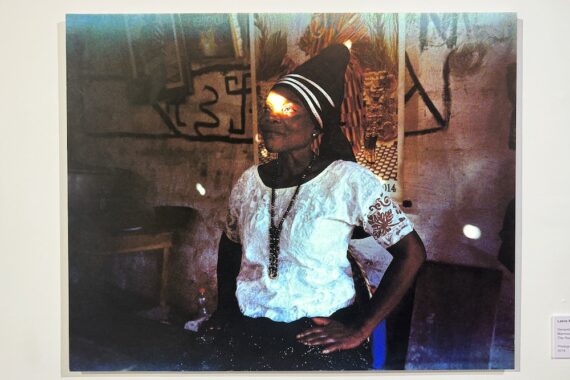
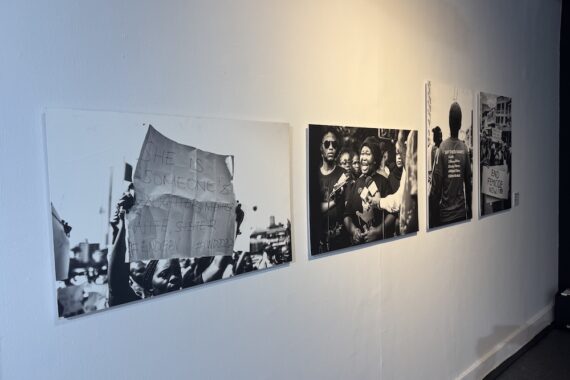
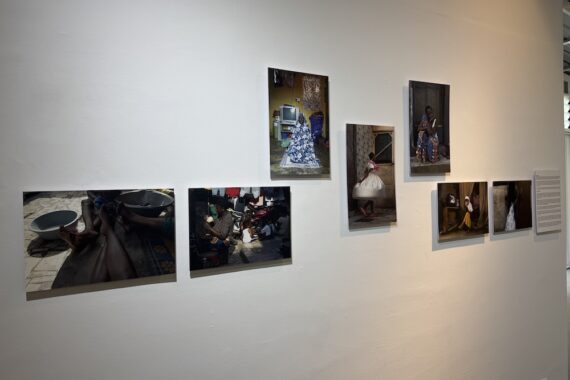
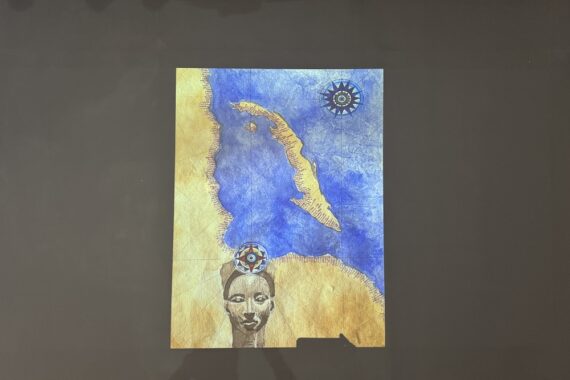
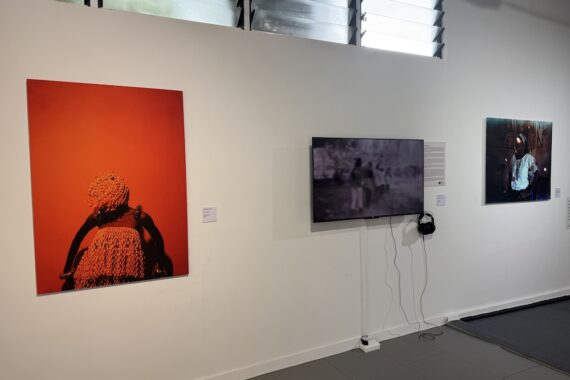
Currently on display at the Foundation for Contemporary Art in Accra, it highlights African women as active agents shaping their own stories across generations. The artworks on view reveal how women navigate family roles, social expectations, and spiritual duties while asserting independence and self-definition. Through photography, mapping, vessels, and spatial design, the exhibition provides intimate insights into stories often unnamed but fundamental to African societies.
One of the exhibition’s key features is its commitment to linguistic inclusivity. As Abafa(ba)zi travels across the continent over five years, its title will be translated into the languages of each host country. This evolving linguistic archive reflects the exhibition’s core message: that African women’s stories are not limited by national borders but connected through shared struggles for dignity, freedom, and recognition.
Featuring Fibi Afloe, Amanda Mushate, Piloya Irene, Wilfred Mbida, Laeila Adjovi, Lafalaise Dion, Margaret Ngigi, Kayise Khumalo, Hadiya Mwashe, Mandisa Ngwane, and Zetina Mosia, the curatorial framework is shaped by a series of reflective questions posed to participating artists, including moments of awakening—when they first recognized womanhood as a bridge between the known and unknown.
Curated by Thina Miya with help from Puleng Mongale, these prompts echo throughout the exhibition, with artists responding through newly commissioned works and carefully chosen existing pieces. Together, they create a layered conversation that honors unnamed women whose labor, wisdom, and care sustain culture.
Spatially, the exhibition uses a familiar home-like layout, guiding visitors through rooms and ending in a kitchen—an important symbol of nourishment, storytelling, and gathering in many African households. Drinking vessels appear repeatedly, symbolizing the act of pouring, sharing, and receiving knowledge. They serve both practical purposes and as metaphors for healing, transmission, and continuity.
Migration and memory are central themes in the exhibition’s opening section, where photographs and maps depict movements across time and space. These works highlight how migration influences personal and collective histories, drawing connections between sustenance through food and survival through storytelling.
Ultimately, Abafa(ba)zi goes beyond individual expression to explore communal values and shared identity. By embracing diverse cultural expressions while affirming collective belonging, the exhibition provides a powerful reflection on how home, culture, and community continue to shape African feminist thought—quietly, persistently, and across generations.
Organized by Goethe-Institut Ghana in collaboration with the Foundation for Contemporary Art Ghana and African Feminisms, the exhibition concludes on Thursday, February 5, 2026.


zi – A subtle architecture of African feminism)